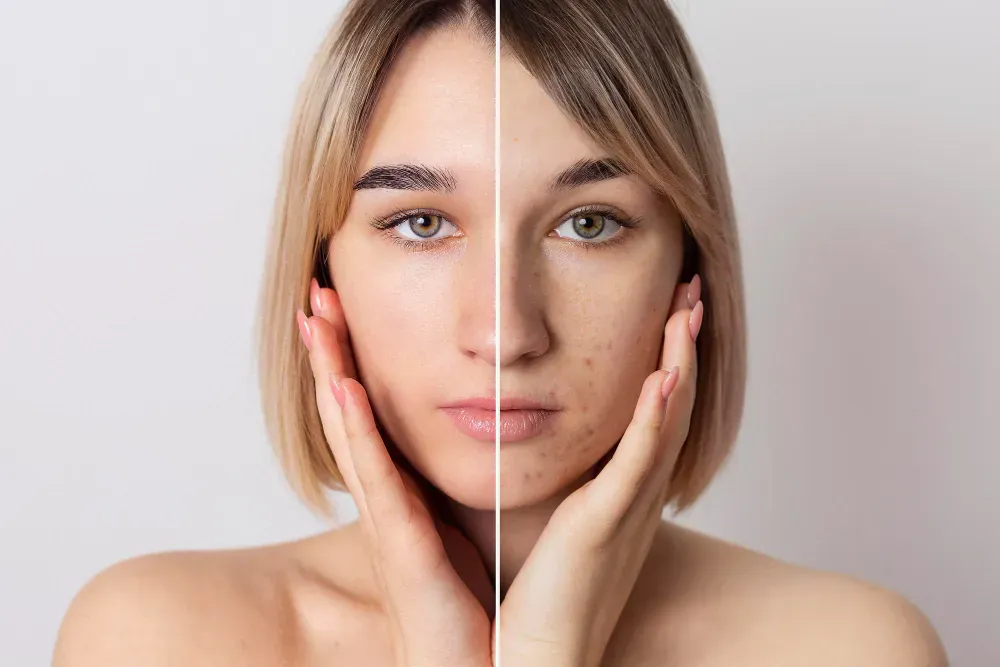
Tixel® Skin Resurfacing in London
GMC-registered doctors | Thermo-mechanical skin renewal | Treats wrinkles, scars, melasma and periorbital ageing at 33 Cavendish Square
Duration
15-30m15-30 mins
Sessions
1-3 (course recommended)1-3 (course recommended)
Price From
£100£100
Downtime
0-3 days0-3 days (setting dependent)
Key Benefits
- Thermo-mechanical ablation (TMA) — not a laser, not RF, not needles — offering a unique mechanism with less downtime than CO2 laser resurfacing.
- Safe for the periorbital area including eyelids — a treatment zone most laser and RF devices cannot access.
- Performed exclusively by four GMC-registered doctors with device-specific training at 33 Cavendish Square.
- Safe for all Fitzpatrick skin types I–V, with no chromophore-dependent risks.
- Minimal downtime — 0–3 days depending on treatment settings, with same-day makeup possible at lower settings.
- Excellent drug delivery platform — microchannels enhance absorption of exosomes, PRP, and topical serums.
- Clinically validated safety: 150-patient study found no permanent side effects across 327 sessions.
Common Target Areas
Tixel® Skin Resurfacing in London — Thermo-Mechanical Renewal Without Laser
Tixel london treatments at PRP London Clinic use the Tixel by Novoxel — a thermo-mechanical ablation (TMA) device that resurfaces skin without laser energy, without radiofrequency and without needles. Delivered exclusively by GMC-registered doctors at 33 Cavendish Square, London W1G, Tixel treatment offers fractional skin resurfacing results comparable to CO2 laser with significantly less downtime, less discomfort, and a lower risk profile across all Fitzpatrick skin types.
If you have searched for tixel laser, it is important to understand that Tixel is not a laser. It uses direct thermal contact from a heated titanium tip to create controlled micro-injuries in the skin — a fundamentally different mechanism that avoids the charring and chromophore-dependent risks associated with light-based devices. This distinction is what makes Tixel uniquely safe for treating the delicate periorbital area, including the eyelids, where most laser and RF devices cannot operate.
Tixel skin resurfacing is an effective standalone treatment for photoageing, fine lines, acne scars, melasma, and skin texture irregularities. It also excels as a drug delivery platform: the microchannels created by the device dramatically enhance the absorption of topical serums, making it an ideal partner for exosome therapy and PRP facial rejuvenation. For patients seeking deeper tissue remodelling or skin tightening, our clinic also offers RF microneedling and medical microneedling as complementary or alternative options.
This procedure is part of our comprehensive Guide to Enlarged Pores & Uneven Skin Texture.
Your Tixel Doctors
Every Tixel treatment london session at PRP London Clinic is performed by one of our four GMC-registered doctors operating from 33 Cavendish Square, London W1G 0PW: Dr Bruno Amendola (GMC: 4346629), a Save Face accredited practitioner with an international postgraduate degree in Aesthetic Medicine and over 25 years of clinical experience; Dr Mohamed Nafei (GMC: 7520509), holding postgraduate diplomas in both Aesthetic Medicine and Endocrinology with over 10 years of international training; Dr Reem Nouri (GMC: 6149512), with a DRCOG and advanced aesthetic medicine credentials across nearly 20 years of medical practice; and Dr Mohammad Akbar (GMC: 5206673), FRCS Edinburgh, Medical Director, who provides clinical governance and oversight across all Tixel procedures — every treatment at this clinic is delivered by a qualified medical doctor, never a nurse, technician, or non-medical practitioner.
Tixel Before and After Results
Real patient results from Tixel skin resurfacing treatments performed by our Clinical Board at PRP London Clinic. All photographs are taken under standardised clinical conditions with informed patient consent.
How Tixel Works — Thermo-Mechanical Ablation Explained
The TMA Mechanism
What is Tixel and how does it differ from a laser? The Tixel device by Novoxel uses thermo-mechanical ablation (TMA) — a patented technology in which a metallic tip heated to approximately 400°C and covered with 81 titanium pyramids is brought into brief, controlled contact with the skin surface. Each contact lasts only milliseconds, creating a precise grid of micro-injuries through direct thermal energy transfer rather than light energy. A comprehensive review by Estupiñan et al. (2024) confirmed that Tixel creates microchannels in the skin comparable to those produced by fractional CO2 laser, but without the charring, chromophore dependence, or prolonged healing associated with light-based ablation.
Ablative and Non-Ablative Modes
Tixel operates in two distinct modes depending on the duration of skin contact:
- Ablative mode (longer contact): Creates micro-craters in the epidermis that trigger a robust wound-healing cascade, stimulating collagen and elastin remodelling. This mode is used for treating wrinkles, photoageing, acne scarring, and significant textural concerns.
- Non-ablative mode (shorter contact): Creates microchannels without removing tissue, primarily used for transdermal drug delivery. This mode dramatically enhances the penetration of topical serums, growth factors, exosomes, and PRP into the deeper skin layers — making Tixel one of the most effective drug delivery platforms available.
Why TMA Matters Clinically
Because Tixel uses direct thermal contact rather than light energy, it offers several distinct clinical advantages:
- No charring: Unlike CO2 fractional laser, TMA does not carbonise tissue, resulting in cleaner wound edges and faster healing.
- Chromophore-independent: Laser devices target specific chromophores (melanin, haemoglobin, water), which limits their safety in darker skin types. Tixel's thermal contact mechanism is independent of skin pigmentation, making it safe across Fitzpatrick skin types I–V.
- Periorbital safety: Tixel can safely treat the eyelids and the skin immediately around the eyes — an area most laser and RF microneedling devices cannot access due to risks of thermal damage to the globe. This makes Tixel eye treatment and Tixel eyelids rejuvenation a unique clinical application.
- Minimal downtime: Preclinical studies referenced in the Estupiñan (2024) review demonstrated that TMA microchannels heal faster than equivalent laser-created channels, with patients able to apply makeup from the same day at lower settings or within 2–3 days at higher settings.
Conditions Treated with Tixel
- Photoageing and wrinkles: Fine lines, sun damage, and age-related skin textural changes respond well to ablative TMA, with collagen remodelling continuing for 4–8 weeks after treatment.
- Acne scarring: Ablative Tixel sessions remodel scar tissue by stimulating new collagen formation in the dermal layer, improving the appearance of atrophic, rolling, and boxcar scars.
- Periorbital rejuvenation: Tixel before and after eyes results demonstrate visible improvement in crow's feet, under-eye crepiness, and upper eyelid laxity — a treatment zone that sets Tixel apart from most competing devices.
- Melasma and pigmentation: TMA can address irregular pigmentation without the melanin-targeting risks associated with laser devices, making it a safer option for patients with melasma or post-inflammatory hyperpigmentation.
- Rosacea: The controlled thermal energy can improve rosacea-related textural changes and skin irregularities.
- Stretch marks: Ablative TMA remodels the disrupted collagen architecture within striae.
- Drug delivery enhancement: Non-ablative Tixel creates microchannels that increase topical product absorption by up to 100-fold, making it the ideal platform for combining with exosomes, PRP, or hyaluronic acid serums.
The Tixel Treatment Process
Comfort and Anaesthesia
One of the advantages of Tixel facial treatment is that most patients tolerate it well without anaesthesia. The ultra-brief contact time (milliseconds per pulse) means the sensation is a brief, warm prickling rather than sustained heat or sharp pain. For patients who prefer additional comfort, or when treating at higher ablative settings, a topical numbing cream can be applied 20–30 minutes beforehand — but the majority of patients report that it is significantly less uncomfortable than laser resurfacing or RF microneedling.
Treatment Delivery
After thorough cleansing and preparation of the treatment area, your doctor applies the Tixel handpiece in a controlled stamping motion across the skin. Each stamp delivers the heated titanium tip to the skin surface for a precisely calibrated duration (adjustable in millisecond increments), creating a uniform grid of micro-injuries. The device settings — contact time, temperature, and number of passes — are tailored to each treatment zone and the patient's specific concern.
Session Duration
A full-face Tixel skin treatment session typically takes 15–30 minutes, making it one of the fastest skin resurfacing procedures available. When combined with serum or exosome infusion through the newly created microchannels, the total appointment time extends to approximately 30–45 minutes.
Combination Treatments
Tixel's ability to create microchannels for enhanced drug delivery makes it an outstanding combination treatment. Immediately after the TMA procedure, your doctor can apply exosomes, PRP (platelet-rich plasma), hyaluronic acid serums, or growth factor solutions directly to the treated skin. The microchannels allow these active ingredients to penetrate far deeper than topical application alone, amplifying the regenerative and rejuvenating effects of both the Tixel treatment and the applied product.
Your Tixel Treatment Journey
Here is what to expect when you book a Tixel treatment london appointment at PRP London Clinic, from first enquiry through to your maintenance programme.
Book Your Consultation
Contact PRP London Clinic to schedule your initial consultation. You can book online, by phone, or via our booking system. Evening and weekend appointments are available at 33 Cavendish Square.
Skin Assessment and Treatment Planning
Your GMC-registered doctor conducts a thorough assessment of your skin type, texture, pigmentation, scarring, and overall goals. Photographs are taken for clinical documentation. Your medical history, current skincare routine, and any previous treatments are reviewed. The doctor determines whether Tixel is the optimal device for your concerns and discusses treatment settings, expected results, and pricing.
Cleansing and Preparation
On treatment day, the skin is thoroughly cleansed and degreased. If topical numbing is required (usually only at higher settings), it is applied 20–30 minutes before the procedure. The treatment area is prepped according to clinical protocol.
Tixel Treatment
Your doctor applies the Tixel device in a controlled stamping motion across the treatment area. Contact time, temperature, and number of passes are calibrated to your specific concern and skin type. The session takes 15–30 minutes for a full face.
Serum or Exosome Infusion (If Combined)
If your treatment plan includes a combination protocol, your doctor applies exosomes, PRP, hyaluronic acid, or growth factor serum immediately after the Tixel session. The freshly created microchannels allow enhanced absorption of these active ingredients into the deeper skin layers.
Aftercare Guidance
Post-treatment photographs are taken. Your doctor provides detailed aftercare instructions covering sun protection, skincare product restrictions, expected recovery timeline, and when to resume active skincare ingredients. A soothing post-procedure product and SPF are applied.
Review and Course Planning
A follow-up appointment is scheduled to assess your response to treatment and review progress photographs. Your doctor recommends a personalised course plan — typically 1–3 sessions spaced 4–6 weeks apart — and a maintenance schedule to sustain results long term.
Tixel for Patients with Previous Treatment Complications
If you have experienced post-inflammatory hyperpigmentation, prolonged redness, or unsatisfactory results from laser resurfacing, chemical peels, or other energy-based devices at another clinic, our doctors can assess your skin and recommend Tixel as a gentler alternative. Because Tixel uses thermo-mechanical ablation rather than light energy, it avoids the chromophore-dependent risks that contribute to hyperpigmentation in laser-treated patients — particularly those with Fitzpatrick skin types III–V. We can design a careful, staged treatment plan to improve your skin while minimising the risk of further complications.
Tixel vs Other Skin Resurfacing Treatments
Understanding how Tixel skin resurfacing compares to other rejuvenation options helps you make an informed treatment decision. This comparison addresses common searches including Tixel vs Morpheus8 and Tixel vs microneedling.
| Factor | Tixel (TMA) | CO2 Fractional Laser | Morpheus8 (RF Microneedling) | Standard Microneedling | Chemical Peels |
|---|---|---|---|---|---|
| Mechanism | Thermo-mechanical ablation (direct thermal contact) | Ablative light energy (10,600 nm CO2) | Bipolar RF via deep microneedles | Mechanical micro-injury only | Chemical exfoliation |
| Laser or light-based? | No — contact heat only | Yes — CO2 laser | No — radiofrequency | No — mechanical | No — chemical |
| Periorbital/eyelid safe? | Yes — key advantage | Requires eye shields, limited | Caution — limited periorbital use | Not recommended for eyelids | Superficial only near eyes |
| Drug delivery | Excellent (microchannel formation) | Limited | Moderate | Good | None |
| Downtime | 0–3 days (setting dependent) | 7–14 days | 3–7 days | 1–2 days | 1–14 days (depth dependent) |
| Charring risk | None | Yes — tissue carbonisation | None | None | None |
| Safe for darker skin (III–V) | Yes | Higher PIH risk | Yes (insulated needles) | Yes | Caution with deeper peels |
| Skin tightening | Mild to moderate | Moderate to strong | Strong (deep RF remodelling) | Mild | Mild |
| Discomfort level | Low (millisecond contact) | Moderate to high | Moderate (needles + RF) | Low to moderate | Variable |
| Sessions required | 1–3 | 1–3 | 1–3 | 4–6 | 3–6 |
Your doctor recommends the most appropriate treatment or combination based on your specific concerns, skin type, and recovery preferences. For patients who need deep tissue tightening, RF microneedling may be more suitable. For surface-level resurfacing with minimal downtime and periorbital access, Tixel is often the optimal choice.
Tixel Treatment Cost London
Tixel treatment cost at PRP London Clinic starts from £100. Pricing varies depending on the treatment area, settings used, and whether the session is combined with exosomes, PRP, or other topical actives.
All treatment plans include a comprehensive consultation, the Tixel procedure itself, and a follow-up review. Course packages offering multiple sessions at a reduced per-session rate are available — ask your doctor during your consultation.
Current pricing for all treatments is available on our pricing page.
Tixel Safety Profile — Addressing 'Tixel Treatment Gone Wrong' Concerns
If you have searched for Tixel treatment gone wrong or is Tixel safe, the clinical evidence is reassuring. A retrospective study by Judodihardjo and Rajpar (2022), reviewing 150 patients across 327 treatment sessions and 148,856 individual pulses, found only 4 complications: 2 cases of temporary post-inflammatory hyperpigmentation, 1 case of impetigo, and 1 case of contact dermatitis. No permanent side effects were recorded. All patients were able to use makeup immediately after treatment at lower settings, or after 2 days at higher settings.
The comprehensive review by Estupiñan et al. (2024), covering 21 studies, confirmed that Tixel is well tolerated across both ablative and non-ablative settings, with minimal discomfort and downtime. The device has been demonstrated as safe in Fitzpatrick skin types I–V.
Why Complications Are Rare
- No light energy: Unlike lasers, Tixel does not target chromophores (melanin, haemoglobin), eliminating the risk of unwanted chromophore-mediated burns or pigmentation changes.
- No charring: TMA creates clean micro-injuries without tissue carbonisation, leading to faster and more predictable healing than ablative laser resurfacing.
- Millisecond precision: The device contact time is calibrated in milliseconds, giving the treating doctor extremely fine control over the depth and intensity of the thermal injury.
Our Safety Protocols
- GMC-Registered Doctors Only — Every Tixel session is performed by a qualified medical doctor with training in device-based aesthetics.
- Full Medical Assessment — All contraindications are screened during your consultation, including active infections, medication history, and skin conditions that may affect healing.
- Calibrated Settings — Your doctor selects the appropriate contact time, temperature, and number of passes for your skin type, concern, and tolerance level.
- Emergency Preparedness — All treatment rooms at 33 Cavendish Square are equipped with full emergency medical equipment.
Tixel Aftercare — Recovery Day by Day
Understanding the Tixel recovery day by day timeline helps you plan around your treatment. Tixel downtime is significantly shorter than laser resurfacing, and the exact recovery depends on whether your treatment was at a lower (non-ablative) or higher (ablative) setting.
Day 1 — Treatment Day
- Expect mild redness and a warm sensation in the treated area, similar to a mild sunburn. This is a normal response to the controlled thermal injury.
- At lower settings: makeup can be applied from the same day.
- At higher settings: avoid makeup for 24–48 hours. Keep the skin clean and apply the post-procedure soothing product provided by your doctor.
- Avoid touching or rubbing the treated area.
Days 2–3
- Redness begins to fade. At higher ablative settings, mild peeling or micro-flaking may occur — this is the treated tissue shedding naturally.
- Do not pick at or forcibly remove any flaking skin. Allow it to shed on its own.
- At higher settings, makeup can typically be applied from day 2–3.
- Continue applying a gentle, fragrance-free moisturiser and SPF 50 broad-spectrum sunscreen.
Days 3–5
- Most patients report that their skin feels back to normal by day 3–5, depending on the treatment intensity.
- Residual pinkness may persist in patients with fair skin but is easily covered with mineral makeup.
Days 5–7 and Beyond
- Avoid active skincare ingredients including retinoids, vitamin C serums, AHAs, BHAs, and exfoliants for 5–7 days post-treatment.
- Maintain rigorous sun protection (SPF 50, reapply every 2 hours in direct sunlight) throughout your treatment course and for at least 4 weeks after your final session.
- Collagen remodelling continues for 4–8 weeks after treatment — improvements in skin texture, firmness, and tone will continue to develop during this period.
Tixel Aftercare Summary
- SPF 50 broad-spectrum sunscreen — mandatory, daily, non-negotiable.
- Gentle cleanser and fragrance-free moisturiser only for the first 5–7 days.
- No active ingredients (retinoids, acids, vitamin C) for 5–7 days.
- No saunas, steam rooms, hot baths, or intense exercise for 48 hours.
- Contact the clinic immediately if you notice signs of infection, spreading redness, or any unexpected skin changes.
Am I a Good Candidate for Tixel?
| Ideal Candidate | May Need an Alternative Approach |
|---|---|
| Fine lines, wrinkles, and photoageing | Significant skin laxity requiring deep tissue tightening (consider RF microneedling or surgical lifting) |
| Periorbital ageing — crow's feet, eyelid crepiness, under-eye lines | Deep volume loss around the eyes (tear trough fillers may be more appropriate) |
| Acne scarring (mild to moderate) | Deep ice-pick scars (may respond better to TCA CROSS or combination approach) |
| Melasma or post-inflammatory hyperpigmentation | Active inflammatory acne (must be controlled before resurfacing) |
| Uneven skin texture, enlarged pores, dull skin | Primary concern is fat reduction or body contouring (Morpheus8 more suitable) |
| Seeking enhanced drug delivery with exosomes or PRP | Active herpes simplex or skin infection at the treatment site |
| Wanting minimal downtime (0–3 days) | Currently on isotretinoin or within 6 months of stopping |
Contraindications for Tixel Treatment
Tixel skin treatment may not be suitable for patients with the following conditions. All contraindications are assessed during your consultation.
- Absolute Contraindications: Active skin infection in the treatment area; active herpes simplex at the treatment site; pregnancy or breastfeeding; active untreated skin malignancy in the treatment zone.
- Relative Contraindications (Require Medical Review): Isotretinoin use within the past 6 months; history of keloid or hypertrophic scarring; recent chemical peel or ablative laser in the treatment area (timing dependent); uncontrolled diabetes or immunosuppressive therapy; blood-clotting disorders or anticoagulant therapy; unrealistic expectations regarding treatment outcomes.
If you are unsure whether you are suitable for Tixel, please book a consultation so our doctors can assess your medical history and advise on the most appropriate treatment for your needs.
Clinical Disclaimer
Tixel skin resurfacing is a medical procedure that creates controlled thermal micro-injuries in the skin. Individual results vary based on skin type, age, condition severity, treatment settings, and adherence to aftercare protocols. While Tixel has a well-established safety profile when performed by qualified medical professionals, all thermal-based treatments carry inherent risks including erythema, transient pigmentation changes, and rare adverse events. A professional consultation is required to determine suitability and plan your treatment course. All before-and-after photographs represent individual results and should not be interpreted as a guarantee of outcome. Content on this page was last reviewed on 2 April 2026.
Visit Our Tixel Clinic at 33 Cavendish Square
PRP London Clinic is located at 33 Cavendish Square, London W1G 0PW — in the heart of the Harley Street medical district, moments from Oxford Circus and Bond Street stations. Our clinic is open 7 days a week, including late evenings and bank holidays, with appointments available at short notice. Whether you are exploring Tixel treatment near me for the first time or seeking a periorbital rejuvenation specialist, our team of four GMC-registered doctors is here to assess your skin and recommend the right approach for your goals.
Book Your Tixel Consultation Today
Discover what medically led Tixel skin resurfacing can achieve for your skin. Whether your goal is smoother texture, reduced scarring, periorbital rejuvenation, pigmentation correction, or enhanced product delivery through exosome or PRP combination therapy, our Clinical Board will assess your concerns and design a treatment plan tailored to your anatomy and clinical goals. Book a consultation at PRP London Clinic and take the first step toward evidence-based skin renewal.
Myths vs Facts
Tixel is a laser treatment.
Tixel is not a laser. It uses thermo-mechanical ablation (TMA) — a heated titanium tip that creates controlled micro-injuries through direct thermal contact. There is no light energy, no laser beam, and no chromophore targeting involved. This fundamental difference is why Tixel avoids the charring and melanin-dependent risks associated with laser resurfacing, and why it is safe for darker skin types and the delicate eyelid area.
Tixel is only for young skin or minor concerns.
Tixel is effective across a wide range of skin concerns and age groups — from early fine lines and textural irregularities in younger patients to established photoageing, acne scarring, melasma, and periorbital ageing in more mature skin. The Estupiñan et al. (2024) review confirmed efficacy across indications including rhytides, scarring, rosacea, and drug delivery enhancement. Treatment settings are adjusted to match the severity of the concern.
Tixel is extremely painful.
Most patients tolerate Tixel well without any anaesthesia. The contact time is measured in milliseconds, so the sensation is a brief, warm prickling rather than sustained heat or sharp pain. Patients consistently report that Tixel is significantly less uncomfortable than fractional laser resurfacing or RF microneedling. A topical numbing cream is available for patients with lower pain thresholds or when treating at higher ablative settings.
Tixel requires weeks of downtime.
Tixel has one of the shortest recovery profiles of any skin resurfacing device. At lower settings, patients can apply makeup on the same day. At higher ablative settings, mild redness and peeling may last 2–3 days. The 150-patient study by Judodihardjo and Rajpar (2022) confirmed that all patients could resume normal activities and makeup use within 0–2 days. Compare this with 7–14 days for CO2 fractional laser.
Tixel only treats wrinkles — it cannot address scars, pigmentation, or other concerns.
Tixel is a versatile device with clinically demonstrated efficacy for a broad range of indications: photoageing, fine lines, acne scarring, melasma, rosacea, skin texture irregularities, stretch marks, and transdermal drug delivery. The Estupiñan et al. (2024) systematic review confirmed efficacy across all of these indications. Tixel's dual ablative and non-ablative modes further expand its clinical applications.
Tixel is the same as microneedling.
Tixel and microneedling work through fundamentally different mechanisms. Microneedling creates mechanical puncture wounds using fine needles. Tixel creates thermal micro-injuries using a heated titanium tip — there are no needles involved. The thermal energy from Tixel stimulates a different wound-healing cascade and creates microchannels that are more effective for drug delivery than mechanical needle punctures. A systematic review by Gowda et al. (2021) confirmed microneedling's safety profile, but the two technologies have distinct indications, recovery profiles, and clinical applications.
Tixel® Skin Resurfacing Cost
| Treatment | Price |
|---|---|
| Tixel® Eyes For rejuvenation and tightening around the delicate eye area. | £300per treatment |
| Tixel® Face Full face treatment for comprehensive skin resurfacing and rejuvenation. | £700per treatment |
| Tixel® Neck Targets skin laxity, lines, and texture on the neck. | £400per treatment |
| Tixel® Eyes, Face and Neck Comprehensive rejuvenation for the face, eyes, and neck. | £1200per treatment |
| Tixel® Body (from) For treating scars, stretch marks, or skin laxity on body areas. Price is indicative and depends on the size of the area. | £1300per treatment |
| Tixel® Scars Only (from) Targeted treatment for specific scars. Price is indicative and depends on the size and complexity of the scar(s). | £300per treatment |
| Add-on: Topical Exosomes Post-Tixel® Enhance healing, reduce inflammation, and boost regenerative results with medical-grade exosome serum. | £150per treatment |
| Add-on: Topical Growth Factors (GF) Post-Tixel® Accelerate skin repair and stimulate collagen with a concentrated growth factor serum after Tixel®. | £100per treatment |
| Add-on: Stem Cell Aftercare Kit Post-Tixel® Support optimal recovery and enhance results with a specialised medical-grade stem cell aftercare kit. | £100per treatment |
Prices are indicative. Please book a consultation for a personalised quote.
Frequently Asked Questions
Clinical Evidence & Scientific References
Judodihardjo (2022): Retrospective study on the safety and tolerability of clinical treatments with a novel Thermomechanical Ablation device on 150 patients
Harryono Judodihardjo, Sajjad Rajpar · Journal of Cosmetic Dermatology, 2022PMID: 34021955
Supports: Retrospective review of 150 patients (327 sessions, 148,856 pulses) demonstrating Tixel TMA device is safe in Fitzpatrick skin types I–V with low incidence of temporary side effects and no permanent side effects. All patients could use makeup immediately after treatment at lower settings, or after 2 days at higher settings.
Limitations: Only 4 complications reported (2 post-inflammatory hyperpigmentation, 1 impetigo, 1 dermatitis). Retrospective design. Single-centre study. Predominantly photodamage indication (145/150 patients).
View on PubMed →Estupiñan (2024): Comprehensive Review of Thermomechanical Fractional Injury Device: Applications in Medical and Cosmetic Dermatology
Blanca Estupiñan, Adam Souchik, Alexandra Kiszluk, Shraddha Desai · Journal of Clinical and Aesthetic Dermatology, 2024PMID: 38444425
Supports: Systematic review of 21 studies confirming Tixel has both ablative and non-ablative settings with efficacy demonstrated for rhytides, hypertrophic scarring, infantile haemangiomas, acne/rosacea, and device-assisted drug delivery. Preclinical studies show microchannel formation similar to CO2 laser but without charring. Well tolerated with minimal discomfort and downtime, safe in all Fitzpatrick skin types.
Limitations: Heterogeneous result reporting among studies. Limited number of randomised controlled trials. Most studies have small sample sizes. Larger RCTs needed to compare with standard of care treatments.
View on PubMed →Gowda (2021): A Systematic Review Examining the Potential Adverse Effects of Microneedling
Asha Gowda, Brayden Healey, Harib Ezaldein, Miesha Merati · Journal of Clinical and Aesthetic Dermatology, 2021PMID: 33584968
Supports: Systematic review of 51 articles (1,029 patients) confirming microneedling is safe with minimal adverse effects — provides comparison context for Tixel vs microneedling safety profiles.
Limitations: Focused on microneedling rather than Tixel specifically. Included heterogeneous devices.
View on PubMed →*PRP London Clinic provides these references for educational purposes. Our Clinical Board regularly reviews emerging peer-reviewed literature to ensure our protocols align with the latest advancements in regenerative medicine.
Quick Links
Our Medical Team
Your treatment will be performed by one of our qualified medical professionals

Dr Mohamed Nafei
GMC: 7520509GMC-registered doctor with 10+ years experience. Expert in PRP, exosomes, and ad...
Profile
Dr Reem Nouri
GMC: 6149512GMC-registered doctor with nearly 20 years of medical experience including 10+ y...
Profile
Dr Bruno Amendola
GMC: 4346629Highly sought-after aesthetic physician with decades of medical experience, inte...
Profile
Dr Mohammad Akbar
GMC: 5206673FRCS (Edinburgh) Fellow of the Royal College of Surgeons with extensive experien...
Scroll to see all
Ready to Get Started?
Book your consultation today and take the first step towards your transformation.
Book ConsultationVerified Clinical Reputation
Ruby K
19 Jan 2026
Norin Hanifi
19 Jan 2026
Dominique Heslop
13 Jan 2026
lloyda221
06 Jan 2026
Mane Authority
06 Jan 2026
Victor Contreras Guerra
4 months ago
A A
5 months ago
harris jan
3 months ago
Independent Patient Feedback
Read all verified stories →Medical Suitability Note
As a GMC-regulated practice, a mandatory consultation is required for all new patients to assess suitability and clinical need. This treatment may not be appropriate for everyone. All procedures are performed by GMC-registered doctors whose credentials can be verified on the official GMC register.