Enlarged Pores & Uneven Skin Texture: Causes and Treatments
Smooth, light-reflective 'glass skin' is one of the most searched-for looks in aesthetics, and the two things that most often stand in the way are enlarged pores and uneven skin texture. Enlarged pores (also called open pores or large pores) are rarely a hygiene problem: they are a structural issue, driven by weakening collagen around the pore opening, excess oil and sun damage.
Content Author & Reviewer
PRP London Clinic Medical Team
GMC-Registered Medical Professionals
Our team of GMC-registered medical professionals collaboratively review all medical content to ensure clinical accuracy and provide evidence-based information for patient education.




Last reviewed: July 21, 2026
What Are Enlarged Pores?
What Causes Enlarged Pores?
A Multi-Faceted Approach to Radiance
Is This Treatment Right for You?
Ideal Candidates
- •Individuals concerned with visible or enlarged pores
- •Anyone feeling their skin texture is rough or uneven
- •Patients seeking the 'glass skin' aesthetic
- •Those noticing their makeup settles into pores or lines
- •People with dull, tired-looking skin wanting a radiance boost
Clinical Contraindications
- •Active skin infections in the treatment area
- •Active inflammatory acne (we treat this differently)
- •Pregnancy and breastfeeding
- •Recent heavy sun exposure or sunburn
Can You Actually Shrink Pores?
It is a common myth that you can 'close' pores (they are not doors!), but you *can* significantly reduce their visible size. Pores often look large because the collagen around them has weakened, causing them to slacken and open up. By stimulating new collagen with treatments like Sylfirm X, we tighten the skin structure, effectively tightening the pore opening and making it much less visible to the naked eye. So while nothing can truly close pores, the right combination of treatments can tighten them enough that they stop being the first thing you notice.
How to Minimise Pores
This is the ladder for anyone trying to make pores look smaller: it runs from free habits to doctor-led care, and whether you spell it minimise or minimize, the steps are the same:
- Daily habits first: Cleanse twice a day, wear broad-spectrum SPF 50 every morning and avoid heavy, comedogenic makeup. Sun damage breaks down the collagen that holds pores tight, so sunscreen is genuinely a pore treatment.
- Evidence-based skincare: A retinoid at night speeds up cell turnover, while gentle chemical exfoliants (AHAs or BHAs) keep pores clear of the debris that stretches them. Introduce both gradually to avoid irritation.
- Professional resurfacing: Chemical peels and medical microneedling remove built-up dead cells and stimulate fresh collagen at the pore opening.
- Structural tightening: Energy-based treatments such as Sylfirm X RF microneedling tighten the collagen framework that supports each pore, the most effective way to minimise pores long term.
- Doctor-led skin-quality plans: Regenerative injectables such as polynucleotides and skin boosters improve hydration and skin quality from within. Your doctor can discuss the full range of professional skin-quality options at a consultation.
Most patients see the best results from combining two or three steps of this ladder rather than relying on any single treatment.
How to Improve Skin Texture
Uneven skin texture usually has three drivers: a buildup of dead skin cells, dehydration, and the gradual loss of collagen. Improving texture means addressing all three, and the same ladder applies to bumpy skin texture on the cheeks, chin or forehead:
- Renew the surface: Regular gentle exfoliation and professional resurfacing with peels, Tixel or microneedling clears rough, dull cells and triggers fresh cell turnover.
- Rehydrate deeply: Skin boosters and polynucleotides restore water content and cellular health, plumping fine surface roughness from within.
- Rebuild collagen: Collagen-stimulating treatments such as Sylfirm X and the PRP facial strengthen the deeper structure of the skin, which is what keeps texture smooth long term.
If you have been searching for how to remove skin texture, the honest framing is that texture is resurfaced and rebuilt over a course of treatment rather than removed in one session. A doctor-led assessment identifies which of the three drivers matters most for your skin. Book a consultation for your skin concerns to get a personalised texture plan.
Enlarged Pores Treatment: What Works at a Clinic
Professional enlarged pores treatment works in three layers, and a plan usually combines at least two of them:
- Structural tightening: Sylfirm X RF microneedling tightens the collagen matrix around pores, shrinking their appearance.
- Surface resurfacing: Tixel, traditional microneedling and chemical peels resurface rough skin, dissolve dead cells and clear congestion.
- Quality and hydration: Polynucleotides, skin boosters and Hydrafacial improve cellular health and hydration, plumping the skin to smooth texture from within.
The same protocols apply to open pores treatment, which is the same concern under a different name. Your doctor will confirm the right combination for your skin at consultation.
Real Patient Outcomes
The images below show real patient outcomes from personalised skin-quality plans at our London clinic. In each image the before photograph is on the left and the after photograph is on the right, taken under consistent framing and lighting.
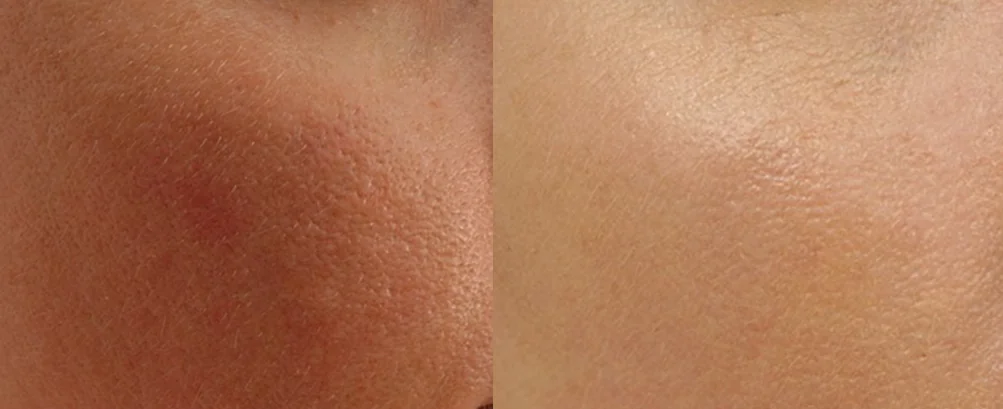
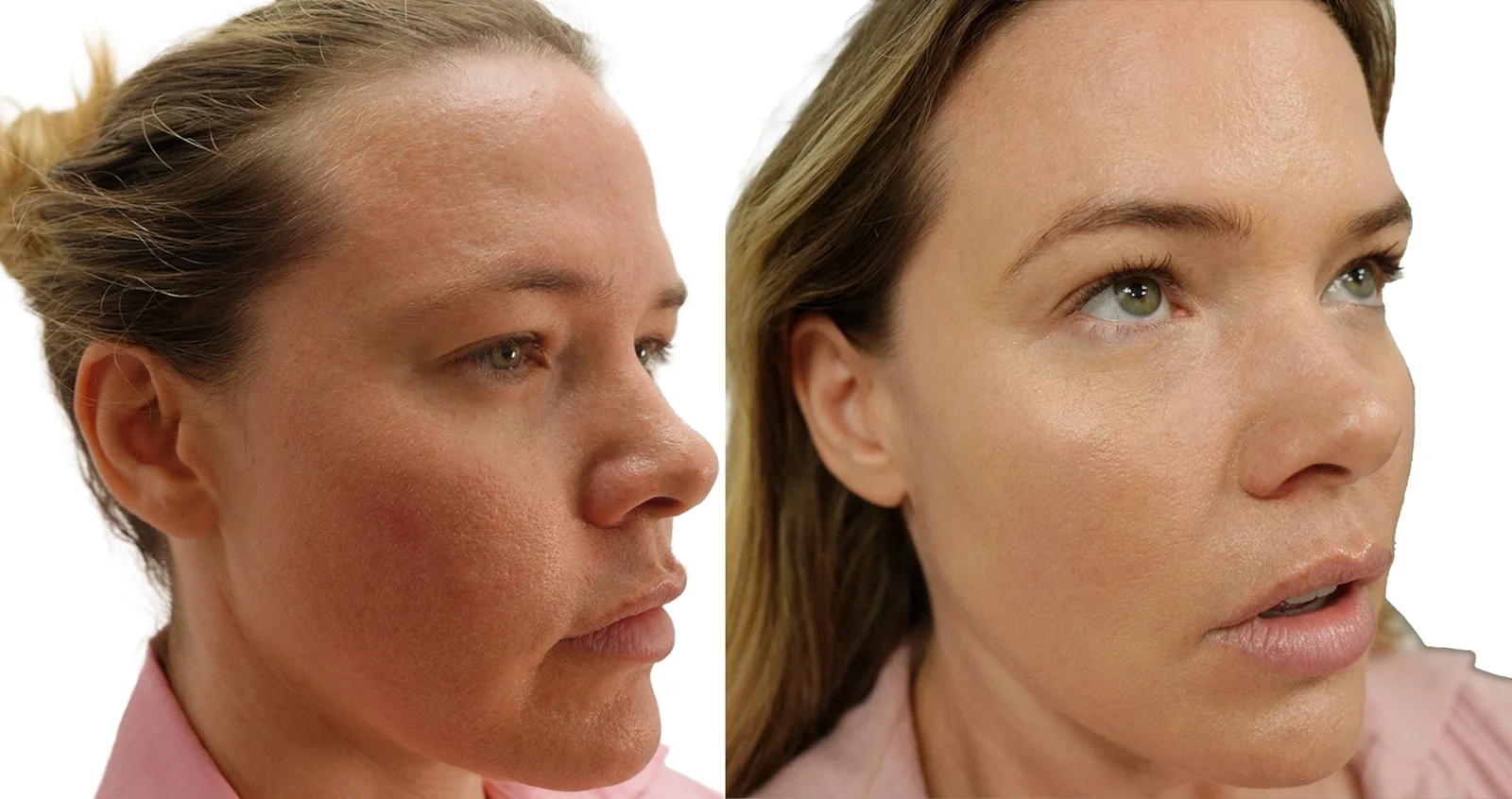
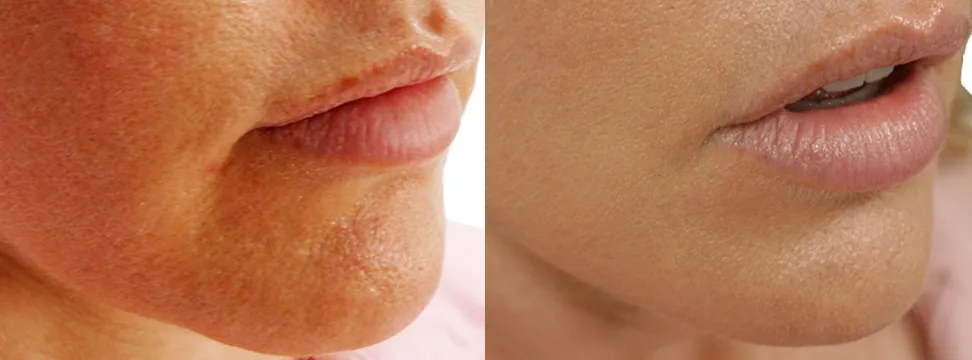
Results shown follow an individualised course of treatment planned after a medical consultation. Book a consultation for your skin concerns to find out what a realistic outcome looks like for your skin.
Why Choose Us for Skin Texture Treatments
At PRP London Clinic, we deliver results-driven skin refinement:
- Advanced Technology: We use the latest devices like Sylfirm X and Tixel, which offer superior results compared to standard facials.
- Customised Stacking: We are experts in 'stacking' treatments (e.g., Microneedling + Exosomes) to maximise results.
- Holistic Advice: We provide comprehensive advice on the right skincare ingredients to maintain your smooth results at home.
Diagnosis & Assessment
We begin with a close-up skin analysis to assess the quality of your skin texture. Our experts will evaluate pore size, oil production, hydration levels, and signs of sun damage. This helps us determine if your texture issues are due to congestion, collagen loss, or dehydration, allowing us to prescribe the precise combination of treatments to restore smoothness.
Prevention & Management
Lifestyle Tips
- •Wear SPF 50 daily: sun damage destroys collagen, causing pores to sag and look larger
- •Cleanse your face twice daily to prevent oil buildup
- •Stay hydrated to maintain skin plumpness
- •Avoid smoking, which damages skin elasticity and texture
Home Care
- •Use a double-cleansing method in the evening
- •Incorporate retinol or retinoids to speed up cell turnover (as advised)
- •Use chemical exfoliants (AHAs/BHAs) gently to keep pores clear
- •Avoid heavy, pore-clogging (comedogenic) makeup
Symptoms & Causes
Common Symptoms
- Visible, dilated pores, particularly on the nose, cheeks, and chin
- Rough or uneven skin texture to the touch
- A dull, lacklustre complexion
- Makeup that settles into pores or looks 'cakey'
- Excessive oiliness (sebum production)
- Blackheads or congestion
Potential Causes
- Loss of collagen and elastin due to ageing (causes pores to dilate)
- Genetic predisposition (pore size is often hereditary)
- Excessive sebum (oil) production
- Sun damage (UV rays degrade the structural support of the skin)
- Accumulation of dead skin cells and debris
- Dehydration (makes texture look rougher)
Treatment Options at PRP London
Sylfirm X RF Microneedling
Our top choice for pore refinement. It tightens the collagen structure around the pore to physically shrink its appearance while improving overall skin texture.
View Sylfirm X RF MicroneedlingMicroneedling
A classic and effective method for resurfacing the skin. It stimulates cell turnover and new collagen for smoother, fresher-looking skin.
View MicroneedlingPolynucleotides Treatment
Improves skin quality at a cellular level. By boosting hydration and fibroblast activity, it plumps the skin, making pores appear smaller and texture smoother.
View Polynucleotides TreatmentTixel® Skin Resurfacing
Uses thermal energy to resurface the skin's top layer, offering a highly effective solution for smoothing rough texture and refining pores.
View Tixel® Skin ResurfacingHydrafacial
The ultimate deep-clean. It extracts debris from congested pores and infuses hydration, providing an immediate improvement in texture and glow.
View HydrafacialSkin Boosters (e.g., Profhilo)
Delivers intense hydration deep into the skin to improve elasticity and overall radiance, often called the 'injectable glow'.
View Skin Boosters (e.g., Profhilo)Chemical Peels
Professional-grade exfoliation that dissolves the buildup of dead skin cells, clears congestion and brightens rough, uneven texture.
View Chemical PeelsFrequently Asked Questions
In practice you manage rather than fix them. Daily SPF and a retinoid protect the collagen around each pore, resurfacing treatments such as chemical peels and microneedling keep them clear, and collagen-stimulating treatments such as Sylfirm X tighten the structure that holds them. A doctor-led plan combines these based on your skin.
Four things do most of the stretching: excess oil production pushing pores open from within, age-related loss of the collagen that holds them tight, sun damage breaking down that collagen faster, and congestion physically stretching the opening. Genetics set your starting point.
Honestly, no product shrinks pores, whatever the label promises. The ingredients that genuinely help (retinoids, niacinamide, SPF) work by supporting collagen and keeping pores clear. For visible change, collagen-stimulating and resurfacing treatments at a clinic outperform any 'pore shrinker' product.
None that has been proven. Large pores are driven by genetics, oil production, sun damage and age-related collagen loss, not by a vitamin or mineral deficiency, so supplements will not close them. Money is better spent on SPF, a retinoid and, where needed, professional treatment.
Work the ladder: SPF and a night-time retinoid daily, gentle chemical exfoliation to keep pores clear, then professional resurfacing and collagen-stimulating treatments to minimise pores structurally. Combining two or three steps consistently beats any single fix.
Open pores are the same thing as enlarged pores, and the approach is the same: keep them clear, protect the collagen around them with SPF and retinoids, and tighten the supporting structure with resurfacing or collagen-stimulating treatment. The right plan is confirmed at a consultation based on what is driving yours.
Glass skin describes skin so smooth, even and hydrated that it reflects light like glass. A realistic version is achievable for most people through consistent skincare plus skin-quality treatments such as skin boosters, polynucleotides and gentle resurfacing, though genetics set the ceiling. Think of it as a finish you maintain rather than a one-off result.
You may feel smoother skin within a week of a resurfacing treatment (like a peel or Hydrafacial). However, structural improvements like reduced pore size from collagen stimulation typically take 4-6 weeks to become visible after a course of treatment.
It depends on the treatment. Hydrafacial and mild peels have zero downtime. Microneedling and Sylfirm X typically involve 24-48 hours of redness. Tixel may leave tiny micro-crusts for a few days. We will select a treatment that fits your lifestyle.
We generally recommend waiting 24 to 48 hours before applying makeup after microneedling or resurfacing treatments to allow the skin to heal and prevent clogged pores. Mineral makeup is preferred when you do resume.
Verified Clinical Reputation
Ruby K
19 Jan 2026
Norin Hanifi
19 Jan 2026
Dominique Heslop
13 Jan 2026
lloyda221
06 Jan 2026
Mane Authority
06 Jan 2026
Victor Contreras Guerra
4 months ago
A A
5 months ago
harris jan
3 months ago
Independent Patient Feedback
Verify on Google Reviews →Clinical Note: To protect patient confidentiality while maintaining educational clarity, some anatomical illustrations on this site utilise medically-verified, AI-generated models. Every anatomical demonstration is reviewed for clinical accuracy by our GMC-registered medical board.