Rosacea & Facial Redness
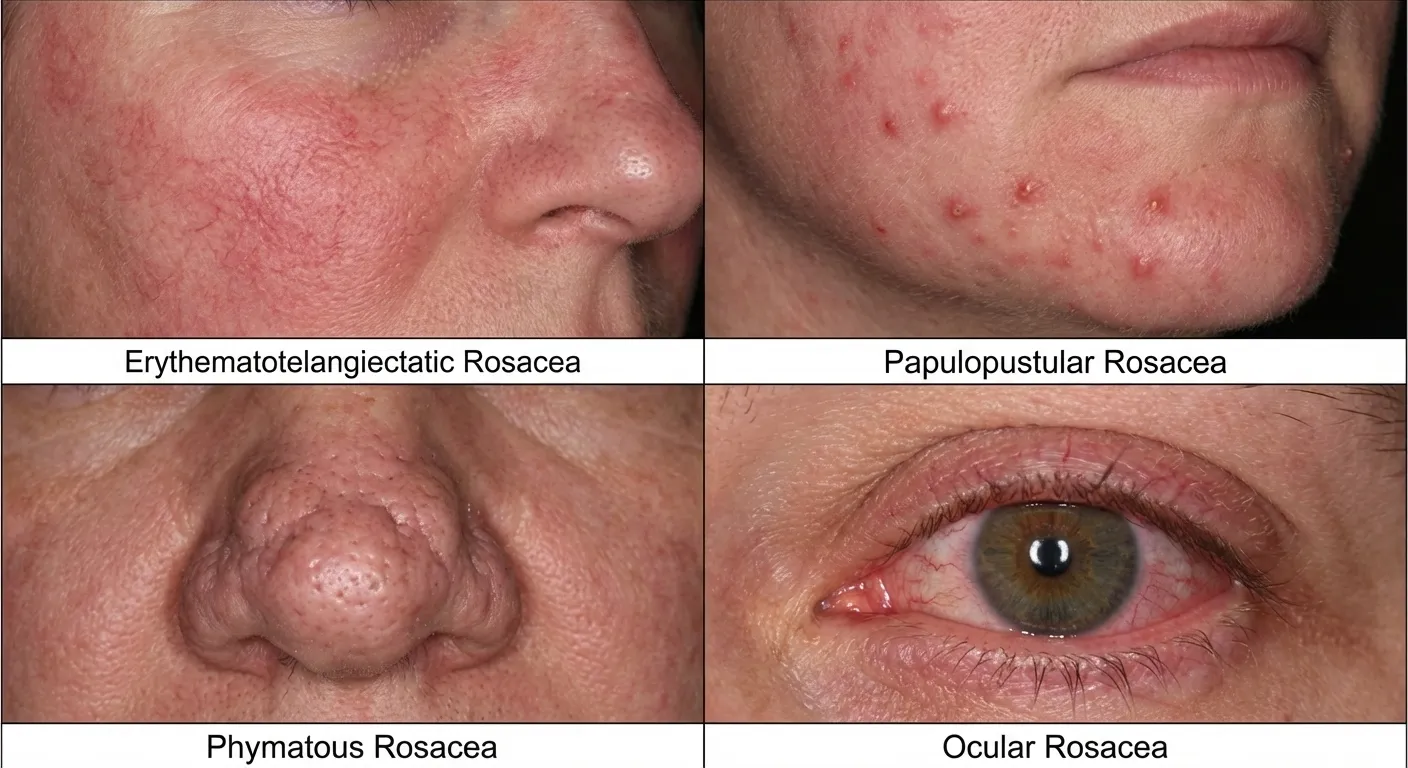
What is Rosacea? The four subtypes of rosacea: Type 1 (ETR), Type 2 (Papulopustular), Type 3 (Phymatous), Type 4 (Ocular) Rosacea is a chronic inflammatory skin condition affecting an estimated 5% of adults globally—over 400 million people worldwide. It primarily affects the central face—cheeks, nose, chin, and forehead—causing persistent redness, visible blood vessels, and in some cases, acne-like bumps.
Content Author & Reviewer
PRP London Clinic Medical Team
GMC-Registered Medical Professionals
Our team of GMC-registered medical professionals collaboratively review all medical content to ensure clinical accuracy and provide evidence-based information for patient education.




Last reviewed: May 4, 2026
What is Rosacea?
What Causes Rosacea?
- Genetics — Rosacea runs in families; if a parent has it, you're more likely to develop it
- Immune system dysfunction — An overactive innate immune response triggers inflammation
- Demodex mites — These microscopic skin inhabitants are found in higher numbers on rosacea-affected skin
- Blood vessel abnormalities — Facial blood vessels dilate too easily and stay dilated
- Environmental triggers — Sun exposure, temperature extremes, and certain foods provoke flare-ups
Can Rosacea Be Cured?
How to Get Rid of Rosacea Redness
- Persistent erythema — the constant facial redness that doesn't fade
- Telangiectasia — visible dilated blood vessels (spider veins) on cheeks and nose
- Flushing — reducing trigger sensitivity and vascular reactivity
- Post-inflammatory erythema — red marks left after papules and pustules heal
- Vascular normalisation (Pulsed-Wave RF technology) — Eliminates abnormal vascularity and restores normal vessel function
- Barrier repair therapies (Polynucleotides, medical skincare) — Strengthen compromised skin
- Anti-inflammatory treatments (Exosome Therapy) — Calm the immune response
- Trigger management — Identify and avoid your personal flare-up triggers
Who Experiences This Condition?
Common in
- •Adults aged 30-50 (though it can occur at any age)
- •People with fair skin, light eyes, and Celtic or Northern European ancestry
- •Women (though men often develop more severe symptoms)
- •Those with a family history of rosacea
- •People who flush or blush easily
- •Individuals with a history of severe acne
Factors Affecting Severity
- •Frequency and intensity of trigger exposure
- •How early treatment is started
- •Consistency of skincare routine and trigger avoidance
- •Underlying health conditions (gut health, hormones)
- •Use of irritating skincare products
- •Sun exposure habits
The 4 Types of Rosacea Explained
Understanding your rosacea subtype is essential for effective treatment. Many people have features of more than one type.
Type 1: Erythematotelangiectatic Rosacea (ETR)
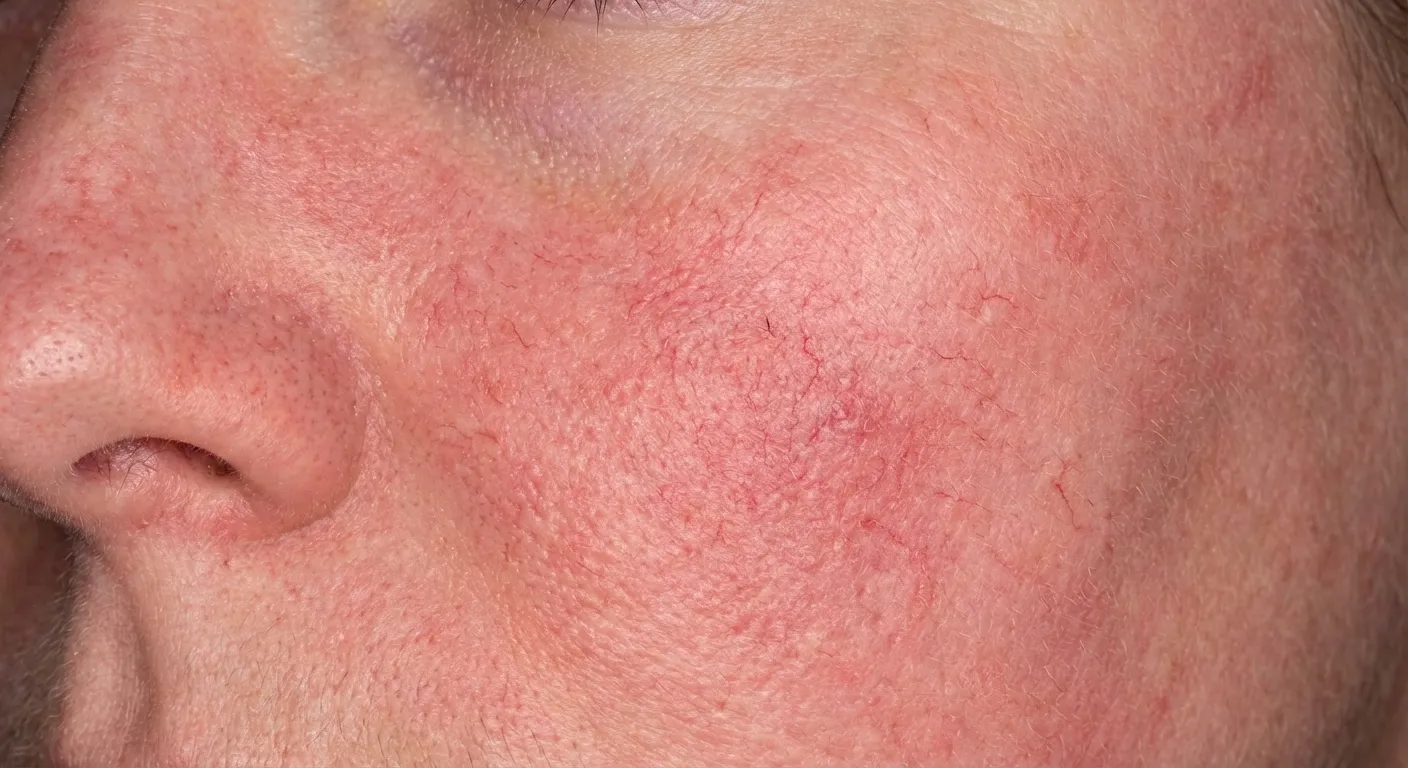
The most common type. Characterised by persistent central facial redness, frequent flushing, and visible blood vessels (telangiectasias). Skin is often sensitive and may sting or burn. Sylfirm X Pulsed Wave is particularly effective for this subtype.
Type 2: Papulopustular Rosacea
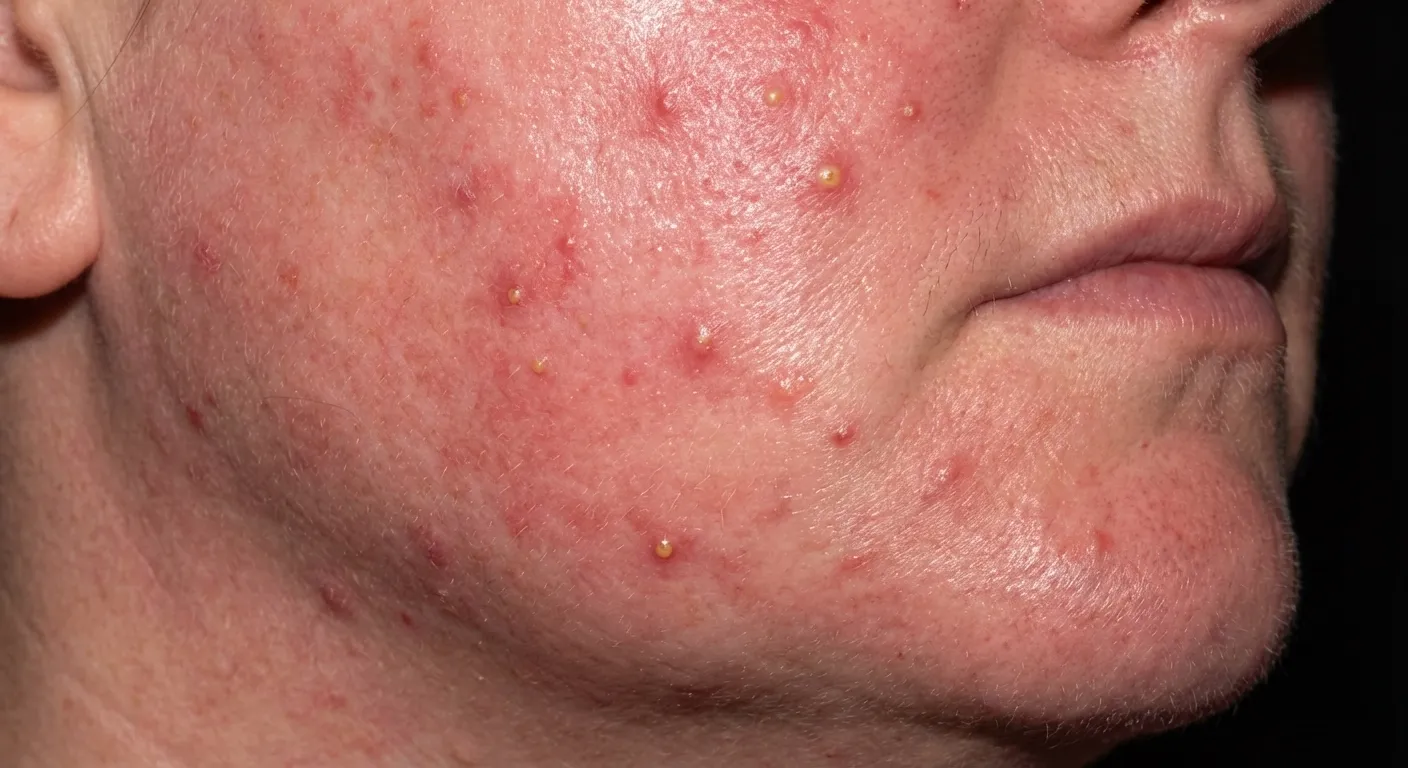
Often confused with acne. Features persistent redness plus acne-like papules (red bumps) and pustules (pus-filled spots). Unlike acne, there are no blackheads or whiteheads. Responds well to a combination of Sylfirm X, gentle peels, and topical treatments.
Type 3: Phymatous Rosacea
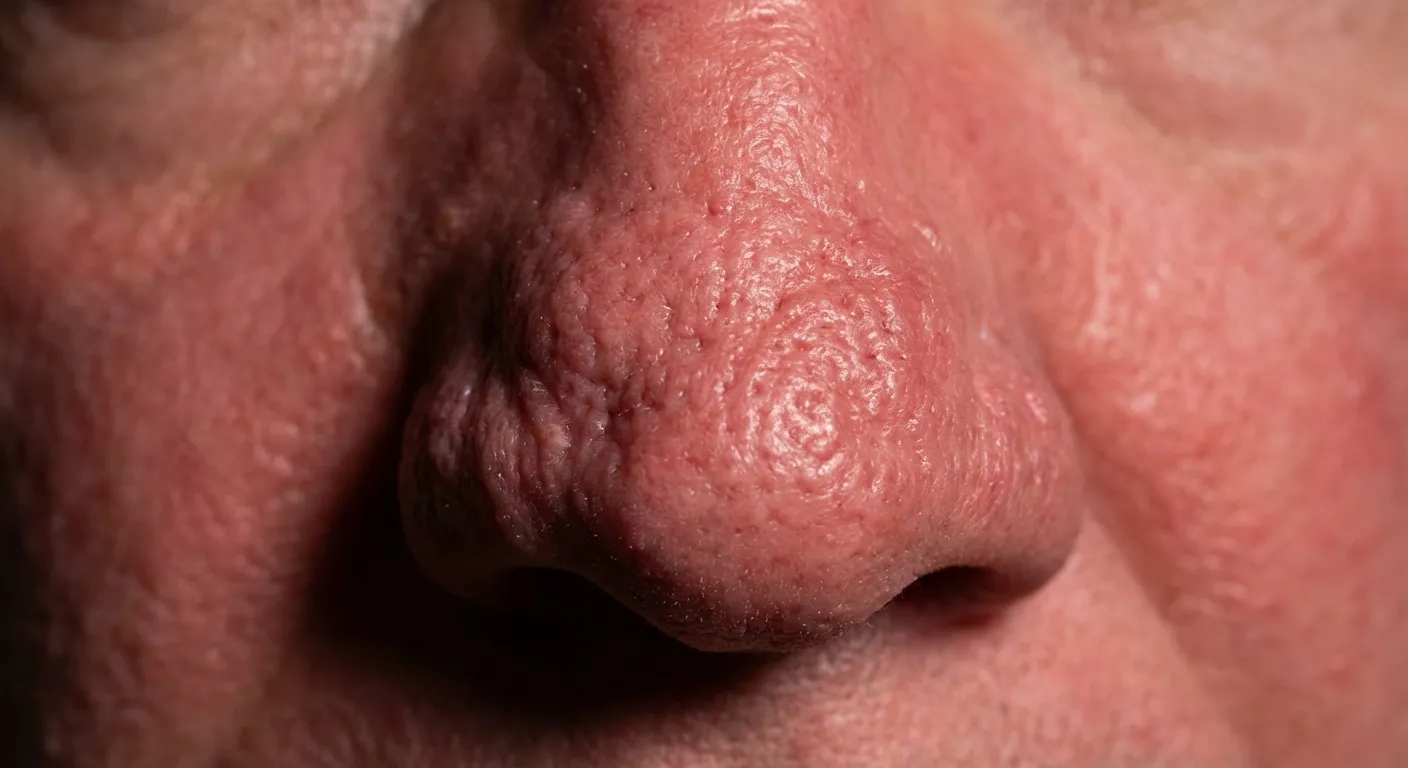
A rarer, more severe form where skin thickens and becomes bumpy, most commonly on the nose (rhinophyma). More common in men. May require more aggressive treatment including Sylfirm X / Morpheus8 for tissue remodelling.
Type 4: Ocular Rosacea
Affects the eyes, causing redness, dryness, burning, grittiness, light sensitivity, and recurrent styes. Can occur with or without skin symptoms. Often underdiagnosed. Requires ophthalmological assessment alongside skin treatment.
Rosacea vs Acne: What's the Difference?
| Feature | Rosacea | Acne |
|---|---|---|
| Age of onset | Usually 30+ | Usually teens-20s |
| Location | Central face only | Face, chest, back |
| Blackheads/whiteheads | Never | Common |
| Background redness | Persistent | Only around spots |
| Visible blood vessels | Common | Rare |
| Flushing episodes | Frequent | No |
| Skin sensitivity | Very sensitive | Variable |
Rosacea Triggers: What Causes Flare-Ups?
| Category | Common Triggers | % Affected* |
|---|---|---|
| Sun & Weather | Sun exposure, hot weather, cold weather, wind | 46–81% |
| Emotional | Stress, anxiety, embarrassment, anger | 79% |
| Temperature | Hot baths, saunas, heated rooms, exercise | 41–56% |
| Food & Drink | Alcohol (esp. red wine), spicy food, hot drinks | 36–52% |
| Skincare | Harsh products, fragrances, certain cosmetics | 27–41% |
| Medical | Certain medications, medical conditions | 15% |
*Data from National Rosacea Society trigger surveys
London-Specific Triggers Living in London presents unique challenges: Central heating in winter creates hot, dry indoor environments. Pollution and particulate matter can irritate sensitive rosacea skin. The Underground combines heat, crowds, and stress—a perfect storm for flare-ups. Being aware of these factors helps you plan protective strategies.Understanding Your Rosacea Management Options
| Rosacea Type | Best Treatment | Why It Works |
|---|---|---|
| Type 1 (ETR) Redness, flushing, vessels | Sylfirm X (Pulsed Wave) | Targets abnormal vessels without surface damage |
| Type 2 (Papulopustular) Bumps and pustules | Sylfirm X + Peels | Calms inflammation + azelaic acid reduces papules |
| Type 3 (Phymatous) Thickened skin | Sylfirm X / Morpheus8 | RF Microneedling remodels thickened tissue structure |
| Barrier Repair | Polynucleotides | Regenerates damaged tissue + reduces inflammation |
| Maintenance | Hydrafacial | Gentle cleansing + hydration without irritation |
| Inflammation Control | Exosomes | Anti-inflammatory growth factors calm reactive skin |
This guide is for informational purposes only. Every treatment recommendation is made after a thorough consultation with our doctors, taking into account your rosacea subtype, severity, triggers, and individual goals.
Why Choose Us for Rosacea Treatment in London
At PRP London Clinic, we take a specialist approach to rosacea management:
Vascular Normalisation Specialists We focus on treating the root cause of rosacea—abnormal, dilated blood vessels (telangiectasia) and chronic erythema. Using advanced Pulsed-Wave RF technology, we eliminate abnormal vascularity and restore normal vessel function, rather than just masking symptoms. This directly targets persistent redness, visible blood vessels, and flushing.
Doctor-Led Diagnosis Every patient receives a proper clinical assessment with our medical team, led by Dr. Mohamed Nafei (GMC: 7520509). We identify your exact subtype, rule out mimicking conditions, and create a personalised plan—not a one-size-fits-all approach.
Combination Therapy Approach We understand that rosacea is multifactorial. We layer treatments strategically—vascular therapy for vessels, biostimulators for barrier repair, exosomes for inflammation—to achieve results that single treatments cannot.
Holistic Management We don't just treat symptoms. We help you understand your triggers, prescribe appropriate medical-grade skincare, and create a long-term maintenance plan to keep flare-ups under control.
Honest Expectations Rosacea is a chronic condition—we won't promise a cure. But we will tell you exactly what improvement is realistic and create a plan to achieve the best possible outcome for your skin.
Treatment Process
Effective rosacea management requires addressing multiple factors simultaneously. Our treatment strategy targets the core features of rosacea:
What We Treat
- Persistent erythema — the constant background redness across cheeks, nose, and chin
- Telangiectasia — visible dilated blood vessels (spider veins) on the face
- Flushing episodes — reducing the frequency and intensity of flare-ups
- Papules and pustules — the acne-like bumps in Type 2 rosacea
1. Vascular Normalisation The primary goal is to eliminate abnormal vascularity—the dilated, reactive blood vessels causing persistent redness, visible telangiectasias, and flushing. We use advanced Pulsed-Wave RF technology which specifically targets and normalises these vessels without damaging the skin surface.
2. Repair the Skin Barrier Rosacea-prone skin has a compromised barrier that allows irritants in and moisture out. Regenerative biostimulators rebuild this protective layer, making skin more resilient to triggers.
3. Reduce Chronic Inflammation Exosome therapy delivers anti-inflammatory growth factors that calm the underlying inflammatory response driving rosacea symptoms, reducing erythema and sensitivity.
4. Long-Term Maintenance Ongoing trigger management, medical-grade skincare, and periodic maintenance sessions keep flare-ups under control. We create a sustainable plan you can follow for life.
Diagnosis & Assessment
Rosacea is diagnosed clinically based on the presence of characteristic signs and symptoms. During your consultation, our doctors will examine your skin, discuss your medical history and triggers, and identify which of the four subtypes you have. This is crucial—different subtypes respond to different treatments. We'll also rule out conditions that can mimic rosacea, including lupus, seborrhoeic dermatitis, contact dermatitis, and acne vulgaris. In some cases, a skin biopsy may be recommended to confirm diagnosis.
Prevention & Management
Lifestyle Tips
- •Identify your personal triggers with a symptom diary
- •Wear broad-spectrum SPF 30-50 daily—UV is the #1 trigger
- •Avoid extreme temperatures (hot baths, saunas, freezing wind)
- •Manage stress through exercise, sleep, or mindfulness
- •Choose lukewarm water for cleansing—never hot
Home Care
- •Use gentle, fragrance-free, soap-free cleansers
- •Apply a barrier-repairing moisturiser daily (look for ceramides, niacinamide)
- •Avoid harsh exfoliants, scrubs, retinoids (unless prescribed), and astringents
- •Consider azelaic acid—one of the few actives that helps rosacea
- •Green-tinted colour correctors can neutralise redness for special occasions
Verified Clinical Reputation
Ruby K
19 Jan 2026
Norin Hanifi
19 Jan 2026
Dominique Heslop
13 Jan 2026
lloyda221
06 Jan 2026
Mane Authority
06 Jan 2026
Victor Contreras Guerra
4 months ago
A A
5 months ago
harris jan
3 months ago
Independent Patient Feedback
Verify on Google Reviews →Clinical Note: To protect patient confidentiality while maintaining educational clarity, some anatomical illustrations on this site utilise medically-verified, AI-generated models. Every anatomical demonstration is reviewed for clinical accuracy by our GMC-registered medical board.