Melasma & Stubborn Pigmentation
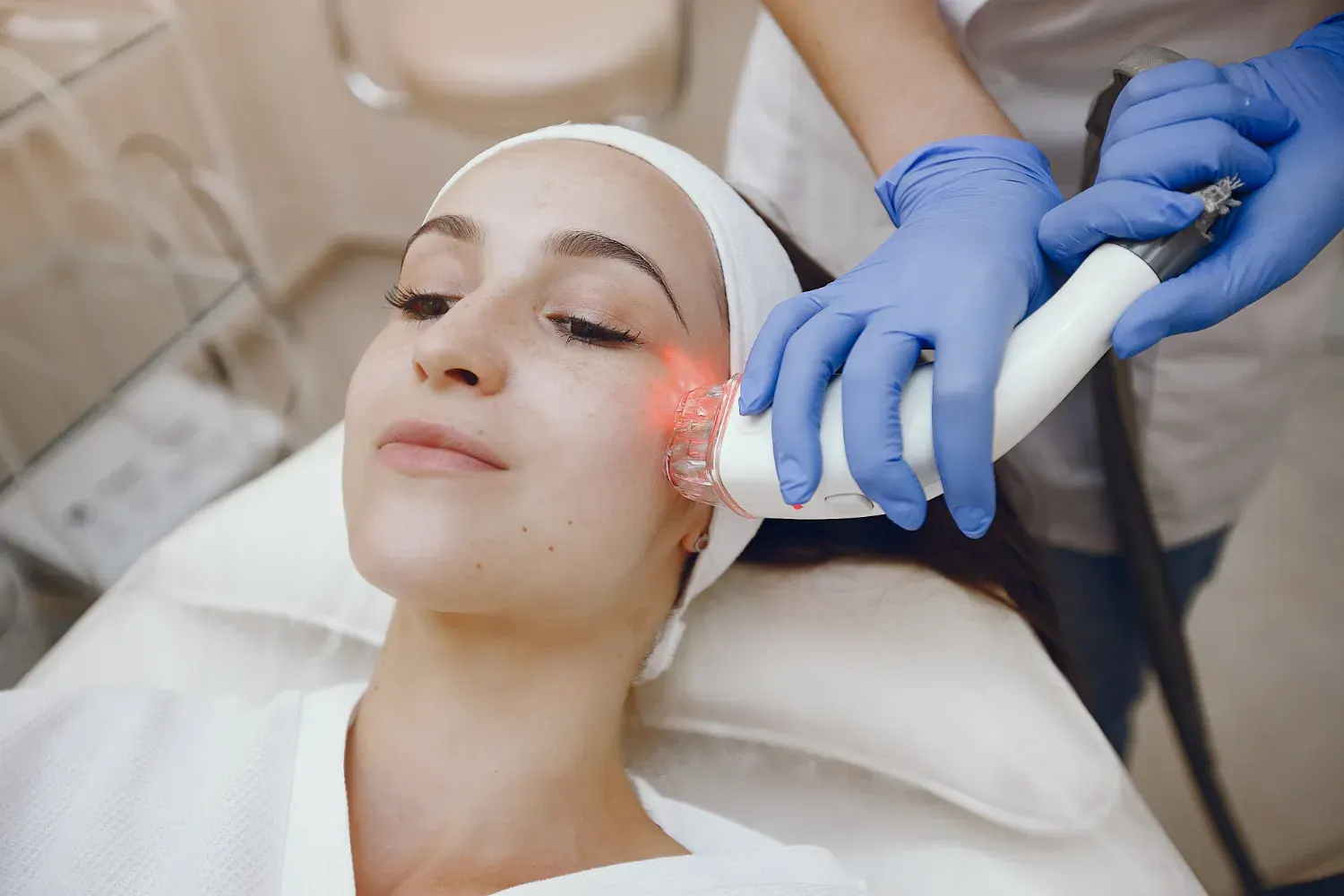
Sylfirm X melasma treatment is the device's flagship application. The Pulsed Wave mode selectively targets dysfunctional melanocytes and abnormal vasculature in the dermal-epidermal junction — the root cause of refractory melasma — without triggering the inflammatory rebound that makes other energy devices risky for pigmentation. A 2022 split-face randomised controlled trial (PMID: 35538360) demonstrated that pulsed-type noninsulated microneedle RF was safe and effective for melasma improvement in Fitzpatrick skin types III-V.
Rosacea & Vascular Redness
Sylfirm X rosacea treatment uses the Pulsed Wave to selectively coagulate the abnormal, dilated blood vessels responsible for persistent facial redness, flushing, and telangiectasias. Clinical evidence (PMID: 33650938) has demonstrated that pulsed-type bipolar RF produces rapid clinical improvement in facial erythema associated with rosacea, offering a treatment pathway for patients frustrated by the limitations of topical therapies alone.
Skin Tightening & Anti-Ageing
The Continuous Wave mode delivers sustained thermal energy to the deep dermis, stimulating robust neocollagenesis and elastin remodelling. This translates directly into measurable Sylfirm X skin tightening — firmer, more lifted skin on the face, neck, and décolletage. For patients asking is Sylfirm X worth it for ageing concerns, the answer depends on whether their primary goal is skin quality improvement (where Sylfirm X excels) versus deep fat remodelling (where Morpheus8 may be more appropriate).
Acne Scars & Texture
Fractional RF microneedling is supported by strong evidence for Sylfirm X acne scars treatment. A 2025 systematic review of 16 studies (481 patients, PMID: 39781098) confirmed that fractional RF microneedling is an effective monotherapy for atrophic acne scarring, with over 80% of patients achieving a two-grade scar improvement. The controlled micro-injuries combined with RF energy stimulate collagen remodelling in the scar bed.
Periorbital Rejuvenation: Sylfirm X for Eyes
The delicate area around the eyes is one of the first to show ageing — and one of the hardest to treat safely. Sylfirm X for eyes addresses hooded eyelids, crow's feet, under-eye crepiness, and vascular dark circles. Because the device delivers energy at precisely controlled depths, it can safely treat the thin periorbital skin where other RF devices cannot go. Sylfirm X under eye and Sylfirm X eyelids treatments start from £650.
Neck, Body & Stretch Marks
Sylfirm X neck treatment targets crepey skin and horizontal lines using the Continuous Wave mode for collagen tightening. The device is also effective on the décolletage, abdomen, and Sylfirm X stretch marks — remodelling the dermal matrix to improve texture and tone in these harder-to-treat body areas.