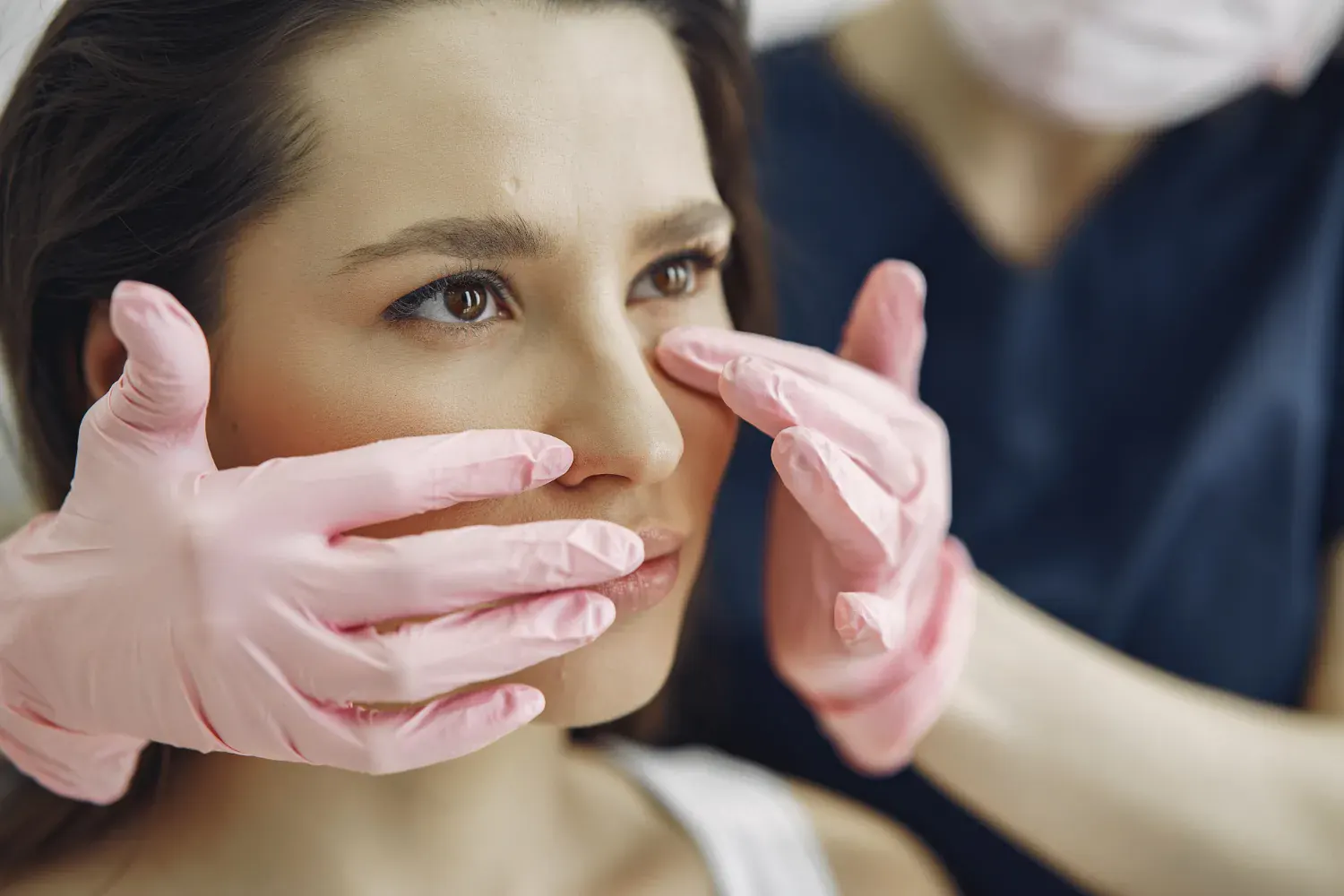




PRP under-eye treatment for dark circles and tear trough rejuvenation at PRP London Clinic, Cavendish Square, London

PRP Under Eyes London: Dark Circle and Tear Trough Rejuvenation

GMC-registered doctors treating dark circles, under-eye hollows and periorbital skin quality with autologous PRP at 33 Cavendish Square, London W1G.

Duration

60m

Sessions

3

Price From

£295

Downtime

Minimal

Key Benefits

  • 100% autologous — uses your own platelet-derived growth factors, eliminating allergic reaction risk
  • Clinically proven to improve infraorbital colour homogeneity and reduce dark circles (Mehryan et al., PMID: 24641609)
  • Stimulates collagen synthesis — 89% improvement in collagen density demonstrated histologically (Abuaf et al., PMID: 27904271)
  • Improves periorbital skin thickness, firmness, and resilience at the dermal level
  • Zero risk of Tyndall effect or filler migration — common complications of HA tear trough fillers
  • Minimal downtime — most patients return to normal activities the same or next day
  • Gradual, natural-looking improvement over 4–12 weeks as collagen remodelling occurs
  • Results sustained for 6–18 months with annual maintenance

Common Target Areas

Under Eyes (Tear Troughs) Dark Circles Under-Eye Hollows Fine Lines Around Eyes Periorbital Skin Quality

PRP for Under Eyes: A Natural Approach to Dark Circles and Periorbital Ageing

PRP under eyes london treatment at PRP London Clinic offers a clinically validated, autologous approach to periorbital rejuvenation. Dark circles, under-eye hollows, and thin, crepey skin around the eyes are among the most common — and most difficult to treat — aesthetic concerns. Unlike concealer or topical products that mask the problem, Platelet-Rich Plasma therapy addresses the underlying biology: stimulating collagen synthesis, improving dermal thickness, and enhancing microcirculation in the delicate periorbital tissue.

As a dedicated medical aesthetic clinic, we specialise in prp for dark circles london and prp tear trough london treatments using the Rein PRP System (93–97% platelet recovery) and the MCT Plasma System. Every procedure is performed by a GMC-registered doctor with specific expertise in periorbital anatomy — a region where precision and depth control are critical for both safety and efficacy.

For patients seeking a natural alternative to hyaluronic acid tear trough fillers — or those who have experienced complications such as the Tyndall effect from previous filler treatments — PRP offers a regenerative pathway that works with your body's own healing mechanisms. A 2025 PRISMA systematic review of 14 studies confirmed PRP's favourable safety profile and sustained outcomes for periorbital hyperpigmentation at 6 months (Sollitto et al., PMID: 41190633).

This procedure is part of our comprehensive Guide to Under-Eye Hollowing & Tear Trough Deformity.

Your Periorbital Rejuvenation Team

Every PRP under eyes london session is performed by a GMC-registered doctor from our clinical team — Dr Bruno Amendola (GMC: 4346629), Dr Mohamed Nafei (GMC: 7520509), and Dr Reem Nouri (GMC: 6149512). Our doctors follow standardised periorbital rejuvenation treatment protocols developed through shared clinical workflows, ensuring consistent outcomes regardless of which physician performs your procedure. Never a nurse, technician, or non-medical practitioner.

PRP Under Eyes Before and After: Real Patient Results

Real patient transformations at PRP London Clinic demonstrating visible improvement in dark circles, skin quality, and periorbital hollowing through our PRP protocols. All prp under eye before and after photographs are taken with informed patient consent.

Dark Circles

PRP Under Eyes Before and After - Dark Circle Treatment Results

Combination Protocol: Patient received 3 sessions of PRP for dark circle correction and periorbital skin rejuvenation. Results shown after completing full protocol including subsequent PRF Biofiller session for additional volume restoration.

What PRP Treats in the Under-Eye Area: Clinical Precision Matters

The periorbital region is anatomically complex, and not all under-eye concerns respond to the same treatment. Understanding what prp for under eyes can — and cannot — address is essential for setting realistic expectations and achieving optimal outcomes.

What PRP Effectively Treats

  • Dark Circles (Vascular & Pigmentary): PRP growth factors improve microcirculation and stimulate dermal remodelling, reducing the translucency that allows underlying blood vessels and pigment to show through thin periorbital skin. A 2014 clinical trial demonstrated statistically significant improvement in infraorbital colour homogeneity (P=0.010) following PRP injection (Mehryan et al., PMID: 24641609).
  • Fine Lines and Crow's Feet: Concentrated platelets release PDGF, TGF-beta, and VEGF — growth factors that stimulate fibroblast activity and new collagen deposition, softening fine periorbital lines over 8–12 weeks.
  • Crepey, Thin Skin: Histological evidence shows an 89.05% improvement in collagen optical density following PRP treatment (Abuaf et al., PMID: 27904271), directly relevant to rebuilding the dermal matrix in thin under-eye skin.
  • Skin Quality Over Mild Hollows: Where mild tear trough shadowing results from skin thinning rather than true volume loss, PRP can improve skin thickness and quality sufficiently to reduce the shadow effect.
  • Tired, Dull Periorbital Appearance: By stimulating cellular renewal and improving tissue oxygenation, PRP restores brightness and vitality to the periorbital area.

Important Distinction: Skin Quality vs Volume Loss

PRP is a skin quality treatment — it rebuilds dermal collagen, improves thickness, and enhances microcirculation. However, for true volumetric tear trough hollowing (Grade III–IV), where subcutaneous fat has atrophied or descended, PRP alone cannot replace lost volume. In these cases, a PRF Biofiller (EZ Gel) or hyaluronic acid filler is required for structural volume restoration. Many patients benefit from a staged approach: PRP first to optimise skin quality, followed by volume correction if needed.

Technique & Products: PRP Under-Eye Injection

The periorbital area is one of the most technically demanding injection zones in aesthetic medicine. Our prp under eye treatment london protocols reflect the anatomical complexity of this region:

Preparation Systems

Your doctor selects between the Rein PRP™ System (CE Class IIB, 93–97% platelet recovery) or the MCT Plasma System (photobiomodulation-enhanced PRP). Both are CE-certified and produce the concentrated growth factor preparation needed for periorbital skin rejuvenation.

Periorbital Anatomy Considerations

The under-eye skin is the thinnest on the body (0.5mm vs 2mm+ elsewhere on the face). The infraorbital vasculature, including the angular artery and infraorbital artery, requires precise knowledge of vascular anatomy to avoid complications. Our doctors are specifically trained in safe periorbital injection depths and techniques.

Needle vs Cannula Technique

Depending on your anatomy and the specific concern being treated, your doctor may use fine-gauge needles (for superficial skin quality improvement) or a blunt-tip cannula (for deeper periorbital delivery with reduced bruising risk). The choice is made at consultation based on your tear trough anatomy and treatment goals.

PRP vs Volume: Setting Expectations

PRP improves periorbital skin quality — thickness, collagen density, pigmentation, and texture. It does not replace lost volume. For patients with true tear trough hollowing, our doctors may recommend combining PRP with a PRF Biofiller or HA-based filler for comprehensive under-eye correction.

The PRP Under-Eye Protocol: Clinical Workflow

Our Clinical Board follows a rigorous 6-stage medical protocol to ensure maximum platelet recovery and optimal rejuvenation outcomes for the delicate periorbital area.

1

Periorbital Assessment

Your GMC-registered doctor examines the under-eye area under clinical lighting, assessing skin thickness, vascular patterns, pigmentation depth, and the presence of true volume loss versus skin-quality-related shadowing. This determines the treatment approach.

2

Sterile Blood Collection

A small venous blood sample (10–20ml) is drawn from your arm using vacuum-sealed phlebotomy equipment to ensure maximum cell viability for PRP processing.

3

High-Recovery PRP Processing

Your blood is processed using the Rein PRP System at optimised centrifugation settings, achieving a 93–97% platelet recovery rate for maximum growth factor concentration targeting periorbital tissue regeneration.

4

Topical Anaesthesia Application

The under-eye area is cleansed with antiseptic solution and a medical-grade topical numbing cream is applied for 20–30 minutes to ensure maximum comfort throughout the injection phase.

5

Targeted Periorbital Micro-Injection

Your doctor performs precise micro-injections using ultra-fine needles or blunt-tipped cannula, delivering concentrated growth factors directly to the tear trough, infraorbital, and periorbital tissue at carefully controlled depths.

6

Post-Treatment Review and Aftercare

The treated area is assessed, cool compresses are applied to minimise swelling, and you receive detailed periorbital-specific aftercare instructions including guidance on sleeping position, sun protection, and activity restrictions.

Unhappy with Previous Under-Eye Filler? PRP as a Natural Alternative

An increasing number of patients present to our clinic dissatisfied with previous tear trough filler treatments. Common concerns include the Tyndall effect (a bluish discolouration caused by superficially placed hyaluronic acid filler), persistent puffiness from filler migration, and an unnatural, overfilled appearance.

PRP under eye treatment offers a fundamentally different approach. Rather than adding exogenous material to the periorbital area, PRP harnesses your own concentrated growth factors to stimulate collagen production, improve skin thickness, and enhance the quality of the tissue itself. For patients who have experienced filler-related complications — or who simply prefer a fully autologous treatment — prp for under eye hollows london provides a regenerative alternative that works with your biology, not against it.

During your consultation, our doctors will assess whether PRP alone is appropriate for your concerns, or whether hyaluronidase dissolution of existing filler should be considered before commencing a PRP protocol. We can also discuss PRF Biofiller as a fully autologous volume option for patients who need structural correction without synthetic fillers.

PRP vs Tear Trough Filler vs PRF Biofiller vs Polynucleotides: Under-Eye Treatment Comparison

Choosing the right treatment for your under-eye concerns depends on the specific nature of your problem — whether it is primarily a skin quality issue, a volume deficit, or a combination. This comparison helps clarify the differences between the main treatment options available at PRP London Clinic for prp for under eye bags london and periorbital rejuvenation.

FeaturePRP Under EyesTear Trough Filler (HA)PRF Biofiller (EZ Gel)Polynucleotides
Primary ActionCollagen stimulation, skin qualityImmediate volume replacementAutologous volume + regenerationTissue bio-remodelling
MaterialAutologous (your own blood)Synthetic hyaluronic acidAutologous (your own blood)Purified salmon DNA fragments
Best ForDark circles, thin skin, fine linesModerate-deep tear trough hollowsMild-moderate hollows + skin qualitySkin hydration, early ageing
Allergy RiskVirtually none (autologous)Low but possibleVirtually none (autologous)Low (biocompatible)
Tyndall RiskNoneYes (if placed superficially)NoneNone
Results TimelineGradual (4-12 weeks)ImmediateGradual (2-6 weeks)Gradual (4-8 weeks)
Longevity6-18 months6-12 months3-6 months6-9 months
Sessions Required3 sessions (4-6 weeks apart)Usually 12-3 sessions2-3 sessions
ReversibleNo (natural process)Yes (hyaluronidase)No (naturally resorbed)No (naturally resorbed)

PRP Under-Eye Treatment Cost in London

PRP under eye cost london at PRP London Clinic reflects the quality of our clinical systems, GMC-registered doctor delivery, and the evidence-based protocols that underpin every treatment. We use the Rein PRP System (CE Class IIB, ISO 13485:2016) to achieve a 93–97% platelet recovery rate — significantly higher than many generic PRP kits used elsewhere.

Current pricing for prp under eye treatment london: £295

We offer both single-session and course pricing. A course of 3 sessions (spaced 4–6 weeks apart) is recommended for optimal collagen stimulation and sustained results in the periorbital area. Pricing includes your consultation, blood draw, PRP preparation, treatment, and aftercare support.

During your consultation, your doctor will assess your specific under-eye concerns and recommend whether PRP alone or a combination approach (e.g., PRP plus PRF Biofiller for volume) is most appropriate.

Safety Profile: Autologous PRP for the Periorbital Region

PRP therapy has an excellent safety profile, particularly in the periorbital region, because it is a fully autologous treatment — using only your own biological material. This eliminates the risk of allergic reaction, foreign body granuloma, and the Tyndall effect that can occur with synthetic fillers placed around the eyes.

A 2025 PRISMA systematic review of 14 studies comparing PRP and PRF for periorbital rejuvenation confirmed that both treatments demonstrated favourable safety profiles with only mild, transient adverse effects and high patient satisfaction (Sollitto et al., PMID: 41190633). The most comprehensive 2024 review of PRP for skin rejuvenation further corroborated the treatment's safety across multiple applications (Lam et al., PMID: 38650371).

Periorbital-specific considerations: The under-eye area has thinner skin, more superficial vasculature, and proximity to the orbital septum. Our doctors use blunt-tipped cannulae where appropriate to reduce bruising risk, inject at carefully controlled depths, and follow strict aseptic technique. All patients receive a thorough pre-treatment assessment including review of medications (particularly anticoagulants and supplements that increase bruising risk).

Common post-treatment effects are mild and transient: swelling (24–72 hours), possible bruising (5–7 days), and minor redness (24–48 hours). These resolve without intervention and can be managed with cool compresses and elevated sleeping position.

Aftercare: Maximising Your PRP Under-Eye Results

First 24–48 Hours

  • Apply cool compresses (not ice directly on skin) for 10–15 minutes at intervals to reduce swelling
  • Sleep with your head slightly elevated on an extra pillow to minimise periorbital fluid accumulation
  • Avoid touching, rubbing, or applying pressure to the treated area
  • Do not apply makeup to the under-eye area for at least 6 hours post-treatment
  • Avoid strenuous exercise, hot showers, saunas, and steam rooms
  • Do not consume alcohol for 24 hours

First 2 Weeks

  • Avoid direct sun exposure and apply SPF 50 sunscreen to the periorbital area daily
  • Do not use retinoids, AHAs, BHAs, or other active skincare on the treated area for 5–7 days
  • Avoid facial treatments (chemical peels, laser, microneedling) on the periorbital area until cleared by your doctor
  • Stay hydrated and maintain a balanced diet to support your body's regenerative processes

Follow-Up

  • Your next PRP session is typically scheduled 4–6 weeks after the previous treatment
  • Collagen remodelling continues for 8–12 weeks after each session — full results are cumulative
  • A follow-up review may be arranged 6–8 weeks after your final session to assess outcomes and discuss maintenance
  • Annual maintenance sessions are recommended to sustain long-term improvements

Candidate Assessment: Who Benefits Most from PRP Under Eyes?

Not every under-eye concern is best treated with PRP. This comparison helps you understand whether prp under eye rejuvenation london is the right starting point for your needs, or whether an alternative or combination approach may be more appropriate.

Ideal Candidate for PRPMay Need Alternative or Combination Treatment
Dark circles caused by thin skin or poor microcirculationDark circles caused by significant structural volume loss (requires filler or PRF Biofiller)
Fine lines, crepey texture, and early crow's feetDeep static wrinkles requiring resurfacing (Tixel, laser)
Mild shadowing improved by better skin quality and thicknessGrade III–IV tear trough hollows requiring volumetric replacement
Healthy platelet count and no blood clotting disordersPlatelet dysfunction, on anticoagulants, or severe anaemia
Seeking gradual, natural improvement over 8–12 weeksSeeking immediate volume correction (HA filler better)
Previous negative experience with synthetic fillersSignificant fat pad herniation (surgical evaluation recommended)
Willing to commit to 3-session protocol for optimal resultsExpecting dramatic single-session transformation

Contraindications: Who Should Not Have PRP Under Eyes?

While platelet rich plasma under eyes london treatment is suitable for the majority of patients, certain medical conditions and circumstances preclude safe treatment. Our doctors conduct a thorough pre-treatment assessment to ensure your suitability.

  • Platelet Dysfunction or Clotting Disorders: Conditions such as thrombocytopenia, platelet function disorders, or coagulopathies prevent adequate PRP preparation and increase bleeding risk.
  • Active Skin Infection or Inflammation: Any active infection, inflammation, or open wound in or around the periorbital area must be fully resolved before treatment.
  • Anticoagulant Medication: Patients taking blood-thinning medications (warfarin, heparin, rivaroxaban, aspirin at therapeutic doses) require medical review. Dose adjustment or temporary cessation may be possible — this is assessed on a case-by-case basis with your prescribing doctor.
  • Pregnancy and Breastfeeding: PRP treatment is not performed during pregnancy or while breastfeeding as a precautionary measure.
  • Active Cold Sores or Herpes Simplex: Treatment in the periorbital area is deferred during active outbreaks due to the risk of viral spread. Prophylactic antiviral medication may be considered for patients with recurrent herpes.
  • Severe Anaemia or Low Platelet Count: Adequate baseline platelet levels are required to produce a therapeutically effective PRP preparation.
  • Recent Eye Surgery (Within 3 Months): Patients who have undergone blepharoplasty, LASIK, or other ocular surgery should wait a minimum of 3 months before periorbital PRP treatment.
  • Autoimmune Conditions Affecting the Skin: Conditions such as lupus, scleroderma, or dermatomyositis affecting the periorbital area may alter the healing response and require specialist review.

Clinical Disclaimer

PRP therapy is a biological medical procedure. Individual results vary based on age, genetics, skin condition, baseline health, and the specific nature of the under-eye concern being treated. While the Rein PRP System achieves a 93–97% platelet recovery rate, PRP is a treatment to improve periorbital skin quality and reduce the appearance of dark circles, fine lines, and thin skin — it is not a replacement for surgical procedures in cases of significant fat pad herniation or severe periorbital skin laxity. A professional consultation is required to determine suitability. Content reviewed March 2026.

PRP Under-Eye Treatment at 33 Cavendish Square, London

PRP London Clinic is located at 33 Cavendish Square, London W1G 0PW — a dedicated medical aesthetic clinic in the heart of central London. We are a short walk from Oxford Circus station (Central, Victoria, Bakerloo lines) and Bond Street station (Central, Jubilee, Elizabeth lines). The clinic provides a private, clinical environment for all periorbital rejuvenation treatments.

Whether you are seeking prp under eye near me treatment for dark circles, fine lines, or periorbital skin quality, our team of three GMC-registered doctors is here to assess your concerns and recommend the most appropriate treatment pathway.

Book Your PRP Under-Eye Consultation

Take the first step toward brighter, rejuvenated under-eyes. Book a consultation with our GMC-registered doctors at PRP London Clinic to discuss your periorbital concerns and discover whether prp for dark circles london treatment is right for you. Our team will conduct a thorough assessment and recommend a personalised treatment plan — whether that involves PRP alone, or a combination approach for optimal results.

Book Your Consultation

Myths vs Facts

M

PRP under eyes gives instant results like fillers.

F

PRP works through biological collagen stimulation, not instant volume addition. Visible improvements typically appear over 4–12 weeks as your fibroblasts produce new collagen and the dermal matrix remodels. This gradual process produces natural-looking results that develop over time.

M

PRP is too risky for the delicate under-eye area.

F

PRP uses your own blood, making allergic reactions virtually impossible — and eliminating the risk of Tyndall effect or granuloma that can occur with synthetic fillers. A 2025 systematic review of 14 studies confirmed PRP's favourable safety profile for periorbital rejuvenation with only mild, transient adverse effects.

M

One PRP session is enough for under-eye concerns.

F

Optimal periorbital results typically require 3 sessions spaced 4–6 weeks apart. Each session builds cumulative collagen stimulation — the first session initiates the regenerative cascade, while subsequent sessions amplify and consolidate the collagen remodelling response.

M

PRP can remove severe under-eye bags caused by fat herniation.

F

PRP improves skin quality, thickness, and periorbital fine lines but is not a replacement for surgical intervention in cases of significant fat pad herniation. For prominent under-eye bags caused by protruding orbital fat, a blepharoplasty assessment may be more appropriate.

M

Any PRP system produces the same results for under-eye treatment.

F

PRP quality varies significantly between systems. The Rein PRP System used at our clinic achieves 93–97% platelet recovery — considerably higher than many generic kits. Higher platelet concentration means greater growth factor delivery to the periorbital tissue, directly impacting treatment efficacy.

M

PRP under eyes is just a temporary cosmetic fix with no real biological effect.

F

Histological research demonstrates genuine tissue regeneration: Abuaf et al. (2016) showed an 89.05% improvement in collagen optical density following PRP treatment, confirmed by skin biopsies. PRP stimulates measurable dermal remodelling, not just surface-level improvement.

PRP Treatment for Under Eyes Cost

TreatmentPrice
PRP for Under Eyes (Per Session)

Course of 2-4 sessions often recommended for optimal results. Package pricing available upon consultation.

£295per treatment
MCT Plasma for Under Eyes (Per Session)

Photobiomodulation-enhanced platelet therapy (MCT Plasma) for periorbital rejuvenation. Course of 2-4 sessions recommended.

£450per treatment

Prices are indicative. Please book a consultation for a personalised quote.

Frequently Asked Questions

Discomfort during PRP under-eye treatment is generally minimal. A medical-grade topical anaesthetic cream is applied to the periorbital area for 20–30 minutes before injection, effectively numbing the skin. Most patients report only a slight pressure sensation during the injection phase. Our doctors use ultra-fine needles or blunt-tipped cannulae to further minimise discomfort. The cannula technique, often preferred for the under-eye area, typically causes less sensation than needle-based injection.
We recommend a course of 3 sessions spaced 4–6 weeks apart for optimal periorbital rejuvenation. Each session builds cumulative collagen stimulation — the first initiates the regenerative response, while subsequent treatments amplify and consolidate results. Some patients with milder concerns may see satisfactory improvement after 2 sessions, while those with more significant dark circles or skin thinning may benefit from a fourth session. Your doctor will create a personalised treatment plan during your consultation at PRP London Clinic.
Results from PRP under-eye treatment typically last between 6 to 18 months, depending on individual factors including age, skin condition, genetics, sun exposure, and lifestyle. The collagen stimulated by PRP is your own biological tissue, so it follows natural ageing processes over time. Many patients opt for annual maintenance sessions (1–2 per year) to sustain and build upon the rejuvenating effects. Patients who complete the full 3-session course tend to experience longer-lasting results than those who have a single treatment.
PRP uses your own blood, so allergic reactions are virtually impossible. Common post-treatment effects include temporary mild swelling (resolving within 24–72 hours), possible bruising in the periorbital area (resolving within 5–7 days), and minor redness (24–48 hours). Some patients experience transient tenderness at injection points. Serious complications are very uncommon when performed by experienced, GMC-registered doctors using proper technique. Our 2025 systematic review evidence confirms PRP's favourable safety profile for periorbital use.
Mild swelling after PRP under-eye treatment usually subsides within 24–72 hours. Some patients experience minimal swelling that resolves by the next morning. The periorbital area is naturally prone to fluid retention, so mild puffiness is expected and not a cause for concern. Applying cool compresses (10–15 minutes on, 10 minutes off) and sleeping with your head slightly elevated on an extra pillow can help reduce swelling faster. Avoid salty foods and alcohol for 24 hours, as these can exacerbate fluid retention.
Bruising is possible but not guaranteed. The under-eye area has a rich superficial vascular network, so some patients may experience light bruising that typically fades within 5–7 days. Our doctors often use blunt-tipped cannulae for periorbital PRP injection, which significantly reduces bruising risk compared to sharp needles. To minimise bruising, avoid blood-thinning medications and supplements (aspirin, ibuprofen, fish oil, vitamin E, ginkgo biloba) for 7–10 days before treatment where medically appropriate.
Aftercare is straightforward: avoid touching or rubbing the treated area for 24 hours, skip strenuous exercise for 24–48 hours, and avoid excessive sun exposure. Do not apply makeup to the under-eye area for at least 6 hours post-treatment. Sleep with your head slightly elevated for the first night. Avoid retinoids and active skincare ingredients on the treated area for 5–7 days. Apply SPF 50 sunscreen daily. Our team provides detailed written aftercare instructions following your treatment.
Downtime is minimal. You might experience mild redness, swelling, or bruising around the injection sites for a few days. Most people return to their usual activities the same day or the next. Swelling is typically the most noticeable effect and usually subsides within 24–72 hours. Any bruising can be concealed with mineral makeup after 6 hours. We recommend scheduling your treatment before a weekend or on a day when you do not have important social or professional engagements.
Initial improvements in skin hydration, brightness, and subtle texture refinement may be noticeable within 2–3 weeks as the initial inflammatory phase resolves and early collagen synthesis begins. The full effects from collagen remodelling become progressively more apparent over 8–12 weeks as your fibroblasts deposit new collagen and the dermal matrix restructures. Results are cumulative across the 3-session protocol — most patients notice the most significant visible improvement after completing their second and third treatments.
PRP is most effective for dark circles caused by thin, translucent skin (allowing underlying vasculature to show through), poor microcirculation, and mild periorbital pigmentation. Clinical evidence shows statistically significant improvement in infraorbital colour homogeneity following PRP injection. However, dark circles caused by significant structural volume loss (deep tear troughs) may require additional volumetric treatment such as PRF Biofiller or HA filler. Genetic hyperpigmentation (dermal melanin deposition) may respond partially but often benefits from combination approaches. A consultation is essential to identify your specific type.
PRP and tear trough fillers address different aspects of under-eye ageing. PRP is a regenerative treatment that improves skin quality, collagen density, and periorbital skin thickness — ideal for dark circles, fine lines, and thin skin. HA fillers provide immediate volume replacement for structural tear trough hollows. PRP carries no risk of Tyndall effect or filler migration, making it a safer option for the delicate periorbital area. For many patients, the best approach is staged: PRP first for skin quality, then volumetric correction if needed. Your doctor will recommend the most appropriate pathway.
Yes, PRP is frequently combined with other treatments for synergistic periorbital rejuvenation. Common combination protocols include PRP followed by PRF Biofiller (for patients needing both skin quality and volume improvement), PRP with polynucleotide injections (for enhanced bio-remodelling), and PRP with microneedling for the broader periorbital and crow's feet area. These combination approaches are discussed during your consultation at PRP London Clinic, with treatment sequencing planned to optimise outcomes.
PRP under-eye treatment pricing at PRP London Clinic is £295. We offer both single-session and course packages — the 3-session course provides the best value and is recommended for optimal collagen stimulation. Pricing includes your consultation, blood draw, PRP preparation using the Rein PRP System, the treatment itself, and aftercare support. Your doctor will confirm exact pricing based on your personalised treatment plan during your consultation.
PRP (Platelet-Rich Plasma) and PRF (Platelet-Rich Fibrin) are both autologous treatments derived from your own blood, but they differ in preparation and application. PRP is a liquid concentrate of platelets and growth factors, ideal for injection into the periorbital tissue to stimulate collagen and improve skin quality. PRF Biofiller (EZ Gel) includes a fibrin matrix that provides mild volumetric correction alongside regeneration — better suited for patients with both skin quality issues and mild-to-moderate hollowing. A 2025 systematic review found both demonstrated favourable safety profiles; PRP showed stronger evidence for hyperpigmentation specifically.

Clinical Evidence & Scientific References

Sollitto et al. (2025): Systematic Review of PRP vs PRF for Periorbital Rejuvenation

Source: Journal of Cosmetic Dermatology (PMID: 41190633)

Supports: 2025 PRISMA systematic review of 14 studies comparing PRP and PRF for periorbital rejuvenation. PRP showed stronger evidence for treating hyperpigmentation (dark circles), with outcomes sustained at 6 months. Both PRP and PRF demonstrated favourable safety profiles with only mild, transient adverse effects and high patient satisfaction.

Limitations: Current evidence does not support superiority of one modality over the other. Long-term durability remains unclear — PRF improvements often diminished by 6 months. Calls for larger RCTs with standardised, objective outcome measures.

View on PubMed

Mehryan et al. (2014): PRP for Infraorbital Dark Circles and Crow's Feet

Source: Journal of Cosmetic Dermatology (PMID: 24641609)

Supports: Clinical trial showing statistically significant improvement in infraorbital colour homogeneity (P=0.010) following PRP injection into tear trough area and crow's feet wrinkles — providing direct evidence for PRP's efficacy in the periorbital region.

Limitations: Relatively small sample size. Early study with older PRP preparation methods that may not reflect current CE-certified system capabilities.

View on PubMed

Abuaf et al. (2016): Histologic Evidence of New Collagen Formulation

Source: Annals of Dermatology (PMID: 27904271)

Supports: Biopsy results demonstrated an 89.05% improvement in collagen optical density following PRP treatment, nearly double the control group — providing histological evidence for PRP's collagen-stimulating mechanism relevant to periorbital skin thickening.

Limitations: Small sample size typical of histological studies. Single-centre design. Collagen density measured at one time point.

View on PubMed

Lam et al. (2024): Use of PRP for Skin Rejuvenation Review

Source: Skin Research and Technology (PMID: 38650371)

Supports: Comprehensive 2024 review confirming significant enhancements in skin pore size, texture, wrinkle reduction, and protection against UV damage with PRP therapy.

Limitations: Narrative review rather than systematic review with meta-analysis. Heterogeneity in PRP preparation protocols across reviewed studies.

View on PubMed

*PRP London Clinic provides these references for educational purposes. Our Clinical Board regularly reviews emerging peer-reviewed literature to ensure our protocols align with the latest advancements in regenerative medicine.

Ready to Get Started?

Book your consultation today and take the first step towards your transformation.

Book Consultation

Verified Clinical Reputation

Verified

"Cannot recommend this clinic enough, excellent location and an absolutely brilliant doctor. Everything was explained so clearly to me and the consultation was very thorough. The advice and aftercare has also been brilliant. I will be back for my future appointments, Thankyou!"

Ruby K

19 Jan 2026

Verified

"I had Sylfirm X treatment and I’m really happy with the results. After just one session, I noticed a clear improvement in my face. The clinic is clean, professional, and very welcoming, and Dr. Nafei is kind and skilled."

Norin Hanifi

19 Jan 2026

Verified

"I was quite nervous about getting something done but the team made me feel completely at ease. From the moment I walked in, the atmosphere was so calming and professional, they explained every step of the process and answered all my questions. I’m already seeing great results and have already booked my next appointment!"

Dominique Heslop

13 Jan 2026

Verified

"I recently had a PRF treatment done and the results are incredible. The entire team from start to finish was second to none. As an anxious client they took their time to explain thoroughly the procedure and aftercare."

lloyda221

06 Jan 2026

Verified

"I had an excellent PRF treatment and really happy with the results. I found the doctor highly professional and knowledgable. I was explained the PRF treatment and process throughly. The expertise was amazing and really happy with the results. I would highly recommend this clinic."

Mane Authority

06 Jan 2026

Verified

"It was easy to book. All necessary information shared before and after the treatment. Very affordable."

Victor Contreras Guerra

4 months ago

Verified

"I haven't come here yet but wow the clinic is so lucky to have Mo as part of their team. His advice and genuine care is unmatched. I hope PRP London Clinic is looking after him well. If I come it'll be because of his excellent advice"

A A

5 months ago

Verified

"I visited the clinic today. I would like to thank you for your professionalism and best care you have provided me. I was but nervous but it was great. See you soon"

harris jan

3 months ago

Independent Patient Feedback

Read all verified stories →

Medical Suitability Note

As a GMC-regulated practice, a mandatory consultation is required for all new patients to assess suitability and clinical need. This treatment may not be appropriate for everyone. All procedures are performed by GMC-registered doctors whose credentials can be verified on the official GMC register.

Clinical Technology & Equipment

Medical Device

Rein PRP™ System

by Rein PRP

Manufacturer Info →

CE Class IIB certified medical preparation system using 3.13% Sodium Citrate for high-yield (4-6x) autologous platelet recovery. Manufactured in ISO Class 8 cleanroom environments.

Certifications

CE Class IIB (Notified Body 2195) NB 0476 (Kiwa Cermet Italy) ISO 13485:2016 MDR 2017/745

Technical Specifications

Platelet Recovery Rate
93-97%
Centrifugation Protocol
850 G for 8 minutes
Anticoagulant
1ml Sodium Citrate 3.13% Ph. Eur.

Clinical Applications

Androgenetic Alopecia Skin Rejuvenation Acne Scars Orthopaedic Joint Pain

Contraindications

Platelet Dysfunction Syndrome Critical Thrombocytopenia Sepsis Malignancy (Cancer) Chronic Liver Pathology
Medical Device

MCT System (Meta Cell Technology)

by MCT

Manufacturer Info →

CE/MDR-certified dual-function medical device providing both Advanced PRP (MCT Plasma) and autologous injectable exosomes. Uses photobiomodulation (blue light) and thermal biomodulation to enhance platelet performance, boost growth factor release, and stimulate autologous exosome production from the patient's own cells.

Certifications

CE/MDR Certified Autologous (Patient-Derived) CLINIPRO Group Company

Technical Specifications

MCT Plasma Mechanism
Photobiomodulation + Thermal Biomodulation of PRP for sustained growth factor release and reduced pro-inflammatory cytokines
MCT Exosome Source
Autologous — photothermal conditioning stimulates exosome release from patient's own cells and platelets
ATP Enhancement
Photothermal biomodulation stimulates cellular metabolism and enhances ATP synthesis
Platelet Activation
Reduces VASP, increases p-38 phosphorylation; cold priming facilitates reactivity post-injection
Procedure Benefit
Cold temperature delays clot formation, producing less dense plasma for improved patient comfort

Clinical Applications

Androgenetic Alopecia Skin Rejuvenation Hair Restoration Facial Anti-Ageing

Official Resources

This technical specification is provided for informational purposes only. All medical devices and substances are used exclusively by GMC-registered practitioners at PRP London Clinic. Individual results may vary.