
Dr Bruno Amendola
Aesthetic Doctor · Advanced Injectables & Facial Contouring
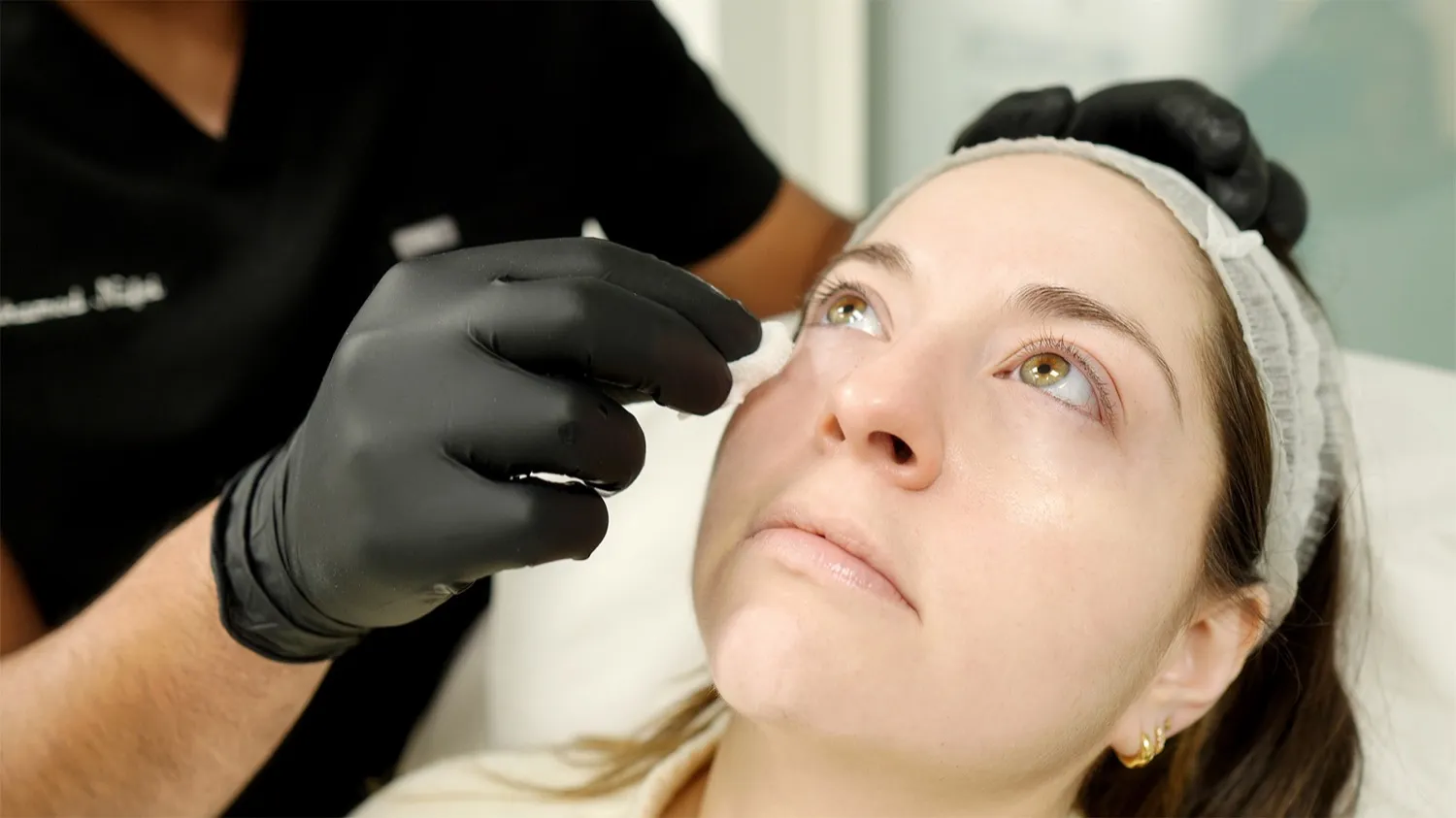
Medically-Led Nasal Contouring Using Advanced Hyaluronic Acid Dermal Fillers — Performed Exclusively by Dr Bruno Amendola
Duration
30-45m30–45 Mins
Sessions
11
Price From
£550£550
Downtime
MinimalMinimal (Mild Swelling for 24–48 Hours)
For patients seeking nose reshaping london without the downtime, general anaesthetic, or permanence of a surgical procedure, a non surgical rhinoplasty london treatment provides a highly effective, medically controlled alternative. Often referred to as a liquid nose job london or simply nose filler london, this procedure utilises high-density Hyaluronic Acid (HA) dermal fillers — typically Juvederm Voluma — to correct asymmetries, smooth dorsal humps, and lift the nasal tip with immediate, visible results.
By strategically placing filler deep onto the nasal bone and cartilage framework, our lead physician alters the light reflection on the nose, creating the optical illusion of a straighter, more refined profile through non surgical nose reshaping london. The entire procedure takes 30–45 minutes in a single session, requires no incisions or cartilage removal, and patients return to normal activities almost immediately. Crucially, all HA fillers used in our clinic are fully reversible with the enzyme Hyaluronidase should any adjustment be required.
At PRP London Clinic, located at 33 Cavendish Square, London W1G 0PW, we approach every nose filler london case with the same clinical rigour as a surgical consultation. This is not a beauty treatment — it is a medical procedure performed in a clinical setting by a physician with over 25 years of experience and a deep understanding of the complex nasal vascular anatomy that makes this one of the highest-risk areas for injectable treatments.
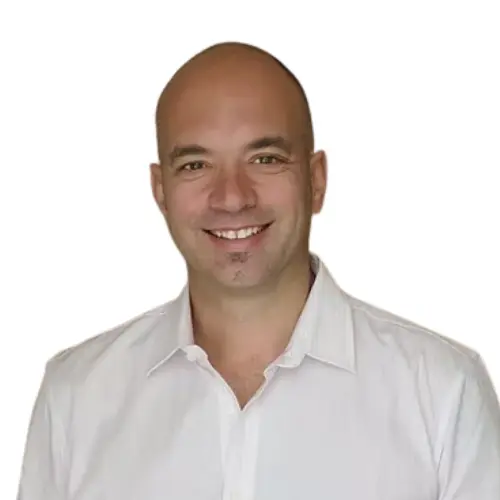
Dr Bruno Amendola
GMC 4346629
The nose contains one of the most complex and high-risk vascular networks in the human body. The angular artery, dorsal nasal artery, and lateral nasal artery form an intricate anastomotic network where even a minor injection error can cause catastrophic vascular compromise. For this reason, non surgical rhinoplasty at our clinic is performed exclusively by Dr Bruno Amendola — the only physician on our clinical board who undertakes this procedure.
Dr Bruno Amendola (GMC: 4346629) brings over 25 years of medical experience to every case. A full member of the British College of Aesthetic Medicine (MBCAM) and Save Face Accredited, Dr Bruno holds an International Postgraduate Degree in Aesthetic Medicine from Rome and has been fully registered in the UK since 1997. His mastery of complex facial anatomy, conservative dosing philosophy, and advanced needle-point technique make him one of the most sought-after physicians for patients seeking the best non surgical rhinoplasty london has to offer.
Every treatment is carried out by a GMC-registered doctor from our medical team.
Dr Bruno Amendola
Aesthetic Doctor · Advanced Injectables & Facial Contouring
Review 9 real non-surgical rhinoplasty before and after cases from our London clinic, all performed by Dr Bruno Amendola. These profile comparisons demonstrate how precisely placed Juvederm Voluma nose filler can straighten the bridge, camouflage a dorsal hump, improve tip projection, and refine selected revision non surgical rhinoplasty london cases — all without surgery. Every case below was treated using a syringe-and-needle technique for point-by-point anatomical precision. Because nasal filler is a high-risk treatment area, careful anatomical knowledge, conservative dosing, and expert technique are essential. Individual anatomy, filler volume, and results vary.
A non surgical nose job is highly versatile, but it works by adding volume, not removing tissue. Dr Bruno uses this optical principle to treat several specific clinical indications at our nose reshaping london clinic:
The most common reason patients seek nose reshaping london. By placing filler above and below a bump on the bridge, Dr Bruno renders the profile objectively straight. This is the classic dorsal hump filler london correction — conservative volumes of 0.3–0.5ml are typically sufficient to camouflage a moderate bump entirely.
A non surgical rhinoplasty crooked nose correction works by filling concavities on one side of the bridge to restore median alignment. This is often requested by patients who have sustained previous nasal trauma or who were born with a deviated nose.
A drooping nasal tip can be lifted by introducing structural support at the base of the columella. Dr Bruno uses small, precise deposits of filler to project the tip upward, creating a more youthful, defined profile angle.
While we cannot shrink cartilage non-surgically, a bulbous tip non surgical rhinoplasty technique places filler strategically to catch the light and visually narrow the appearance of a rounded or wide tip.
Building a higher, more defined nasal bridge is a common request during a non surgical rhinoplasty for wide nose consultation. Filler is layered along the dorsum to add height and definition, particularly effective for patients with flat dorsal profiles.
Patients who present with a broken nose correction often benefit from non-surgical treatment. As demonstrated in our gallery cases, filler can restore harmony and straightness to a nose previously fractured in one or more places.
Understanding exactly what happens during your non surgical rhinoplasty london appointment helps set realistic expectations and reduces anxiety. Here is a detailed overview of Dr Bruno Amendola's clinical approach:
Dr Bruno primarily uses Juvederm Voluma (Vycross technology, manufactured by Allergan) for nasal contouring. Voluma's high G-prime (firmness) rating makes it the gold-standard product for structural support on the nasal bridge and tip, where the filler must resist gravitational spread. In select cases, Teosyal or Restylane products may be used depending on the patient's anatomy and treatment goals.
Unlike many aesthetic clinics, Dr Bruno employs a precise needle-point technique for non-surgical rhinoplasty rather than a cannula approach. This involves 2–4 carefully mapped injection points along the nasal anatomy, allowing for millimetre-level control over filler placement. Each deposit is small (typically 0.05–0.15ml per point), and the total volume used is conservative — most patients require only 0.3–0.6ml in total, with more complex cases occasionally requiring up to 1ml.
The procedure takes 30–45 minutes from start to finish. This includes the clinical assessment, topical numbing, filler application, and an immediate post-treatment review. Results are visible immediately upon injection.
Every non surgical rhinoplasty london treatment at PRP London Clinic follows a structured, medically governed clinical protocol. Here is what to expect from your initial consultation through to your follow-up review:
Your journey begins with a thorough one-on-one consultation with Dr Bruno Amendola. He will assess your nasal anatomy from multiple angles, discuss your aesthetic goals, review your medical history (including any previous nasal surgery or trauma), and determine whether you are a safe candidate for non-surgical rhinoplasty. This is also the time to discuss realistic expectations — Dr Bruno will be transparent about what filler can and cannot achieve for your specific anatomy.
Dr Bruno performs a detailed facial analysis, examining your nose in the context of your overall facial proportions. He identifies the specific areas requiring correction — dorsal hump, tip projection, asymmetry, or bridge augmentation — and maps the precise injection points. The filler product (typically Juvederm Voluma), volume, and technique are determined based on this analysis.
A topical numbing cream is applied to the nasal skin and left in place for 15–20 minutes to ensure maximum comfort during the procedure. The dermal filler itself also contains integrated lidocaine, providing an additional layer of anaesthesia during injection.
Using a needle-point technique, Dr Bruno injects small deposits of Hyaluronic Acid filler at 2–4 pre-mapped points along the nasal anatomy. Each deposit is typically 0.05–0.15ml, with aspiration testing performed at each point to confirm the needle is not within a blood vessel. The total volume is conservative — most patients require 0.3–0.6ml. Results are visible immediately as each point is injected.
After injection, Dr Bruno gently moulds and sculpts the filler into its final position. He assesses symmetry from multiple angles — front, profile, three-quarter — and makes any micro-adjustments needed. The patient is shown the result using a mirror for immediate feedback.
Detailed written aftercare instructions are provided covering the first 48 hours and 2 weeks post-treatment. Dr Bruno reviews key precautions: avoid touching the nose, no heavy glasses, no strenuous exercise for 24 hours, and sleep on your back. A complimentary 2-week follow-up appointment is scheduled for assessment and any fine-tuning.
At your complimentary 2-week clinical review, Dr Bruno assesses how the filler has integrated with the tissue, checks for any settling asymmetry, and determines whether a small touch-up is required to achieve the optimal result. This follow-up is a standard part of the treatment protocol, ensuring every patient achieves the best possible outcome.
We receive a significant number of enquiries from patients who are unhappy with nose filler received elsewhere — whether from beauty salons, non-medical practitioners, or clinics that lacked the anatomical expertise required for safe nasal injections. Common issues include visible lumps, asymmetric placement, overfilling, filler migration, and in some cases, vascular compromise that was not managed correctly.
Dr Bruno Amendola can assess these cases on an individual basis. Depending on the clinical situation, correction may involve:
If you are searching for revision non surgical rhinoplasty london to correct work from another provider, please book a clinical assessment. We will give you an objective, honest opinion on what is and is not achievable.
One of the most common questions we receive at our nose reshaping london clinic is whether a patient should choose a non surgical nose job or commit to a full surgical rhinoplasty. Both have distinct clinical advantages and limitations:
| Factor | Non-Surgical Rhinoplasty | Surgical Rhinoplasty |
|---|---|---|
| Procedure Time | 30–45 minutes | 1.5–3 hours under general anaesthetic |
| Anaesthesia | Topical numbing cream + lidocaine in filler | General anaesthetic |
| Downtime | Minimal — mild swelling for 24–48 hours | 1–2 weeks off work; splint for 7–10 days; full healing 6–12 months |
| Results Duration | 12–18 months (requires maintenance) | Permanent |
| Reversibility | Fully reversible with Hyaluronidase | Irreversible without revision surgery |
| What It Can Do | Add volume, smooth bumps, lift tip, correct asymmetry | Add or remove tissue, reduce size, restructure cartilage, correct breathing |
| What It Cannot Do | Physically reduce nose size or correct breathing issues | N/A — can address almost all nasal concerns |
| Risk Profile | Low overall; vascular occlusion is the primary serious risk | Infection, scarring, anaesthesia risks, revision rate of 5–15% |
| Cost | Lower per session; cumulative over time | Higher upfront; one-time investment |
For patients wanting to 'trial' a new nose shape before committing to surgery, a non surgical rhinoplasty london procedure offers the ideal opportunity to visualise potential results with zero permanence. Conversely, patients requiring significant size reduction or structural changes to cartilage and bone are better served by a surgical rhinoplasty consultation.
When evaluating the cost of non surgical rhinoplasty, patients are investing in the medical expertise, anatomical knowledge, and safety protocols of the performing physician — not simply a syringe of product. The nose filler london price reflects the high-risk nature of this procedure and the advanced training required to perform it safely.
Because every nasal anatomy is unique, exact pricing for your non surgical nose job london cost is provided following a thorough, in-person clinical assessment with Dr Bruno Amendola. This ensures you receive an honest recommendation based on your anatomy, not a one-size-fits-all price list.
Patients frequently ask our medical team: is non surgical rhinoplasty safe? When performed by an extensively trained aesthetic physician with deep anatomical knowledge, the safety profile is favourable. A 2021 meta-analysis by DeVictor et al. (Otolaryngology—Head & Neck Surgery) analysed 8,604 patients and found an overall complication rate of just 2.52%, with the vast majority being minor bruising. However, this is fundamentally a high-risk injection zone and patients must be fully informed.
Standard non surgical rhinoplasty side effects include temporary redness, minor swelling, and mild tenderness for 24–48 hours post-treatment. Bruising may occur at needle entry points and typically resolves within 5–7 days.
The most severe complication associated with nasal injections is a vascular occlusion — where filler inadvertently enters or compresses a blood vessel. If unmanaged, this can lead to skin necrosis or, in extremely rare global cases, visual disturbance. The DeVictor meta-analysis reports vessel occlusion at 0.35% and vision-related events at 0.09% across all studied cases. To mitigate these non surgical rhinoplasty risks, Dr Bruno utilises:
Proper aftercare following your non surgical rhinoplasty london treatment is essential to optimise results and minimise the risk of complications. Dr Bruno provides every patient with detailed written aftercare instructions. Key guidelines include:
All non-surgical rhinoplasty patients are invited back for a complimentary 2-week clinical review with Dr Bruno. This appointment allows him to assess how the filler has settled, check for any asymmetry, and determine whether a small touch-up is required. Fine-tuning at this stage is part of the treatment process, not an indication of an unsatisfactory initial result.
| Ideal Candidate | May Need an Alternative Approach |
|---|---|
| Dorsal hump, bump, or curve on the bridge you want smoothed or straightened | Wanting your nose to be physically smaller — filler only adds volume, not removes tissue |
| Drooping nasal tip that needs subtle lifting and projection | Significant functional breathing issues or deviated septum (requires ENT/surgical assessment) |
| Crooked or asymmetric nose requiring improved alignment | Previous surgical rhinoplasty with significantly altered blood supply (high vascular occlusion risk) |
| Flat nasal bridge wanting added height and definition | Active infection, inflammation, or cold sores in the nasal area |
| Wanting to trial a nose shape change before committing to permanent surgery | Pregnant, breastfeeding, or known allergy to hyaluronic acid |
| Post-traumatic irregularities from a previous nasal fracture | Unrealistic expectations — this procedure refines profiles, it does not transform nose size |
| Previous surgical rhinoplasty patient unhappy with result (assessed case-by-case) | Seeking permanent results without maintenance (surgical rhinoplasty may be more appropriate) |
Patient safety is our primary clinical directive. Due to the severe non surgical rhinoplasty risks associated with compromised nasal vasculature, Dr Bruno Amendola will decline to treat patients who present with specific contraindications:
All information on this page is provided for educational purposes and does not constitute medical advice. Non-surgical rhinoplasty is a medical procedure that carries inherent risks including, but not limited to, vascular occlusion, bruising, swelling, asymmetry, and in rare cases, tissue necrosis or visual disturbance. Individual results vary based on anatomy, skin quality, and clinical history. A full clinical assessment with Dr Bruno Amendola is required to determine suitability. All before-and-after photographs show real patients treated at PRP London Clinic; results are not guaranteed. This page was last medically reviewed on 28 March 2026.
PRP London Clinic is located at 33 Cavendish Square, London W1G 0PW — in the heart of London's medical district, moments from Oxford Circus and Bond Street stations. Our clinical premises provide a private, discreet medical environment for all nose filler london and non surgical rhinoplasty london consultations and treatments.
Whether you are searching for non surgical rhinoplasty near me london, nose reshaping clinic london, or the best non surgical rhinoplasty london has available, we invite you to experience the difference that genuine medical expertise makes. Every patient receives a thorough clinical assessment before any treatment is recommended or performed.
If you are considering nasal profile refinement without the commitment of surgery, schedule a consultation with Dr Bruno Amendola at our Cavendish Square clinic. We will provide an honest, objective assessment of your anatomy to determine if you are a safe and suitable candidate for non-surgical rhinoplasty. Our approach is always conservative — we will never recommend treatment that is not in your clinical best interest.
Filler only adds volume — it cannot remove tissue. However, by straightening a bump, lifting the tip, or adding bridge height, the optical illusion created often makes the nose appear more proportionate and subjectively smaller relative to surrounding facial features.
The nose has a highly complex, end-artery blood supply involving the angular, dorsal nasal, and lateral nasal arteries. A 2021 meta-analysis of 8,604 patients reported vascular occlusion in 0.35% of cases and vision-related events in 0.09%. This is a high-risk medical procedure that should only be performed by an experienced GMC-registered physician who can diagnose and manage vascular complications immediately.
Non-surgical rhinoplasty is entirely aesthetic. It alters the external contours of the nose but has zero impact on internal structures like a deviated septum. Patients with breathing difficulties should be assessed by an ENT specialist.
While less invasive than surgery, the nose is one of the highest-risk areas for injectable treatments due to its vascular anatomy. Vascular occlusion, though rare, can have serious consequences including tissue necrosis. This is precisely why we restrict this treatment to Dr Bruno Amendola — a physician with 25+ years of experience and advanced anatomical training.
When performed correctly with the appropriate high G-prime filler (such as Juvederm Voluma) and injected at the correct tissue depth, nasal filler has one of the lowest migration rates of any facial area. The nose is largely static with minimal muscle movement, which helps the filler maintain its position. Results typically last 12–18 months.
Product quality directly affects safety and outcomes. Premium CE-marked HA fillers from established pharmaceutical manufacturers have undergone rigorous clinical testing. Cheaper, unbranded fillers carry higher risks of granulomas, migration, and adverse reactions. The clinical setting and physician expertise are equally critical — a beauty salon is not equipped to manage a vascular emergency.
| Treatment | Price |
|---|---|
| Non-Surgical Rhinoplasty Per session. Medically-led nasal contouring using premium hyaluronic acid filler. | £550per treatment |
Prices are indicative. Please book a consultation for a personalised quote.
Jasin (2013): Nonsurgical Rhinoplasty Using Dermal Fillers
M.E. Jasin · Facial Plastic Surgery Clinics of North America, 2013PMID: 23731585
Supports: Review outlining nonsurgical rhinoplasty as a viable alternative to surgery using newer injectable fillers with less immunogenicity and greater longevity. Covers surgical anatomy relevant to injection planning, filler selection properties, treatable nasal deformities (dorsal humps, tip ptosis, contour irregularities), and the role of injectables in post-rhinoplasty correction.
Limitations: Narrative review, not a clinical trial. No quantitative efficacy or safety data. Published 2013; filler technology and techniques have advanced since.
View on PubMed →DeVictor, Ong & Sherris (2021): Complications Secondary to Nonsurgical Rhinoplasty — A Systematic Review and Meta-Analysis
S. DeVictor, A.A. Ong, D.A. Sherris · Otolaryngology—Head and Neck Surgery, 2021PMID: 33588622
Supports: Meta-analysis of 37 publications (23 cohort studies, 14 case reports, 8,604 patients). Overall adverse outcome rate 2.52%. Most common: bruising (1.58%), hematoma (0.13%). Major complications rare: vessel occlusion (0.35%), vision loss (0.09%), skin necrosis (0.08%), infection (0.07%). Confirms nonsurgical rhinoplasty with injectable fillers is safe overall.
Limitations: Includes case reports alongside cohort studies. Further studies needed to optimise filler delivery techniques to decrease adverse outcome rates.
View on PubMed →Kumar et al. (2021): Non-Surgical Rhinoplasty Using Hyaluronic Acid Dermal Fillers — A Systematic Review
V. Kumar, A. Jain, S. Atre, D. Shome, R. Kapoor, K. Doshi, S. Vadera · Journal of Cosmetic Dermatology, 2021PMID: 33900020
Supports: Systematic review of 11 studies (2,896 citations screened, 2005-2021) showing average patient satisfaction >90% for non-surgical rhinoplasty with HA fillers. Confirms it as a good, minimally invasive alternative to conventional rhinoplasty. Temporary complications: transient oedema, erythema, post-injection pain, bruising. Rare: vascular impairment, haematoma.
Limitations: Paucity of quality experimental and prospective data. Heterogeneous study designs and outcome measures across included studies.
View on PubMed →Jalali (2024): Nonsurgical Rhinoplasty Using the HA Filler VYC-25L — Safety and Patient Satisfaction in 492 Patients
A. Jalali · Journal of Cosmetic Dermatology, 2024PMID: 37740484
Supports: Retrospective analysis of 492 consecutive patients (984 sessions, mean follow-up 11.1 months). FACE-Q scores: 90.2% Satisfaction with Nose, 99.2% Satisfaction with Outcome. No cases of necrosis, blindness, lumps, granuloma, or delayed-onset nodules. Vascular occlusion (0.6%) resolved with hyaluronidase.
Limitations: Retrospective single-injector study. Single filler product (VYC-25L/Vycross). Bruising in 25% and residual asymmetry in 3.7% of patients.
View on PubMed →*PRP London Clinic provides these references for educational purposes. Our Clinical Board regularly reviews emerging peer-reviewed literature to ensure our protocols align with the latest advancements in regenerative medicine.
Your treatment will be performed by one of our qualified medical professionals
Highly sought-after aesthetic physician with decades of medical experience, inte...
ProfileBook your consultation today and take the first step towards your transformation.
Book ConsultationVerified Clinical Reputation
Ruby K
19 Jan 2026
Norin Hanifi
19 Jan 2026
Dominique Heslop
13 Jan 2026
lloyda221
06 Jan 2026
Mane Authority
06 Jan 2026
Victor Contreras Guerra
4 months ago
A A
5 months ago
harris jan
3 months ago
Independent Patient Feedback
Read all verified stories →As a GMC-regulated practice, a mandatory consultation is required for all new patients to assess suitability and clinical need. This treatment may not be appropriate for everyone. All procedures are performed by GMC-registered doctors whose credentials can be verified on the official GMC register.
by Juvéderm
Premium cross-linked hyaluronic acid dermal filler range with VYCROSS® technology for smooth, long-lasting facial volumisation and contouring.
by Restylane
Stabilised hyaluronic acid dermal filler range using NASHA® and OBT™ technology for natural-looking facial volumisation, contouring, and skin rejuvenation.
by Revolax
High-purity, cross-linked hyaluronic acid dermal filler range manufactured using advanced Bio-Cell technology for smooth injection and natural results.
This technical specification is provided for informational purposes only. All medical devices and substances are used exclusively by GMC-registered practitioners at PRP London Clinic. Individual results may vary.