Hair Loss & Thinning Hair
What Is Hair Loss? The hair growth cycle: Anagen (growth), Catagen (transition), and Telogen (resting/shedding) Hair loss—medically termed alopecia—refers to the partial or complete loss of hair from areas where it normally grows. While losing 50-100 hairs per day is completely normal as part of the hair growth cycle, hair loss becomes a concern when shedding exceeds regrowth, or when follicles stop producing new hair altogether. Hair loss affects an estimated 6.5 million men and 8 million women in the UK, making it one of the most common aesthetic concerns we treat.
Content Author & Reviewer
PRP London Clinic Medical Team
GMC-Registered Medical Professionals
Our team of GMC-registered medical professionals collaboratively review all medical content to ensure clinical accuracy and provide evidence-based information for patient education.


Last reviewed: March 12, 2026
What Is Hair Loss?

What Causes Hair Loss?
- Genetics (Androgenetic Alopecia) — The most common cause, affecting both men and women. DHT (dihydrotestosterone) miniaturises hair follicles over time.
- Hormonal Changes — Pregnancy, childbirth, menopause, PCOS, and thyroid disorders can all trigger or accelerate hair loss.
- Stress & Trauma — Physical or emotional stress can push follicles into the resting phase (telogen effluvium), causing diffuse shedding 2-3 months later.
- Nutritional Deficiencies — Iron, ferritin, vitamin D, B12, and protein deficiencies are commonly linked to hair thinning.
- Medical Conditions — Autoimmune disorders (alopecia areata), scalp infections, and chronic illnesses can cause hair loss.
- Medications — Certain drugs including blood thinners, antidepressants, and hormonal treatments can trigger shedding.
- Styling Damage — Tight hairstyles (traction alopecia), chemical treatments, and heat styling can damage follicles over time.
Can Hair Loss Be Reversed?
- Reversible: Telogen effluvium, nutritional deficiencies, and some medication-induced hair loss often resolve once the underlying cause is addressed.
- Treatable: Androgenetic alopecia (male and female pattern) can be significantly improved with regenerative treatments like PRP and Exosomes—especially when caught early.
- Manageable: Alopecia areata is unpredictable but often responds to treatment. Traction alopecia can be halted and sometimes reversed if styling habits change.
- Limited: Long-standing baldness where follicles have scarred or died cannot be regenerated—this is why early intervention matters.
Our "No Follicle, No Benefit" Rule: Regenerative treatments like PRP and Exosomes work by stimulating existing (even dormant) follicles. If follicles have completely scarred or died, these treatments cannot create new ones. This is why we use digital trichoscopy to assess follicle viability before recommending treatment.
Our Diagnostic-First Approach
- Digital Trichoscopy — Microscopic scalp analysis to assess follicle density, miniaturisation, and viability
- Pattern Assessment — Classification using the Norwood-Hamilton Scale (men) or Ludwig Scale (women)
- Medical History Review — Identifying hormonal, nutritional, or medication-related factors
- Blood Tests — When indicated, to check iron, ferritin, thyroid function, and hormones
Who Experiences This Condition?
Common in
- •Men over 30 (50% experience some hair loss by age 50)
- •Women experiencing hormonal changes (pregnancy, menopause, PCOS)
- •Those with a family history of baldness on either side
- •People under chronic physical or emotional stress
- •Individuals with autoimmune conditions
- •Those with nutritional deficiencies (iron, B12, vitamin D)
- •People who use tight hairstyles or chemical treatments regularly
- •Patients on certain medications (blood thinners, antidepressants, hormonal drugs)
Factors Affecting Severity
- •Genetic predisposition and family pattern of baldness
- •How early treatment is started (earlier = better outcomes)
- •Type of hair loss (some types more treatable than others)
- •Underlying hormonal or medical conditions
- •Nutritional status and overall health
- •Stress levels and lifestyle factors
- •Whether follicles are still viable or have scarred
Types of Hair Loss We Treat
Understanding your specific type of hair loss is essential for effective treatment. Different types have different causes—and respond to different approaches.
Androgenetic Alopecia (Male Pattern Baldness)

The most common type, affecting over 50% of men by age 50. Caused by genetic sensitivity to DHT (dihydrotestosterone), which miniaturises hair follicles over time. Characterised by a receding hairline forming an M-shape and thinning at the crown. Progressive but highly treatable in early-to-mid stages.
Treatment approach: PRP for Hair Loss as primary treatment. For advanced or stubborn cases, Exosomes + PRP combination.
Androgenetic Alopecia (Female Pattern Hair Loss)
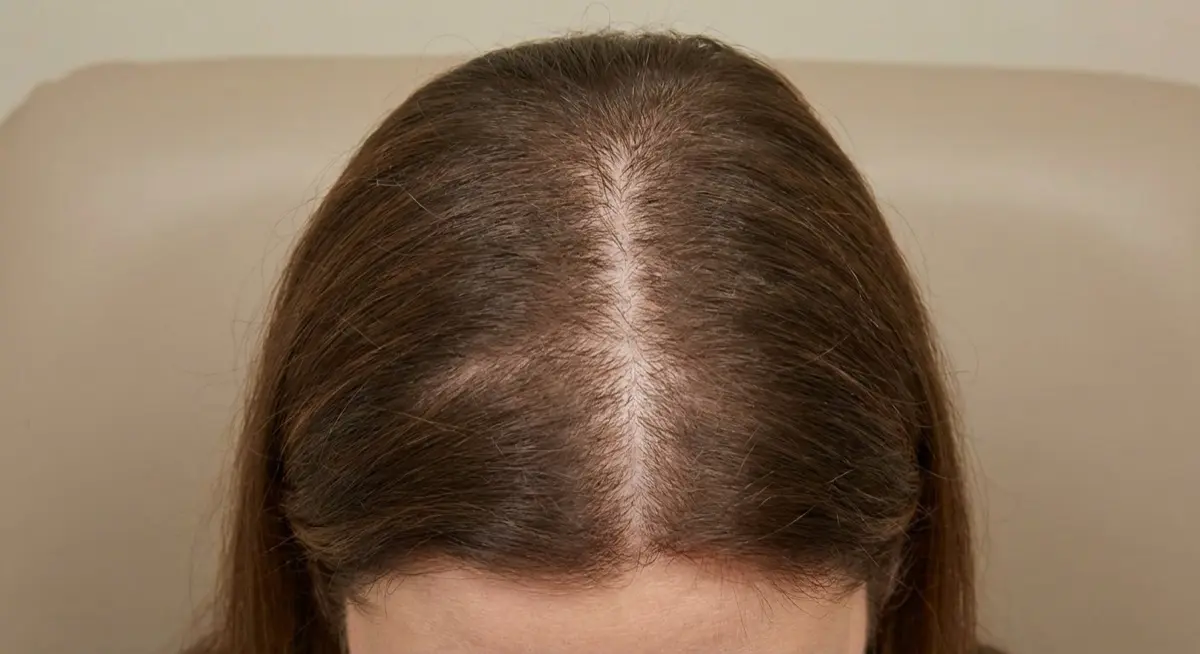
Affects around 40% of women by age 50. Unlike men, women typically experience diffuse thinning across the crown and top of the scalp, with the frontal hairline usually preserved. The part line widens progressively. Often linked to hormonal changes (menopause, PCOS).
Treatment approach: PRP or AnteAGE Biosomes to target the diffuse pattern.
Alopecia Areata
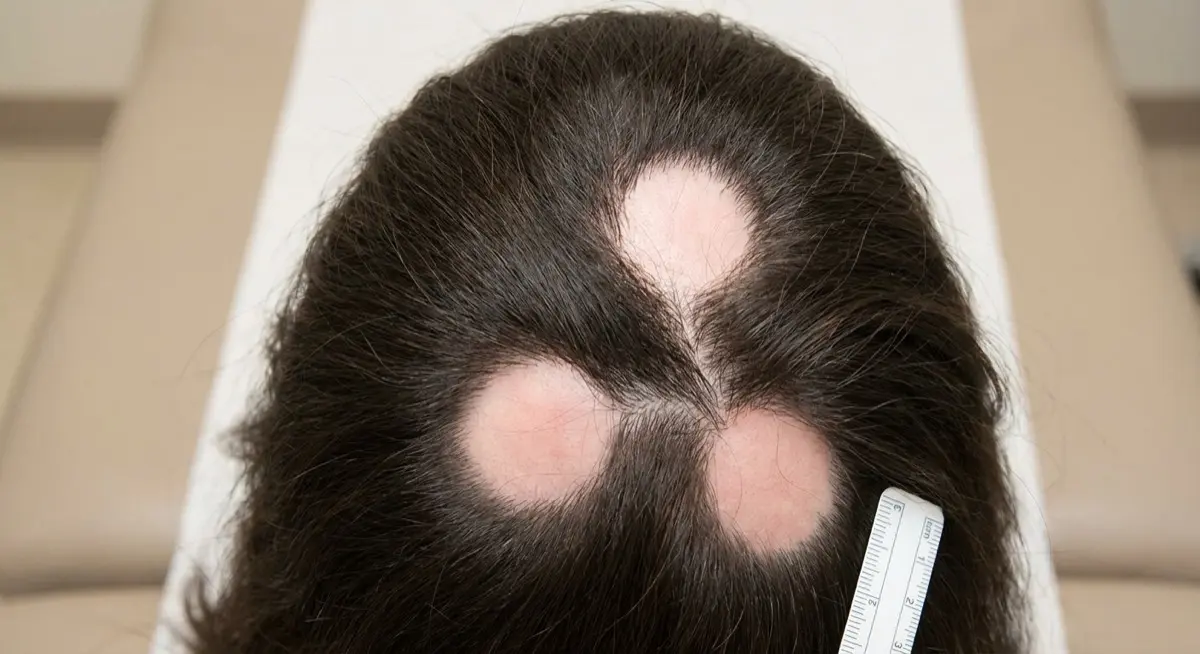
An autoimmune condition where the immune system attacks hair follicles, causing round, smooth bald patches. Can occur at any age. Unpredictable—hair may regrow spontaneously or patches may expand. In severe cases, can progress to total scalp hair loss (alopecia totalis) or body hair loss (alopecia universalis).
Treatment approach: PRP therapy may help stimulate regrowth. Often requires specialist dermatology input.
Telogen Effluvium
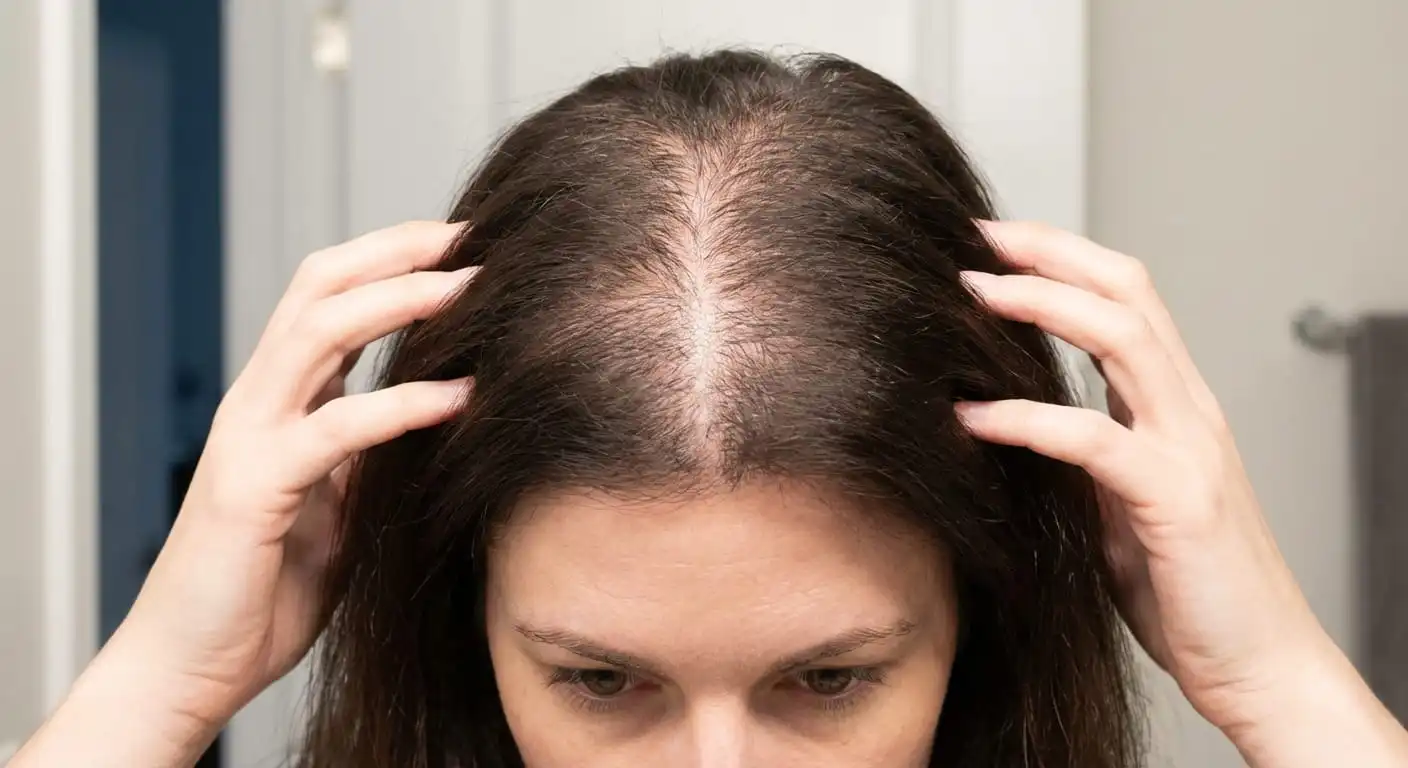
A temporary but often alarming condition where a significant percentage of hair follicles enter the resting (telogen) phase simultaneously, leading to diffuse shedding 2-3 months after a triggering event. Common triggers include childbirth, surgery, severe illness, crash dieting, and extreme stress. Usually self-limiting once the trigger is addressed.
Treatment approach: Identify and address the underlying cause. PRP can accelerate recovery and support the regrowth cycle.
Traction Alopecia
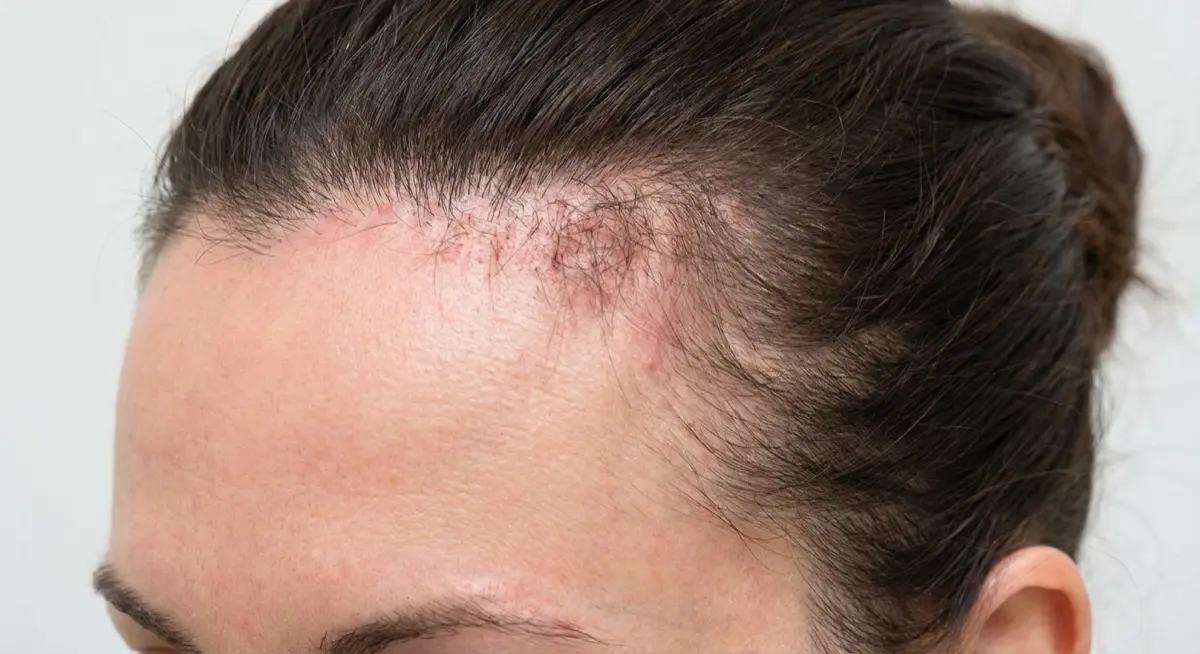
Hair loss caused by chronic tension on the hair follicles from tight hairstyles—braids, cornrows, weaves, tight ponytails, or hair extensions. Most commonly affects the hairline and temples. If caught early, it's reversible by changing styling habits. If the traction continues, follicles can scar permanently.
Treatment approach: Change styling habits immediately. PRP can help restore damaged follicles if they haven't scarred.
PCOS-Related Hair Loss
Polycystic Ovary Syndrome causes elevated androgens, leading to a pattern similar to female androgenetic alopecia but often with additional symptoms (acne, irregular periods, weight gain). Requires hormonal management alongside regenerative treatment.
Treatment approach: Address hormonal imbalance with medical support, then PRP therapy.
Postpartum Hair Loss
A form of telogen effluvium triggered by the hormonal shift after childbirth. Usually begins 2-4 months postpartum and resolves within 6-12 months. Can be distressing but is almost always temporary.
Treatment approach: Usually self-resolving. PRP can accelerate recovery if shedding is prolonged.
Not sure which treatment is right for your hair loss? Take our quick 3-question assessment.
The Norwood-Hamilton Scale: Grading Male Pattern Hair Loss
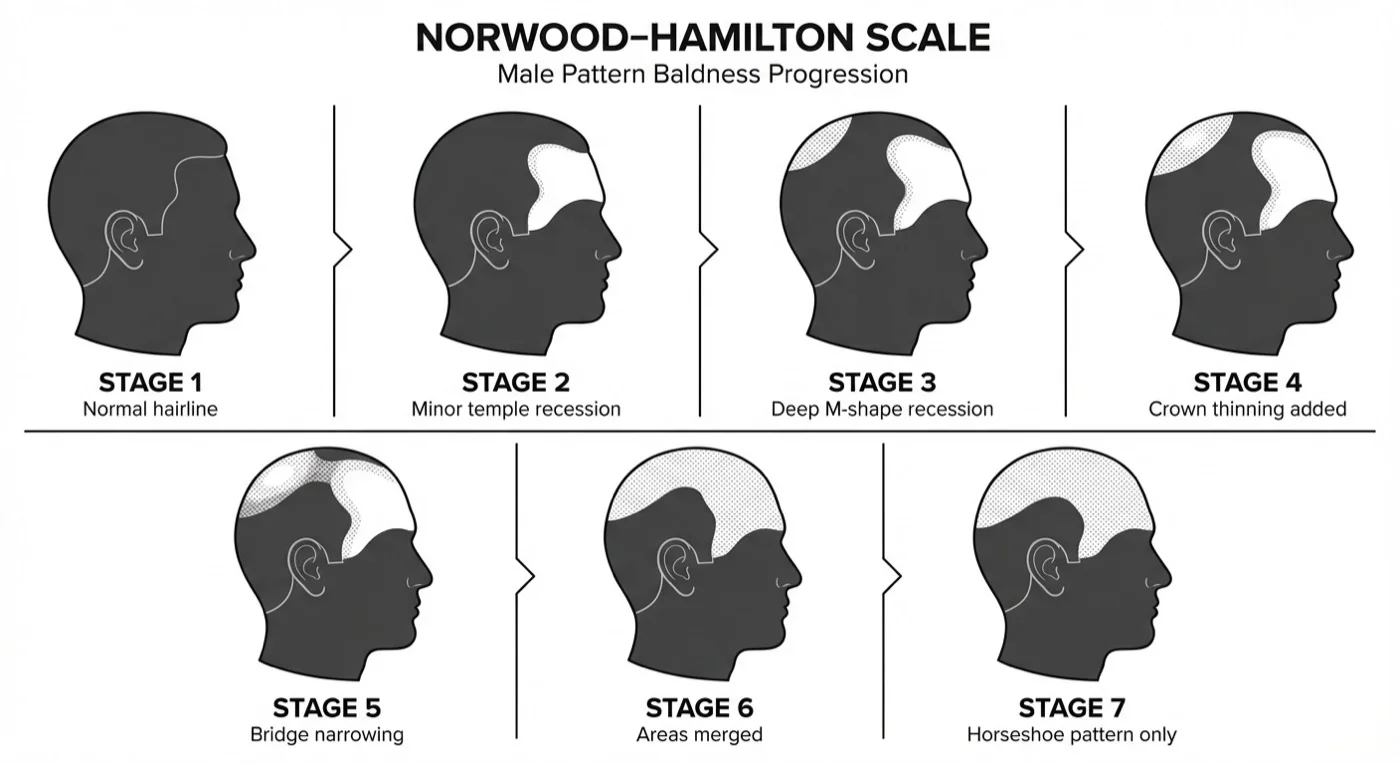
Which Stages Respond Best to Treatment?
| Norwood Stage | Treatment Potential | Expected Outcome |
|---|---|---|
| Stages 2-3 | Excellent | Best candidates. Significant improvement in density and slowing of progression. |
| Stages 4-5 | Good | Noticeable improvement possible. May need combination protocols. |
| Stages 6-7 | Limited | May improve remaining hair quality. Cannot regrow hair where follicles have died. |
During your consultation, we'll assess your Norwood stage using digital trichoscopy and provide honest guidance on what results are achievable for YOU.
The Ludwig Scale: Grading Female Pattern Hair Loss
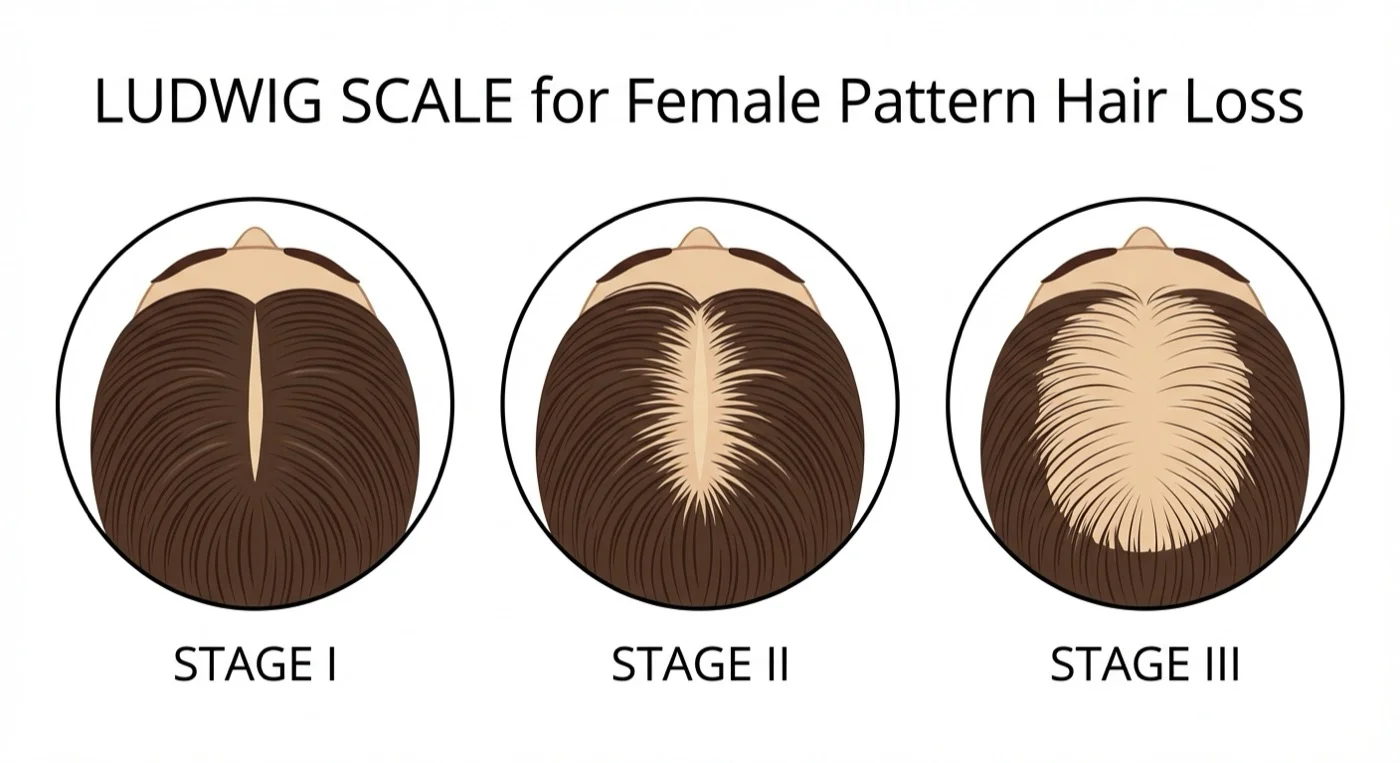
Treatment Response by Ludwig Stage
| Ludwig Stage | Treatment Potential | Recommended Approach |
|---|---|---|
| Stage I | Excellent | PRP or Biosomes |
| Stage II | Good | Exosomes + PRP combination |
| Stage III | Moderate | Combination protocols. Realistic expectations essential. |
Female pattern hair loss often responds well to regenerative treatments, especially when combined with addressing any underlying hormonal factors.
Why Won't My Hair Loss Stop? Understanding the Cycle
What Home Remedies CAN'T Do
There's a multi-billion pound industry selling hope to people with hair loss. The reality:
- Thickening shampoos — May temporarily coat the hair shaft but cannot stimulate follicles or stop DHT
- Biotin supplements — Only help if you're deficient (rare). Will not stop androgenetic alopecia.
- Scalp serums — Most cannot penetrate to the follicle level where hair loss occurs
- Essential oils — Limited evidence. May improve scalp health but won't reverse pattern baldness.
- Laser combs/caps — Some evidence for LLLT, but results modest compared to regenerative treatments
Why Pattern Hair Loss Is Progressive
In androgenetic alopecia, the hormone DHT (dihydrotestosterone) binds to genetically sensitive follicles, causing them to miniaturise with each growth cycle. The hair becomes finer and shorter until eventually the follicle stops producing visible hair altogether. This process is ongoing—which is why hair loss continues without intervention.
The "Point of No Return"
A follicle that has been miniaturised but is still alive (even if producing only fine vellus hair) can potentially be revived with treatments like PRP or Exosomes. However, a follicle that has completely died and scarred over cannot be regenerated—this is why early intervention is so important.
What Actually Works
Evidence-based treatments for hair loss include:
- Regenerative therapies (PRP, Exosomes, Biosomes) — Deliver growth factors directly to follicles
- DHT blockers (Finasteride, Dutasteride) — Prescription medications that reduce DHT levels
- Minoxidil — Topical treatment that extends the growth phase and improves blood flow
- RF Microneedling (Sylfirm X) — Improves scalp circulation and delivery of growth factors
A combination approach—addressing the cause AND stimulating follicles—typically yields the best results.
Hair Loss & London Living: Environmental Factors
Hard Water
London has some of the hardest water in the UK, with high concentrations of calcium and magnesium. While hard water doesn't directly cause hair loss, it can:
- Leave mineral deposits on the scalp, potentially clogging follicles
- Make hair feel dry, brittle, and more prone to breakage
- Reduce the effectiveness of shampoos and treatments
- Contribute to scalp irritation in some individuals
Consider: A shower filter can reduce mineral deposits; clarifying shampoos help remove buildup.
Urban Pollution
Airborne pollutants (PM2.5, PM10) from traffic and industry don't just affect your lungs—they affect your scalp. Research shows pollution particles can:
- Trigger oxidative stress that damages follicles
- Cause scalp inflammation
- Potentially accelerate hair thinning in genetically predisposed individuals
Central Heating & Air Conditioning
London's indoor environments—offices, flats, the Tube—tend to have dry, recirculated air. This can:
- Dry out the scalp, leading to irritation
- Make hair more brittle and prone to breakage
- Exacerbate existing scalp conditions
The Underground
The Tube combines heat, poor air quality, crowds, and stress—not ideal for hair health. The daily commute adds chronic low-level stress that, over time, may contribute to telogen effluvium in susceptible individuals.
City Lifestyle Factors
High-stress careers, irregular schedules, poor diet due to convenience eating, and limited sleep—common in London's fast-paced environment—all contribute to hair health. Stress remains one of the most underestimated factors in hair loss.
These environmental factors make professional treatment even more valuable for Londoners—homecare alone often can't overcome the cumulative burden on your hair and scalp.
Hair Loss Treatment Guide: Options by Type & Stage
| Condition / Stage | Recommended Treatments | Why It Works |
|---|---|---|
| Male Pattern Norwood 2-4 | PRP for Hair Loss | 93-97% platelet recovery stimulates dormant follicles |
| Female Pattern Ludwig I-II | PRP or Biosomes | Growth factors target diffuse thinning pattern |
| Advanced / Stubborn Norwood 4-5, Ludwig II-III | Exosomes + PRP | Dual regenerative mechanism for maximum stimulation |
| Scalp Inflammation Poor circulation | Sylfirm X + PRP | RF improves vascularity, reduces inflammation, enhances PRP delivery |
| Telogen Effluvium Post-stress shedding | PRP or Biosomes | Accelerates recovery, supports regrowth cycle |
| PCOS / Hormonal | PRP + Hormonal management | Address root cause + regenerative support |
| Maximum Results Multi-modal approach | Exosomes + PRP or Biosomes + PRP | Combination protocols for synergistic regeneration |
Educational Information Only: This guide is for informational purposes only and does not constitute medical advice. Treatment recommendations are made only after a face-to-face consultation and examination by a GMC-registered doctor, taking into account your medical history, hair loss type and stage, and individual goals.
Why Choose PRP London Clinic for Hair Loss
At PRP London Clinic, we take a fundamentally different approach to hair loss treatment:
Diagnostic-First Philosophy We don't sell treatments—we diagnose patients. Every consultation begins with digital trichoscopy to assess follicle density and viability. We follow a strict "No Follicle, No Benefit" policy—we only recommend treatment when there's genuine potential for improvement.
Endocrinology-Informed Protocols Our clinical protocols are led by Dr. Mohamed Nafei (GMC: 7520509), whose background includes a PgDip in Endocrinology. This expertise is crucial for hair loss—hormonal factors drive most cases, and understanding DHT, thyroid function, and female hormones directly impacts treatment success.
The Rein PRP™ Advantage We use the Rein PRP System—a CE Class IIB, ISO 13485:2016 certified device achieving 93-97% platelet recovery rates. This means a higher concentration of growth factors delivered to your follicles compared to standard aesthetic PRP systems.
Multiple Treatment Modalities We offer the full spectrum of regenerative hair treatments—PRP, Exosomes, Biosomes, Sylfirm X, and combination protocols—allowing us to tailor the approach to YOUR specific needs rather than offering a single solution.
Honest Expectations We provide realistic assessments. If your hair loss is too advanced for regenerative treatment, we'll tell you honestly. We won't promise what we can't deliver—and we won't take your money for treatments that won't work for you.
GMC-Registered Medical Team All treatments are performed by GMC-registered doctors with specialist training in regenerative medicine. Hair loss treatment is a medical procedure—it should be performed by medical professionals.
Treatment Process
Our hair loss treatment protocol is tailored to your specific diagnosis:
Foundation: Identify & Address Root Causes Before any procedure, we identify contributing factors—nutritional deficiencies, hormonal imbalances, or lifestyle factors—that need to be addressed alongside treatment.
Regenerative Treatments by Hair Loss Type:
- Male Pattern (Norwood 2-4): PRP for Hair Loss as primary treatment. For stubborn cases, Exosomes + PRP Combination.
- Female Pattern (Ludwig I-II): PRP or AnteAGE Biosomes to target diffuse thinning at the crown.
- Telogen Effluvium: Address underlying cause first, then PRP to accelerate recovery and support the regrowth cycle.
- Scalp Inflammation/Poor Circulation: Sylfirm X to improve vascularity, reduce inflammation, then layer with PRP.
- PCOS/Hormonal: Hormonal management alongside PRP therapy for regenerative support.
- Maximum Results: Exosomes + PRP or Biosomes + PRP combination protocols.
Maintenance Protocol Hair loss is often progressive. We recommend maintenance sessions (typically every 6-12 months) to sustain results, along with appropriate homecare and lifestyle modifications.
Diagnosis & Assessment
Hair loss diagnosis begins with understanding your specific pattern and cause. Our specialists use digital trichoscopy—a microscopic scalp imaging technique—to assess follicle density, miniaturisation, and viability. We classify male pattern baldness using the Norwood-Hamilton Scale (stages 1-7) and female pattern hair loss using the Ludwig Scale (stages I-III). A detailed medical history helps identify hormonal, nutritional, or medication-related factors. When indicated, we recommend blood tests to check iron, ferritin, thyroid function, vitamin D, and hormones. This thorough assessment ensures we recommend treatments that will actually work for YOUR type of hair loss—not a generic approach that wastes time and money.
Prevention & Management
Lifestyle Tips
- •Address nutritional deficiencies — ensure adequate iron, protein, and vitamins
- •Manage stress — chronic stress triggers telogen effluvium
- •Avoid tight hairstyles — traction damages the hairline over time
- •Treat underlying conditions — thyroid, PCOS, and autoimmune disorders
- •Seek treatment early — the sooner you start, the more follicles can be saved
Home Care
- •Use gentle, sulphate-free shampoos
- •Consider minoxidil if recommended by your doctor
- •Scalp massage may improve circulation (evidence limited but low risk)
- •Protect scalp from sun damage
- •Avoid excessive heat styling and chemical treatments
Not Sure Which Hair Loss Treatment is Right for You?
Our 3-question self-assessment helps match your hair loss pattern and goals to the ideal treatment pathway. Results are educational only—your consultation will confirm the best approach.
Verified Clinical Reputation
Ruby K
19 Jan 2026
Norin Hanifi
19 Jan 2026
Dominique Heslop
13 Jan 2026
lloyda221
06 Jan 2026
Mane Authority
06 Jan 2026
Victor Contreras Guerra
4 months ago
A A
5 months ago
harris jan
3 months ago
Independent Patient Feedback
Verify on Google Reviews →