Overview
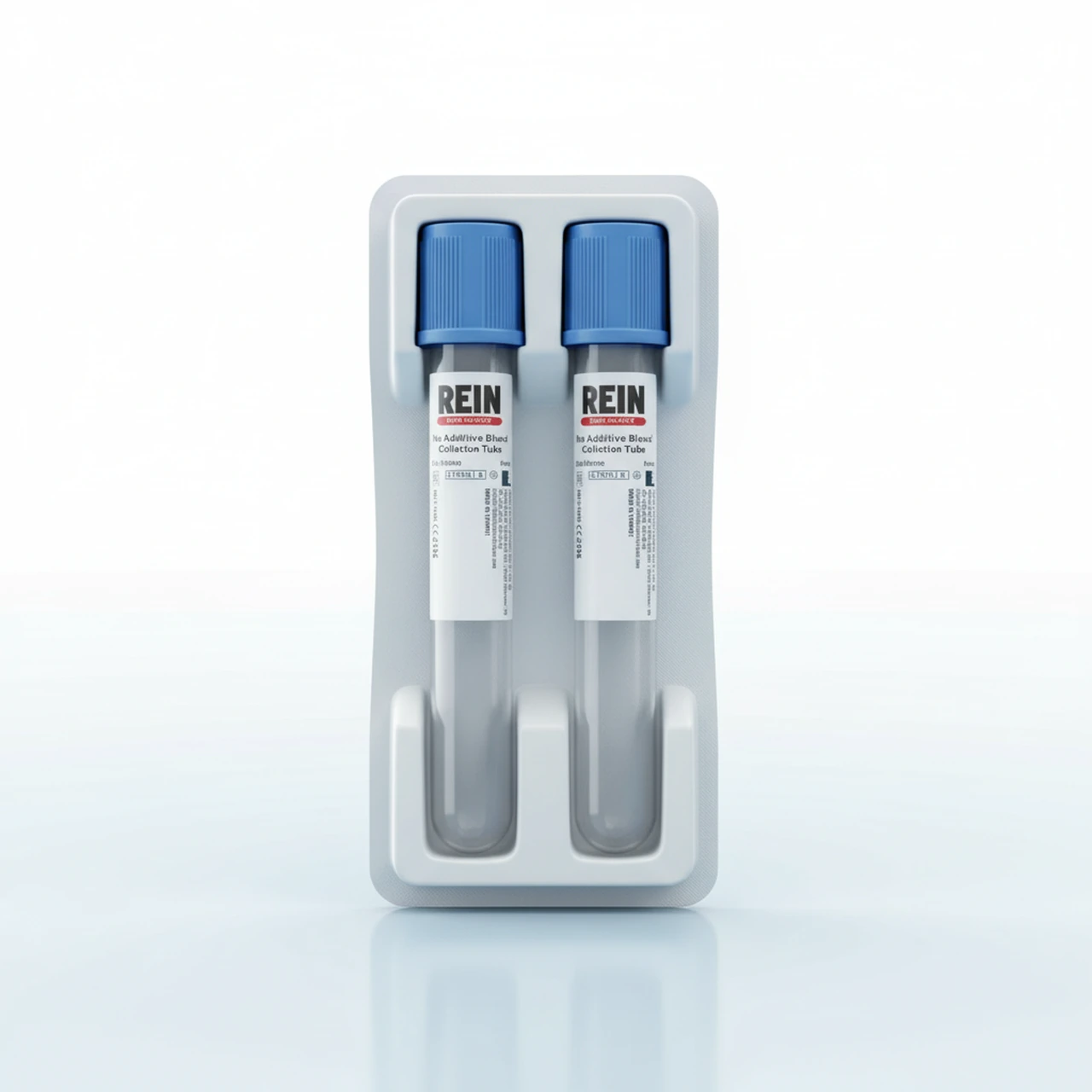
In regenerative medicine, the quality of the fibrin matrix dictates clinical outcomes. Rein PRF Tubes use advanced micro-polished interior wall technology to reduce premature platelet aggregation, helping clinicians extract high-yield i-PRF and A-PRF with consistent handling characteristics. By eliminating anticoagulants, silica, and separation gels, the preparation remains 100% autologous and supports sustained growth-factor release over 7 to 14 days.
What are PRF tubes?
Platelet-Rich Fibrin is a second-generation platelet concentrate prepared without chemical manipulation. Blood is drawn into a dedicated additive-free PRF tube and centrifuged immediately, producing a fibrin scaffold rich in platelets, leukocytes, and signalling proteins.
Why the fibrin matrix matters
Without anticoagulants, native thrombin converts fibrinogen into fibrin during processing. This native polymerisation forms a three-dimensional matrix that traps platelets and cytokines, protecting them from rapid breakdown and prolonging biological activity after injection or placement.
Sustained release vs burst release
Traditional PRP tends to release most growth factors within hours. PRF degrades more gradually, releasing PDGF, VEGF, TGF-beta and related cytokines over 7 to 14 days, better mirroring the body’s natural wound-healing cascade.
Why additive-free is non-negotiable
Silica-coated and anticoagulant-containing lab tubes are not designed for injectable regenerative procedures. Rein PRF tubes are designed specifically for pure autologous preparation and predictable PRF handling in clinical protocols.
Why additive-free matters
Standard blood collection tubes often contain EDTA, sodium citrate, silica, or gel separators designed for laboratory diagnostics rather than injectable regenerative medicine. Rein PRF tubes provide a pure, additive-free environment to support biocompatible preparation and reduce foreign-material risk.