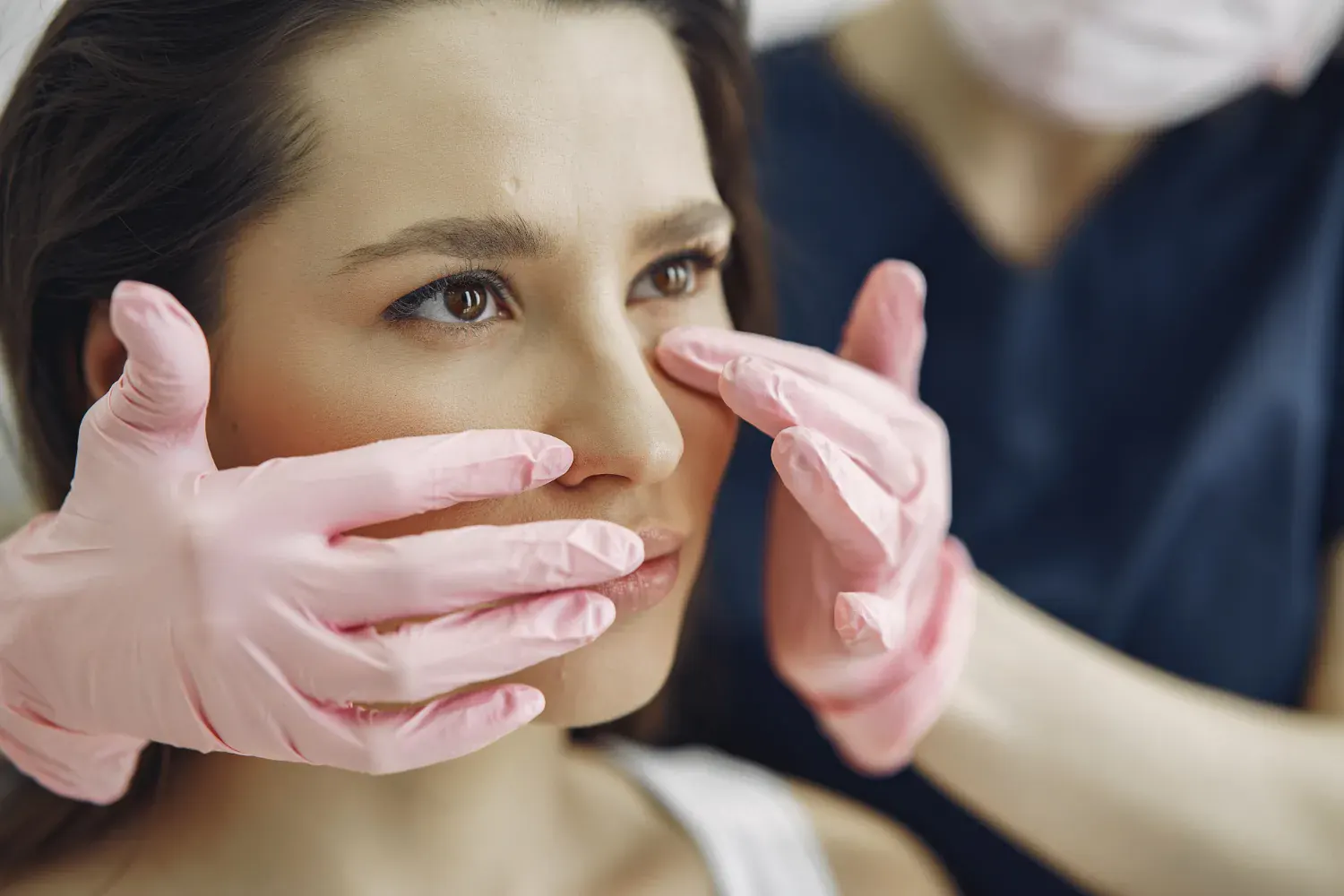



PRP therapy has an excellent safety profile, particularly in the periorbital region, because it is a fully autologous treatment — using only your own biological material. This eliminates the risk of allergic reaction, foreign body granuloma, and the Tyndall effect that can occur with synthetic fillers placed around the eyes.
A 2025 PRISMA systematic review of 14 studies comparing PRP and PRF for periorbital rejuvenation confirmed that both treatments demonstrated favourable safety profiles with only mild, transient adverse effects and high patient satisfaction (Sollitto et al., PMID: 41190633). The most comprehensive 2024 review of PRP for skin rejuvenation further corroborated the treatment's safety across multiple applications (Lam et al., PMID: 38650371).
Periorbital-specific considerations: The under-eye area has thinner skin, more superficial vasculature, and proximity to the orbital septum. Our doctors use blunt-tipped cannulae where appropriate to reduce bruising risk, inject at carefully controlled depths, and follow strict aseptic technique. All patients receive a thorough pre-treatment assessment including review of medications (particularly anticoagulants and supplements that increase bruising risk).
Common post-treatment effects are mild and transient: swelling (24–72 hours), possible bruising (5–7 days), and minor redness (24–48 hours). These resolve without intervention and can be managed with cool compresses and elevated sleeping position.