Hair Loss Clinic London: Hair Loss & Thinning Hair
What Is Hair Loss? The hair growth cycle: Anagen (growth), Catagen (transition), and Telogen (resting/shedding) Hair loss—medically termed alopecia—refers to the partial or complete loss of hair from areas where it normally grows. While losing 50-100 hairs per day is completely normal as part of the hair growth cycle, hair loss becomes a concern when shedding exceeds regrowth, or when follicles stop producing new hair altogether. Hair loss affects an estimated 6.5 million men and 8 million women in the UK, making it one of the most common aesthetic concerns we treat.
Content Author & Reviewer
PRP London Clinic Medical Team
GMC-Registered Medical Professionals
Our team of GMC-registered medical professionals collaboratively review all medical content to ensure clinical accuracy and provide evidence-based information for patient education.




Last reviewed: July 26, 2026
What Is Hair Loss?

What Causes Hair Loss?
- Genetics (Androgenetic Alopecia) — The most common cause, affecting both men and women. DHT (dihydrotestosterone) miniaturises hair follicles over time.
- Hormonal Changes — Pregnancy, childbirth, menopause, PCOS, and thyroid disorders can all trigger or accelerate hair loss.
- Stress & Trauma — Physical or emotional stress can push follicles into the resting phase (telogen effluvium), causing diffuse shedding 2-3 months later.
- Nutritional Deficiencies — Iron, ferritin, vitamin D, B12, and protein deficiencies are commonly linked to hair thinning.
- Medical Conditions — Autoimmune disorders (alopecia areata), scalp infections, and chronic illnesses can cause hair loss.
- Medications — Certain drugs including blood thinners, antidepressants, and hormonal treatments can trigger shedding.
- Styling Damage — Tight hairstyles (traction alopecia), chemical treatments, and heat styling can damage follicles over time.
Can Hair Loss Be Reversed?
- Reversible: Telogen effluvium, nutritional deficiencies, and some medication-induced hair loss often resolve once the underlying cause is addressed.
- Treatable: Androgenetic alopecia (male and female pattern) can be significantly improved with regenerative treatments like PRP and Exosomes—especially when caught early.
- Manageable: Alopecia areata is unpredictable but often responds to treatment. Traction alopecia can be halted and sometimes reversed if styling habits change.
- Limited: Long-standing baldness where follicles have scarred or died cannot be regenerated—this is why early intervention matters.
Our "No Follicle, No Benefit" Rule: Regenerative treatments like PRP and Exosomes work by stimulating existing (even dormant) follicles. If follicles have completely scarred or died, these treatments cannot create new ones. This is why we use digital trichoscopy to assess follicle viability before recommending treatment.
Our Diagnostic-First Approach
- Digital Trichoscopy — Microscopic scalp analysis to assess follicle density, miniaturisation, and viability
- Pattern Assessment — Classification using the Norwood-Hamilton Scale (men) or Ludwig Scale (women)
- Medical History Review — Identifying hormonal, nutritional, or medication-related factors
- Blood Tests — When indicated, to check iron, ferritin, thyroid function, and hormones
Who Experiences This Condition?
Common in
- •Men over 30 (50% experience some hair loss by age 50)
- •Women experiencing hormonal changes (pregnancy, menopause, PCOS)
- •Those with a family history of baldness on either side
- •People under chronic physical or emotional stress
- •Individuals with autoimmune conditions
- •Those with nutritional deficiencies (iron, B12, vitamin D)
- •People who use tight hairstyles or chemical treatments regularly
- •Patients on certain medications (blood thinners, antidepressants, hormonal drugs)
Factors Affecting Severity
- •Genetic predisposition and family pattern of baldness
- •How early treatment is started (earlier = better outcomes)
- •Type of hair loss (some types more treatable than others)
- •Underlying hormonal or medical conditions
- •Nutritional status and overall health
- •Stress levels and lifestyle factors
- •Whether follicles are still viable or have scarred
How to Choose a Hair Loss Clinic in London
A good hair loss clinic should identify the cause of shedding or thinning before recommending treatment. Look for a medical history review, scalp and follicle assessment with digital trichoscopy, blood tests when clinically indicated, clear candidacy and exclusion criteria, and honest expectations about what can and cannot improve. At our Cavendish Square clinic, GMC-registered doctors assess your pattern and explain the suitable options. If PRP is appropriate, you can read about our PRP hair treatment in London. For costs across our services, view our current treatment prices.
Types of Hair Loss We Treat
Understanding your specific type of hair loss is essential for effective treatment. Different types have different causes—and respond to different approaches.
Androgenetic Alopecia (Male Pattern Baldness)

The most common type, affecting over 50% of men by age 50. Caused by genetic sensitivity to DHT (dihydrotestosterone), which miniaturises hair follicles over time. Characterised by a receding hairline forming an M-shape and thinning at the crown. Progressive but highly treatable in early-to-mid stages.
Treatment approach: PRP for Hair Loss as primary treatment. For advanced or stubborn cases, Exosomes + PRP combination.
Androgenetic Alopecia (Female Pattern Hair Loss)
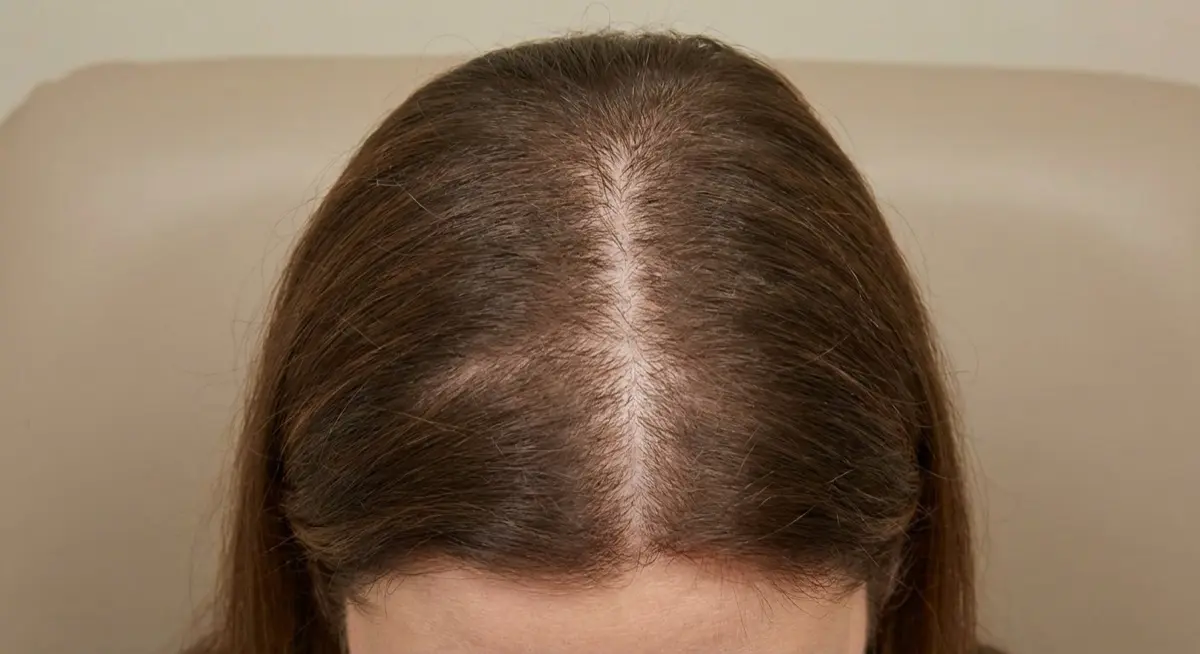
Affects around 40% of women by age 50. Unlike men, women typically experience diffuse thinning across the crown and top of the scalp, with the frontal hairline usually preserved. The part line widens progressively. Often linked to hormonal changes (menopause, PCOS).
Treatment approach: PRP or AnteAGE Biosomes to target the diffuse pattern.
Alopecia Areata
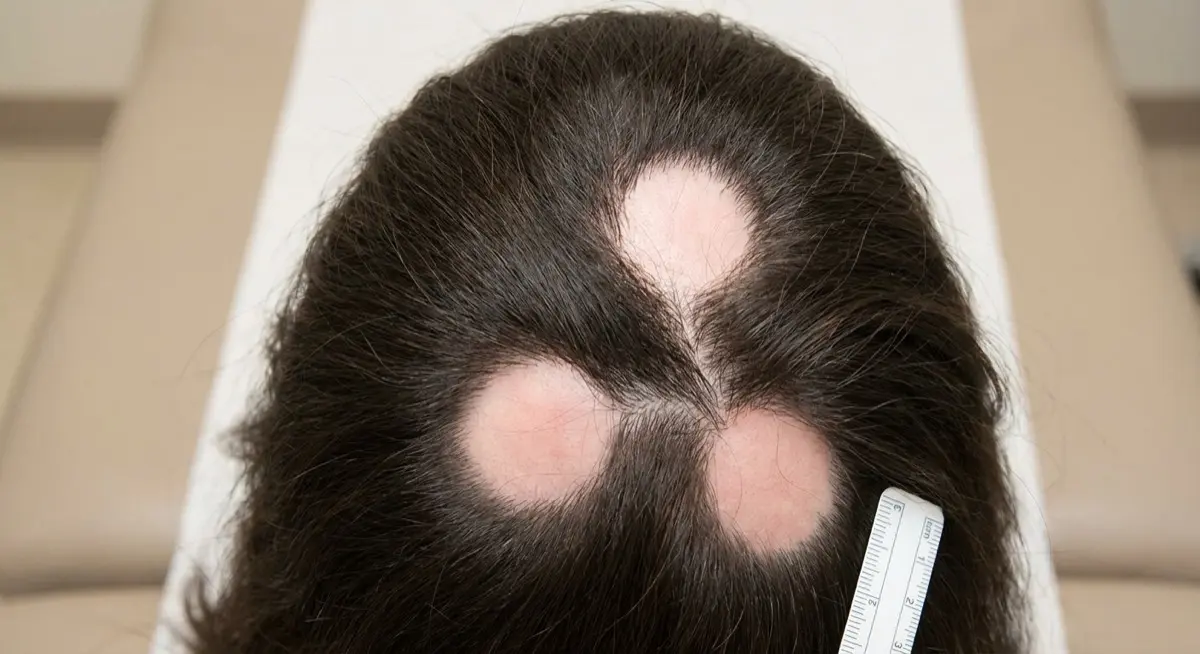
An autoimmune condition where the immune system attacks hair follicles, causing round, smooth bald patches. Can occur at any age. Unpredictable—hair may regrow spontaneously or patches may expand. In severe cases, can progress to total scalp hair loss (alopecia totalis) or body hair loss (alopecia universalis).
Treatment approach: PRP therapy may help stimulate regrowth. Often requires specialist dermatology input.
Telogen Effluvium
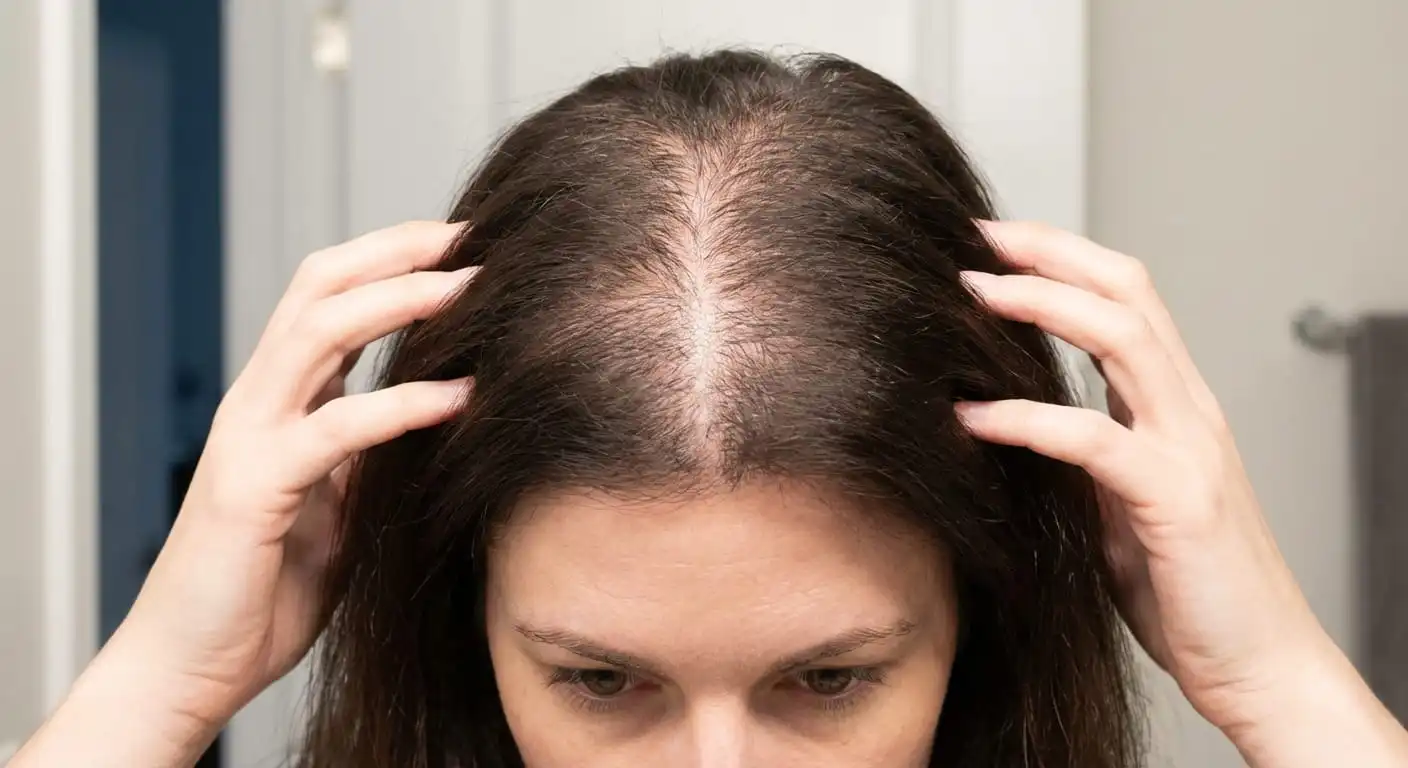
A temporary but often alarming condition where a significant percentage of hair follicles enter the resting (telogen) phase simultaneously, leading to diffuse shedding 2-3 months after a triggering event. Common triggers include childbirth, surgery, severe illness, crash dieting, and extreme stress. Usually self-limiting once the trigger is addressed.
Treatment approach: Identify and address the underlying cause. PRP can accelerate recovery and support the regrowth cycle.
Traction Alopecia
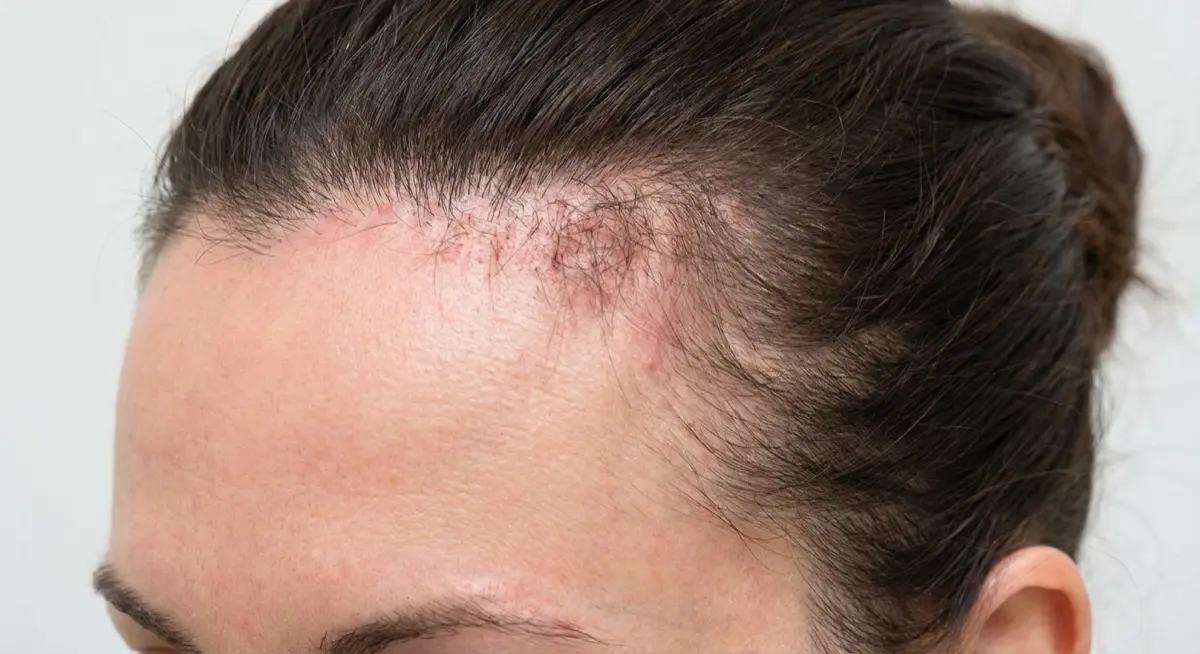
Hair loss caused by chronic tension on the hair follicles from tight hairstyles—braids, cornrows, weaves, tight ponytails, or hair extensions. Most commonly affects the hairline and temples. If caught early, it's reversible by changing styling habits. If the traction continues, follicles can scar permanently.
Treatment approach: Change styling habits immediately. PRP can help restore damaged follicles if they haven't scarred.
PCOS-Related Hair Loss
Polycystic Ovary Syndrome causes elevated androgens, leading to a pattern similar to female androgenetic alopecia but often with additional symptoms (acne, irregular periods, weight gain). Requires hormonal management alongside regenerative treatment.
Treatment approach: Address hormonal imbalance with medical support, then PRP therapy.
Postpartum Hair Loss
A form of telogen effluvium triggered by the hormonal shift after childbirth. Usually begins 2-4 months postpartum and resolves within 6-12 months. Can be distressing but is almost always temporary.
Treatment approach: Usually self-resolving. PRP can accelerate recovery if shedding is prolonged.
Not sure which treatment is right for your hair loss? Take our quick 3-question assessment.
The Norwood-Hamilton Scale: Grading Male Pattern Hair Loss
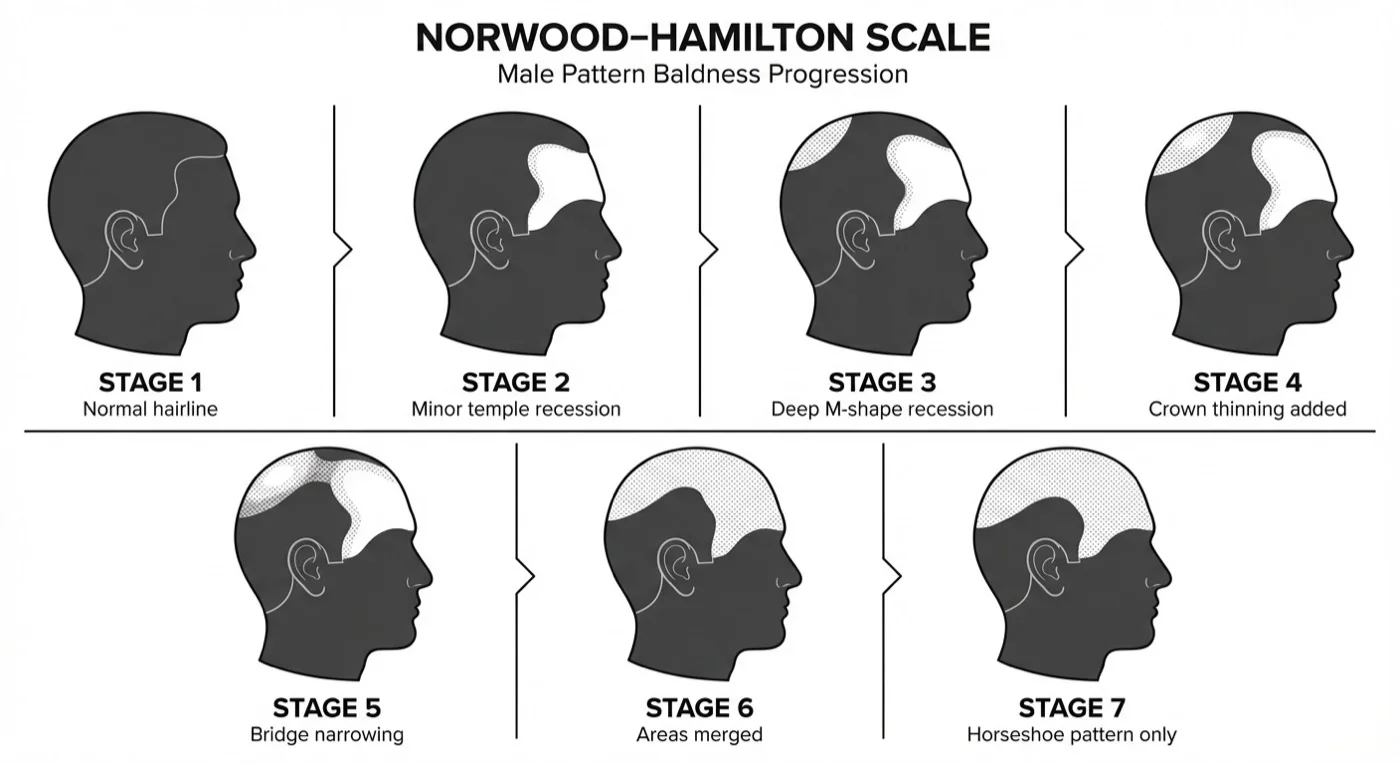
Which Stages Respond Best to Treatment?
| Norwood Stage | Treatment Potential | Expected Outcome |
|---|---|---|
| Stages 2-3 | Excellent | Best candidates. Significant improvement in density and slowing of progression. |
| Stages 4-5 | Good | Noticeable improvement possible. May need combination protocols. |
| Stages 6-7 | Limited | May improve remaining hair quality. Cannot regrow hair where follicles have died. |
During your consultation, we'll assess your Norwood stage using digital trichoscopy and provide honest guidance on what results are achievable for YOU.
The Ludwig Scale: Grading Female Pattern Hair Loss
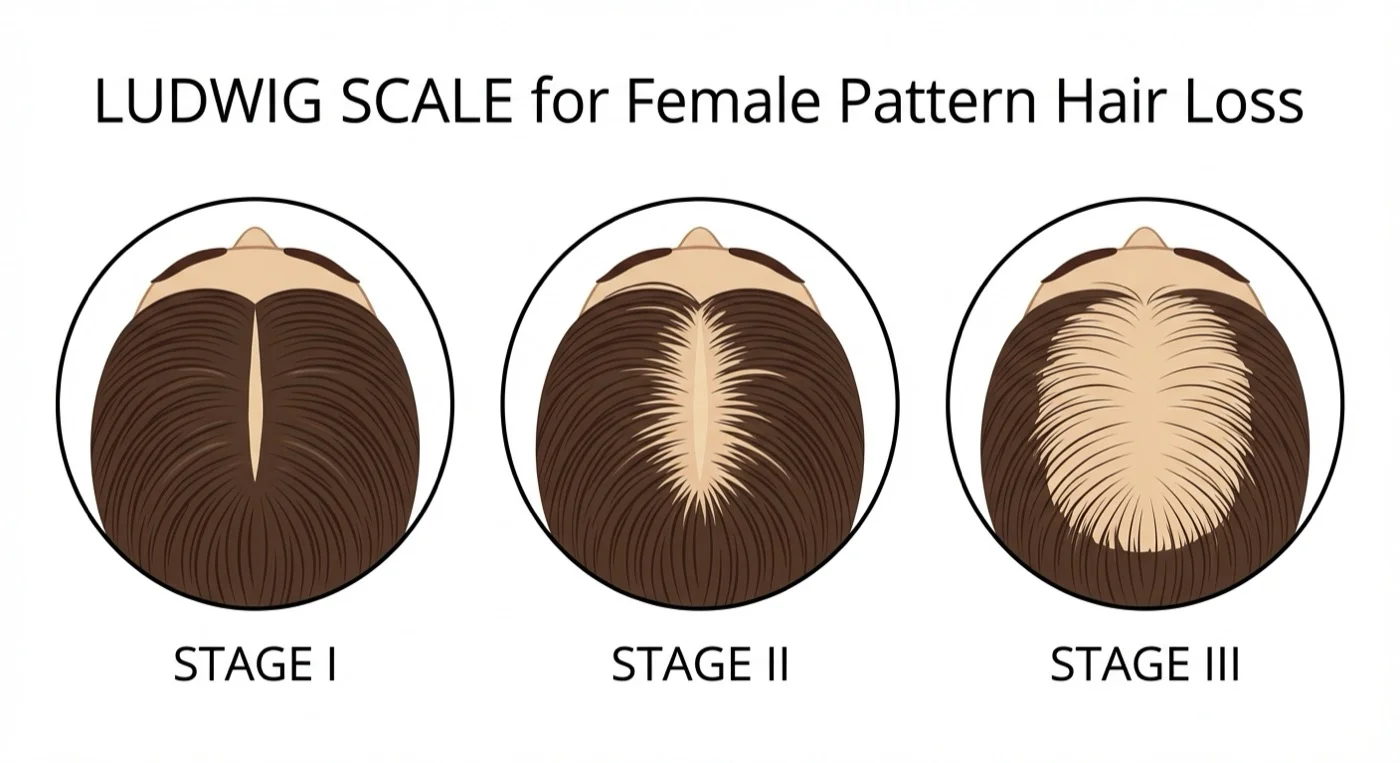
Treatment Response by Ludwig Stage
| Ludwig Stage | Treatment Potential | Recommended Approach |
|---|---|---|
| Stage I | Excellent | PRP or Biosomes |
| Stage II | Good | Exosomes + PRP combination |
| Stage III | Moderate | Combination protocols. Realistic expectations essential. |
Female pattern hair loss often responds well to regenerative treatments, especially when combined with addressing any underlying hormonal factors.
Why Won't My Hair Loss Stop? Understanding the Cycle
What Home Remedies CAN'T Do
There's a multi-billion pound industry selling hope to people with hair loss. The reality:
- Thickening shampoos — May temporarily coat the hair shaft but cannot stimulate follicles or stop DHT
- Biotin supplements — see Pumpkin seed oil, biotin and hair loss pills below
- Scalp serums — Most cannot penetrate to the follicle level where hair loss occurs
- Essential oils — see Does rosemary oil work for hair loss? below
- Laser combs/caps — see Laser caps and red light therapy below
Why Pattern Hair Loss Is Progressive
In androgenetic alopecia, the hormone DHT (dihydrotestosterone) binds to genetically sensitive follicles, causing them to miniaturise with each growth cycle. The hair becomes finer and shorter until eventually the follicle stops producing visible hair altogether. This process is ongoing—which is why hair loss continues without intervention.
The "Point of No Return"
A follicle that has been miniaturised but is still alive (even if producing only fine vellus hair) can potentially be revived with treatments like PRP or Exosomes. However, a follicle that has completely died and scarred over cannot be regenerated—this is why early intervention is so important.
What Actually Works
Evidence-based treatments for hair loss include:
- Regenerative therapies (PRP, Exosomes, Biosomes) — Deliver growth factors directly to follicles
- DHT blockers (Finasteride, Dutasteride) — Prescription medications that reduce DHT levels
- Minoxidil — Topical treatment that extends the growth phase and improves blood flow
- RF Microneedling (Sylfirm X) — Improves scalp circulation and delivery of growth factors
A combination approach—addressing the cause AND stimulating follicles—typically yields the best results.
Hair Loss Remedies: What the Evidence Actually Shows
Does rosemary oil work for hair loss?
Possibly a little, but the evidence is far thinner than social media suggests, and it does nothing about the actual cause of pattern hair loss. A single small trial is the entire basis for the claim you have seen.
That study, published in 2015, compared rosemary oil against 2% minoxidil in around a hundred people with androgenetic alopecia over six months. Both groups showed a comparable increase in hair count by the six-month mark, and the rosemary group reported less scalp itching. It is a real result in a peer-reviewed journal, which is why the claim will not go away.
Now the limits, which rarely survive the trip to a short video. It is one study, and it has never been replicated at the scale that would settle the question. Neither group improved much at three months, so whatever was happening was slow in both arms. And the comparison was against the 2% preparation, the weaker of the two common strengths, rather than the 5% most men are given. Performing comparably to a weak comparator is not the same as performing well.
It is worth being precise about that phrase "as effective as minoxidil", because it does a great deal of work online. In the trial it meant the two groups finished in a similar place after six months. It did not mean rosemary oil produced a large improvement. Studies of this kind count hairs in a small patch of scalp, where modest changes can look striking as a percentage while amounting to little you would notice in a mirror.
There is also a mechanistic problem. Androgenetic alopecia is driven by DHT binding to genetically sensitive follicles and miniaturising them with each cycle. Rosemary oil has no established effect on DHT or on that pathway. Whatever it does for scalp comfort or circulation, it does not act on the process causing the loss, so it cannot be expected to halt progression.
The verdict: if you enjoy using it, your scalp tolerates it, and it is properly diluted in a carrier oil, it is cheap and low risk. Dilution is not optional, as undiluted essential oils can cause irritation and contact dermatitis. What it is not is a treatment for genetic pattern hair loss. The real cost of relying on it is time, and time is the one thing this condition does not give back: a miniaturised follicle can often be revived, a scarred one cannot.
Pumpkin seed oil, biotin and hair loss pills
Mostly no. One of these has a single encouraging trial behind it, one helps only the small number of people who are genuinely deficient, and the rest of the shelf is selling hope by monthly subscription.
Pumpkin seed oil is the one with actual trial data. A 24-week randomised, placebo-controlled study in men with pattern hair loss found the supplement group gained meaningfully more hair count than the placebo group. On the face of it, that is a better evidence base than almost anything else in the supplement aisle.
Three caveats decide how much weight it can carry. First, it is a single study with no replication. Second, and most importantly, the capsule tested was a proprietary blend of several botanical ingredients rather than plain pumpkin seed oil, so the result cannot be cleanly attributed to pumpkin seed oil itself and is not evidence for the bottle on a health shop shelf. Third, there is no comparable evidence for rubbing it into the scalp, which is how it is most often sold.
It is also worth knowing what would change the picture. A second, independent trial using plain pumpkin seed oil rather than a blend, in both men and women, would move this from interesting to credible. Until that exists, the honest position is that one study on a multi-ingredient capsule is being used to sell a single-ingredient product.
None of that makes it worthless. It makes it unproven, which is a different thing, and worth knowing before committing to a monthly cost for a year. If you do try it, treat it as an addition to something with a stronger evidence base rather than a substitute for one.
Biotin is more straightforward. It helps if you are deficient, and deficiency is genuinely rare in anyone eating a normal diet. It has no effect on androgenetic alopecia. One practical warning: biotin at supplement doses interferes with several common blood tests, including thyroid function and troponin, so mention it to whoever is taking your blood.
Hair loss pills more broadly follow a familiar pattern: a plausible ingredient list, little or no trial data on the finished product, and a recurring charge. We look at the category properly in our guide to do hair growth tablets work.
Laser caps and red light therapy
There is a real effect, but it is modest and it depends on using the device several times a week, indefinitely. The more useful thing to understand is what "clinically proven" actually means on the box.
Laser caps, combs and helmets are cleared as medical devices. They are not approved as drugs. Those are different regulatory routes with very different evidence bars. Device clearance largely asks whether a product is safe and sufficiently similar to something already on the market. Drug approval requires proving in controlled trials that it does what it claims. Marketing copy leans on "cleared" precisely because most readers hear "approved".
That said, low-level laser therapy is not nothing. Studies do show a real if modest increase in hair count, which puts it ahead of most things you can buy for home use.
The catch is commitment. The benefit depends on sustained use and fades once you stop, so it is an ongoing habit rather than a course of treatment. The devices are not cheap either, and the cost across a few years is comparable to clinical treatment aimed at the underlying mechanism. As an adjunct alongside something that addresses DHT and follicle stimulation, a laser device is reasonable. As a standalone answer to progressive pattern hair loss, it is not.
Topical melatonin, microneedling and dermarollers
Topical melatonin has a plausible mechanism and a thin evidence base. At-home dermarolling is the only thing discussed on this page that can actively make your hair loss worse.
Topical melatonin has been examined in several small trials, some reporting improved hair density. The proposed mechanism is reasonable, involving melatonin's antioxidant activity and its influence on the hair cycle. But the studies are small, the evidence base is thin, and there is no established effect on DHT. Plausible and unproven is the honest summary.
At-home dermarollers are the ones to be careful with. Rollers sold online frequently carry needles longer than anyone should use unsupervised. At the wrong depth, without proper sterilisation, or over inflamed skin, they can cause infection and scarring. Scarring is the specific risk that matters here. A miniaturised follicle is often still recoverable; a follicle destroyed by scar tissue is not. That is the "No Follicle, No Benefit" principle set out earlier on this page, and a roller is a genuine way to cross that line yourself.
Clinical microneedling is a different procedure from a device bought online: controlled depth, sterile single-use tips, and a practitioner deciding whether your scalp should be treated at all. If that is what you are actually after, see Sylfirm X or our doctor-led PRP hair treatment rather than a roller.
Can you get thicker hair naturally?
You can make your hair look thicker. You cannot, by natural means alone, reverse genetic pattern hair loss, and conflating those two things is why so much advice online seems to work for a while and then stops.
The distinction that matters is between thicker-looking hair and more hair. The first is about the diameter of each shaft, how the hair sits, how much scalp shows through, and what volumising products do to texture. The second is about how many follicles you still have and whether they are producing terminal hair. Almost everything marketed as a natural thickening approach affects the first. Very little touches the second.
That is not to say nothing helps. Scalp massage has limited evidence behind it but is essentially risk-free, and if it forms part of a routine you will actually keep to, there is no argument against it. Nutrition matters in a specific and bounded way: if you have a genuine deficiency in iron, ferritin, vitamin D, B12 or protein, correcting it can make a real difference to shedding. Supplementing past the point of sufficiency adds nothing further, which is the part supplement marketing tends to leave out.
Appearance is worth taking seriously on its own terms, incidentally, because it is the thing most people actually want. A cut that suits the density you have, avoiding the heat and tension that snap hair mid-shaft, and products that add body rather than weight will all make hair read as fuller. None of that is a treatment, and it is not pretending to be one.
The bottom line is mechanistic. No natural approach blocks DHT. In androgenetic alopecia, DHT is what miniaturises the follicle, and if nothing interrupts that, the process continues regardless of how well you eat, how you massage your scalp, or which oil you use. You may well improve the appearance and condition of the hair you still have. You will not stop the underlying loss.
Which is why at some point the honest question stops being "what natural method works" and becomes "which of the treatments with real evidence should I consider". Our guides cover whether minoxidil shampoo works and does finasteride actually work, and either is a better use of your reading time than another list of home remedies.
What's actually in development
Beyond the established options there is an active pipeline of experimental drugs: the kind going through registered, regulator-supervised human trials, with published or company-reported data anyone can check.
- Clascoterone (Breezula) — A topical anti-androgen that blocks DHT at the scalp without the systemic hormonal exposure of finasteride. Two large Phase 3 trials involving nearly 1,500 men both met their primary endpoints, with a US and EU filing targeted for early 2027. If approved it would break a streak that has held since 1997, the last time regulators cleared a new mechanism for pattern hair loss.
- VDPHL01 — An extended-release oral minoxidil formulation, engineered to convert more consistently in the body regardless of a person's natural enzyme activity. It is in Phase 3 for both men and women and is non-hormonal, with early data showing solid hair count gains and a clean cardiac safety profile. Hypertrichosis (unwanted hair growth elsewhere) and mild swelling do occur in a meaningful minority.
- Pyrilutamide (KX-826) and GT20029 — Both block or degrade the androgen receptor locally in the scalp rather than suppressing hormones body-wide. In a 666-patient trial in China, pyrilutamide has already cleared its Phase 3 primary endpoint, with a regulatory filing expected there in 2026.
- PP405 — The most conceptually different candidate. Rather than targeting hormones at all, it is designed to reactivate dormant hair follicle stem cells. Early Phase 2a data showed regrowth in areas that had been bald, not just thickening of existing hair, which is a meaningfully different claim from most treatments. It is heading into Phase 3 in 2026.
None of these are approved. All of them could still fail in later trials, which is normal: most drugs that look promising in Phase 2 never reach market. You can check the current status of any of them yourself on ClinicalTrials.gov.
The peptide problem
Peptides such as GHK-Cu (a copper peptide) and BPC-157 have become fixtures of the hair loss corner of the internet, sold through compounding pharmacies, med spas and direct-to-consumer vendors, often marketed with language borrowed from legitimate clinical trials.
The evidence does not match the marketing. GHK-Cu has some interesting biology behind it, being involved in wound healing and capable of stimulating follicle activity, but the human data supporting its use for hair loss amounts to a handful of small, decades-old studies that were never replicated at scale. BPC-157 is thinner still: the case for hair growth rests almost entirely on animal studies and a single small case series, extrapolated from a peptide developed to study gut healing. It does not interact with the androgen pathway that drives pattern hair loss in any established way.
More concerning than the weak evidence is the regulatory position. BPC-157 was flagged by the FDA in 2023 as a compound carrying potential safety risks for compounding pharmacies, then had that flag lifted in 2026 without ever being approved, leaving it in a genuine grey zone. Buying a peptide like this online does not get you a product vetted for purity, dosing consistency or long-term safety the way an approved drug is.
A newer version of the problem has appeared around the pipeline drugs themselves. As soon as a compound attracts positive press, copycat vials claiming to contain it show up on grey-market sites, almost always stamped "not for human use" or "for research use only". That label is not a technicality. It is how a seller avoids drug-safety regulation entirely, and it means nothing in the vial has been through purity testing or manufacturing quality control.
Four questions to ask before you believe a claim
A few honest questions cut through most of the noise.
- Is it in a registered clinical trial? — You should be able to find it on a public registry such as ClinicalTrials.gov. If the only evidence offered is a testimonial and a before-and-after photo, that is not evidence.
- Who funded the study? — If the company selling the product is also funding the only study that supports it, treat the result with caution.
- Is it approved anywhere, for this use? — By any recognised regulator, for hair loss specifically. A good deal of what dermatologists prescribe is used off-label, which is not the same thing as unregulated, but it is worth knowing which of the two you are being offered.
- Does the mechanism make sense? — Does it connect to what actually drives pattern hair loss (DHT, follicle miniaturisation, the hair growth cycle), or is it a plausible-sounding story stitched onto a trendy ingredient?
Hair loss treatment is advancing. There are more drugs in serious, well-designed human trials now than at almost any point in the last three decades. But that progress is happening slowly, in registered trials under regulatory scrutiny, not in a peptide vial with a hashtag attached. If you are wondering what is funded in the UK, we cover what is and is not available on the NHS.
Hair Loss & London Living: Environmental Factors
Hard Water
London has some of the hardest water in the UK, with high concentrations of calcium and magnesium. While hard water doesn't directly cause hair loss, it can:
- Leave mineral deposits on the scalp, potentially clogging follicles
- Make hair feel dry, brittle, and more prone to breakage
- Reduce the effectiveness of shampoos and treatments
- Contribute to scalp irritation in some individuals
Consider: A shower filter can reduce mineral deposits; clarifying shampoos help remove buildup.
Urban Pollution
Airborne pollutants (PM2.5, PM10) from traffic and industry don't just affect your lungs—they affect your scalp. Research shows pollution particles can:
- Trigger oxidative stress that damages follicles
- Cause scalp inflammation
- Potentially accelerate hair thinning in genetically predisposed individuals
Central Heating & Air Conditioning
London's indoor environments—offices, flats, the Tube—tend to have dry, recirculated air. This can:
- Dry out the scalp, leading to irritation
- Make hair more brittle and prone to breakage
- Exacerbate existing scalp conditions
The Underground
The Tube combines heat, poor air quality, crowds, and stress—not ideal for hair health. The daily commute adds chronic low-level stress that, over time, may contribute to telogen effluvium in susceptible individuals.
City Lifestyle Factors
High-stress careers, irregular schedules, poor diet due to convenience eating, and limited sleep—common in London's fast-paced environment—all contribute to hair health. Stress remains one of the most underestimated factors in hair loss.
These environmental factors make professional treatment even more valuable for Londoners—homecare alone often can't overcome the cumulative burden on your hair and scalp.
Hair Loss Treatment Guide: Options by Type & Stage
| Condition / Stage | Recommended Treatments | Why It Works |
|---|---|---|
| Male Pattern Norwood 2-4 | PRP for Hair Loss | 93-97% platelet recovery stimulates dormant follicles |
| Female Pattern Ludwig I-II | PRP or Biosomes | Growth factors target diffuse thinning pattern |
| Advanced / Stubborn Norwood 4-5, Ludwig II-III | Exosomes + PRP | Dual regenerative mechanism for maximum stimulation |
| Scalp Inflammation Poor circulation | Sylfirm X + PRP | RF improves vascularity, reduces inflammation, enhances PRP delivery |
| Telogen Effluvium Post-stress shedding | PRP or Biosomes | Accelerates recovery, supports regrowth cycle |
| PCOS / Hormonal | PRP + Hormonal management | Address root cause + regenerative support |
| Maximum Results Multi-modal approach | Exosomes + PRP or Biosomes + PRP | Combination protocols for synergistic regeneration |
Educational Information Only: This guide is for informational purposes only and does not constitute medical advice. Treatment recommendations are made only after a face-to-face consultation and examination by a GMC-registered doctor, taking into account your medical history, hair loss type and stage, and individual goals.
Why Choose PRP London Clinic for Hair Loss
At PRP London Clinic, we take a fundamentally different approach to hair loss treatment:
Diagnostic-First Philosophy We don't sell treatments—we diagnose patients. Every consultation begins with digital trichoscopy to assess follicle density and viability. We follow a strict "No Follicle, No Benefit" policy—we only recommend treatment when there's genuine potential for improvement.
Endocrinology-Informed Protocols Our clinical protocols are led by Dr Mohamed Nafei (GMC: 7520509), whose background includes a PgDip in Endocrinology. This expertise is crucial for hair loss—hormonal factors drive most cases, and understanding DHT, thyroid function, and female hormones directly impacts treatment success.
The Rein PRP™ Advantage We use the Rein PRP System—a CE Class IIB, ISO 13485:2016 certified device achieving 93-97% platelet recovery rates. This means a higher concentration of growth factors delivered to your follicles compared to standard aesthetic PRP systems.
Multiple Treatment Modalities We offer the full spectrum of regenerative hair treatments—PRP, Exosomes, Biosomes, Sylfirm X, and combination protocols—allowing us to tailor the approach to YOUR specific needs rather than offering a single solution.
Honest Expectations We provide realistic assessments. If your hair loss is too advanced for regenerative treatment, we'll tell you honestly. We won't promise what we can't deliver—and we won't take your money for treatments that won't work for you.
GMC-Registered Medical Team All treatments are performed by GMC-registered doctors with specialist training in regenerative medicine. Hair loss treatment is a medical procedure—it should be performed by medical professionals.
Treatment Process
Our hair loss treatment protocol is tailored to your specific diagnosis:
Foundation: Identify & Address Root Causes Before any procedure, we identify contributing factors—nutritional deficiencies, hormonal imbalances, or lifestyle factors—that need to be addressed alongside treatment.
Regenerative Treatments by Hair Loss Type:
- Male Pattern (Norwood 2-4): PRP for Hair Loss as primary treatment. For stubborn cases, Exosomes + PRP Combination.
- Female Pattern (Ludwig I-II): PRP or AnteAGE Biosomes to target diffuse thinning at the crown.
- Telogen Effluvium: Address underlying cause first, then PRP to accelerate recovery and support the regrowth cycle.
- Scalp Inflammation/Poor Circulation: Sylfirm X to improve vascularity, reduce inflammation, then layer with PRP.
- PCOS/Hormonal: Hormonal management alongside PRP therapy for regenerative support.
- Maximum Results: Exosomes + PRP or Biosomes + PRP combination protocols.
For suitable patients considering an additive-free platelet treatment, we also offer a platelet-rich fibrin treatment for hair loss, using a natural fibrin matrix for sustained growth-factor release.
Maintenance Protocol Hair loss is often progressive. We recommend maintenance sessions (typically every 6-12 months) to sustain results, along with appropriate homecare and lifestyle modifications.
Diagnosis & Assessment
Hair loss diagnosis begins with understanding your specific pattern and cause. Our specialists use digital trichoscopy—a microscopic scalp imaging technique—to assess follicle density, miniaturisation, and viability. We classify male pattern baldness using the Norwood-Hamilton Scale (stages 1-7) and female pattern hair loss using the Ludwig Scale (stages I-III). A detailed medical history helps identify hormonal, nutritional, or medication-related factors. When indicated, we recommend blood tests to check iron, ferritin, thyroid function, vitamin D, and hormones. This thorough assessment ensures we recommend treatments that will actually work for YOUR type of hair loss—not a generic approach that wastes time and money.
Prevention & Management
Lifestyle Tips
- •Address nutritional deficiencies — ensure adequate iron, protein, and vitamins
- •Manage stress — chronic stress triggers telogen effluvium
- •Avoid tight hairstyles — traction damages the hairline over time
- •Treat underlying conditions — thyroid, PCOS, and autoimmune disorders
- •Seek treatment early — the sooner you start, the more follicles can be saved
Home Care
- •Use gentle, sulphate-free shampoos
- •Consider minoxidil if recommended by your doctor
- •Scalp massage may improve circulation (evidence limited but low risk)
- •Protect scalp from sun damage
- •Avoid excessive heat styling and chemical treatments
Symptoms & Causes
Common Symptoms
- Gradual thinning on top of head (most common pattern)
- Receding hairline forming an M-shape (male pattern)
- Widening part line (female pattern)
- Circular or patchy bald spots (alopecia areata)
- Sudden loosening of hair when washing or brushing
- Diffuse shedding across the entire scalp
- Visible scalp through hair
- Thinning at the temples or crown
- Hair loss at the hairline from tight styles
- Increased hair in brush, drain, or on pillow
Potential Causes
- Genetic factors (Androgenetic Alopecia) — DHT miniaturises follicles
- Hormonal changes — pregnancy, menopause, PCOS, thyroid disorders
- Stress and trauma — triggers telogen effluvium 2-3 months later
- Nutritional deficiencies — iron, ferritin, vitamin D, B12, protein
- Autoimmune conditions — alopecia areata attacks follicles
- Medications — blood thinners, antidepressants, chemotherapy
- Traction and styling damage — tight braids, weaves, ponytails
- Scalp conditions — seborrhoeic dermatitis, psoriasis, infections
- Rapid weight loss — nutritional stress triggers shedding
- Ageing — natural decline in hair density and quality
Treatment Options at PRP London
PRP for Hair Loss
Our flagship treatment using the Rein PRP™ system with 93-97% platelet recovery to stimulate dormant follicles and promote natural regrowth.
View PRP for Hair LossExosomes for Hair Loss
Advanced cellular therapy delivering potent regenerative signals directly to hair follicles for enhanced regeneration.
View Exosomes for Hair LossExosomes + PRP Combination
Synergistic protocol combining exosomes and PRP for maximum follicle stimulation and regrowth potential.
View Exosomes + PRP CombinationAnteAGE Biosomes for Hair
Stem cell-derived growth factors that rejuvenate follicles and improve scalp health at a cellular level.
View AnteAGE Biosomes for HairAnteAGE Biosomes + PRP
Combined Biosomes and PRP therapy for comprehensive hair restoration using dual regenerative mechanisms.
View AnteAGE Biosomes + PRPSylfirm X for Scalp
RF microneedling to improve scalp circulation, reduce inflammation, and enhance delivery of growth factors.
View Sylfirm X for ScalpFrequently Asked Questions
Hair loss has many potential causes. The most common is androgenetic alopecia (male and female pattern baldness), caused by genetic sensitivity to the hormone DHT. Other causes include hormonal changes (pregnancy, menopause, PCOS, thyroid disorders), stress (triggering telogen effluvium), nutritional deficiencies (iron, vitamin D, B12), autoimmune conditions (alopecia areata), medications, and styling damage (traction alopecia). Often, multiple factors contribute simultaneously.
It depends on the type and stage. Telogen effluvium is usually reversible once the triggering factor is addressed. Androgenetic alopecia can be significantly improved with treatments like PRP and Exosomes, especially when caught early—but follicles that have completely died cannot be regenerated. Traction alopecia is reversible if styling habits change before permanent scarring occurs. Early intervention gives the best results.
The first step is identifying the cause through proper diagnosis. For pattern baldness, evidence-based treatments include regenerative therapies (PRP, Exosomes), DHT-blocking medications (finasteride, dutasteride), and minoxidil. For telogen effluvium, addressing the underlying trigger (stress, illness, nutritional deficiency) is key. For hormonal hair loss (PCOS, thyroid), treating the underlying condition is essential. A combination approach typically works best.
The Norwood-Hamilton Scale is the standard classification system for male pattern baldness, ranging from Stage 1 (minimal recession) to Stage 7 (extensive baldness with only a band of hair remaining). It helps doctors assess the severity of hair loss and determine treatment suitability. Stages 2-4 generally respond best to regenerative treatments; stages 6-7 have limited treatment options as many follicles have permanently died.
Telogen effluvium is a temporary form of diffuse hair shedding that occurs when a significant number of hair follicles are pushed into the resting (telogen) phase simultaneously. It typically appears 2-3 months after a triggering event such as childbirth, surgery, severe illness, crash dieting, or extreme stress. While alarming (you may lose clumps of hair), it's usually self-limiting and hair regrows once the trigger is addressed. PRP therapy can accelerate recovery.
Yes, female pattern hair loss often responds well to treatment, especially in earlier stages (Ludwig I-II). PRP therapy and Biosomes can stimulate follicles and improve density. It's important to also address any underlying hormonal factors (menopause, PCOS, thyroid) that may be contributing. The key is starting treatment while follicles are still viable.
PCOS-related hair loss requires a two-pronged approach: 1) Address the hormonal imbalance through medical management (your GP or endocrinologist can help with this), and 2) Stimulate follicle regeneration with treatments like PRP. Without addressing the underlying hormonal driver, regenerative treatments alone may have limited lasting effect.
Yes, postpartum hair loss is almost always temporary. It's a form of telogen effluvium triggered by the hormonal shift after childbirth. It typically begins 2-4 months after delivery and resolves within 6-12 months as hormones stabilise and the hair growth cycle normalises. If you're breastfeeding, it may persist slightly longer. PRP can help accelerate recovery if shedding is prolonged or distressing.
London's hard water doesn't directly cause hair loss, but it can contribute to scalp and hair problems. High mineral content (calcium, magnesium) can leave deposits on the scalp, potentially affecting follicle health, and make hair feel dry, brittle, and more prone to breakage. If you've noticed changes since moving to London, consider a shower filter and clarifying shampoos to reduce mineral buildup.
A typical initial course involves 3 sessions spaced 4-6 weeks apart, followed by maintenance sessions every 6-12 months. The exact number depends on your type and stage of hair loss, how you respond to treatment, and your goals. During your consultation, we'll recommend a personalised protocol based on your specific situation.
Most patients experience only mild discomfort. PRP injections involve small needles, and we use techniques to minimise pain. Topical anaesthetic can be applied if needed, though most patients find it tolerable without. You may feel some scalp tenderness for a day or two after treatment, but this typically resolves quickly.
Hair grows slowly, so patience is required. Most patients notice reduced shedding within 1-2 months. New growth and increased density typically become visible at 3-6 months, with optimal results at 9-12 months. This timeline aligns with the natural hair growth cycle—treatments work by stimulating follicles, which then need time to produce new hair.
Yes—in fact, combination protocols often yield the best results. We frequently combine PRP with Exosomes or Biosomes for synergistic effects. Sylfirm X can be used to prepare the scalp and enhance treatment delivery. We may also recommend combining regenerative treatments with medical therapy (minoxidil, finasteride) where appropriate.
Not Sure Which Hair Loss Treatment is Right for You?
Our 3-question self-assessment helps match your hair loss pattern and goals to the ideal treatment pathway. Results are educational only—your consultation will confirm the best approach.
Verified Clinical Reputation
Ruby K
19 Jan 2026
Norin Hanifi
19 Jan 2026
Dominique Heslop
13 Jan 2026
lloyda221
06 Jan 2026
Mane Authority
06 Jan 2026
Victor Contreras Guerra
4 months ago
A A
5 months ago
harris jan
3 months ago
Independent Patient Feedback
Verify on Google Reviews →Clinical Note: To protect patient confidentiality while maintaining educational clarity, some anatomical illustrations on this site utilise medically-verified, AI-generated models. Every anatomical demonstration is reviewed for clinical accuracy by our GMC-registered medical board.